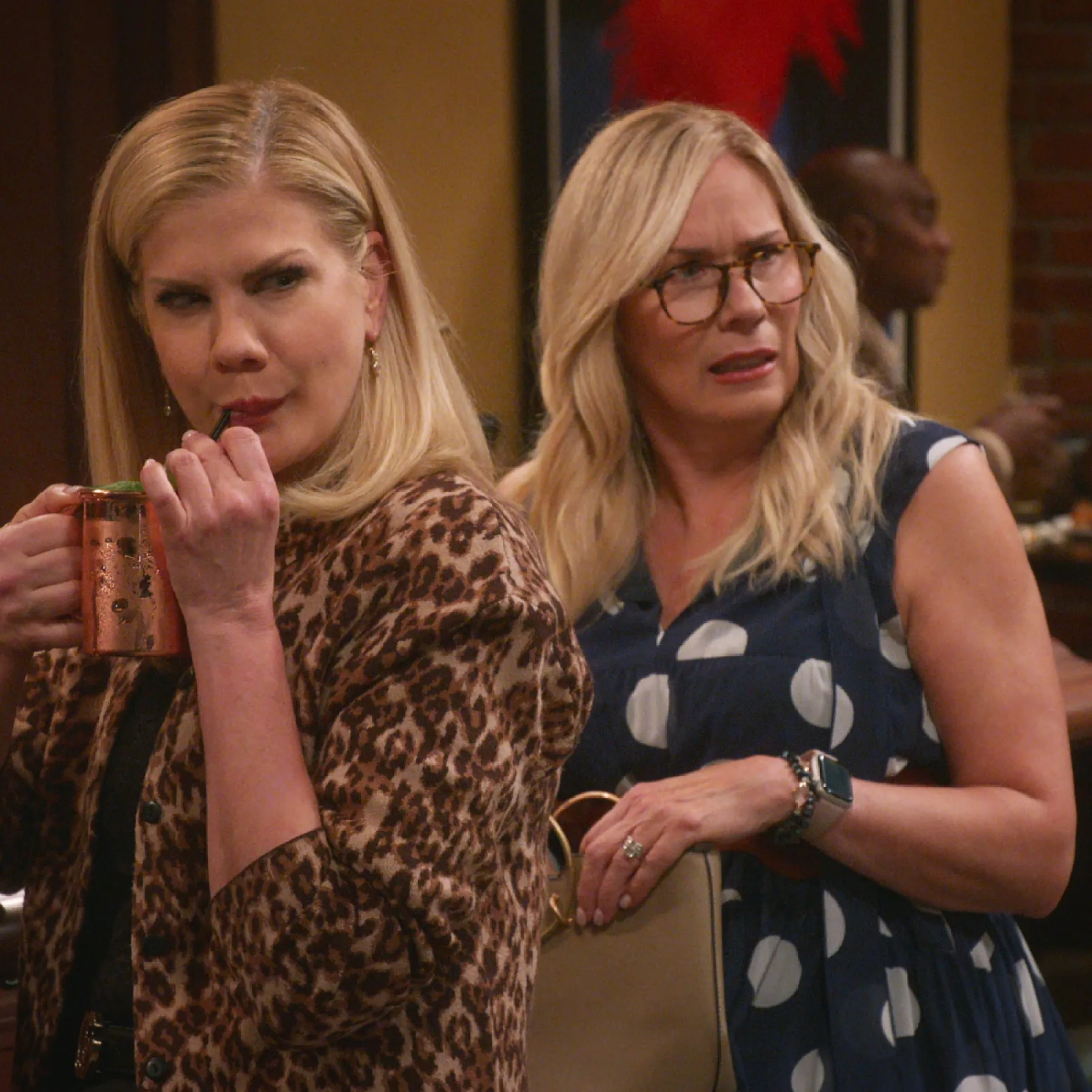
DECONSTRUCTING THE ‘LEANNE SEASON 3’ RENEWAL HOAX AND STREAMING METRICS
BEYOND THE RATINGS SPECULATION: DECONSTRUCTING THE ‘LEANNE SEASON 3’ RENEWAL HOAX AND STREAMING METRICS
Deconstructing the Sensationalist Teaser
A hyper-dramatic entertainment teaser recently began circulating across television fan forums, social media feeds, and automated video portals, proclaiming with alarmist sirens: “🚨 LEANNE SEASON 3: NETFLIX IS STAYING SILENT — BUT THE RELEASE TIMELINE MAY NOT BE WHAT FANS EXPECT!” Filled with breathless corporate intrigue, the viral post asserted that “after Season 2 missed Netflix’s Global Top 10, the future of the hit sitcom suddenly looks uncertain.” To heighten anxiety among dedicated viewers, the caption hinted that while “strong US and Canada numbers, lower production costs, and growing recognition have kept hopes alive,” a single “major update could determine exactly when — or if — Season 3 finally arrives… 👀”
Designed with speculative tension, the teaser crafts a classic digital narrative of corporate silence and hidden industry drama. By invoking Netflix’s public silence, opening-weekend global viewership metrics, and vague promises of an impending “major update,” the caption exploits fan anxiety over show cancellations. However, despite its authoritative tone and seemingly analytical references to global ratings, the viral post represents an aggressive form of engagement farming. It misuses the complex metrics of streaming renewals to manufacture artificial panic, baiting scrollers into clicking monetized link-traps for pay-per-click advertising revenue.
The Verified Reality of Leanne Season 2 Metrics
To recognize the deceptive nature of the “Season 3 silence” narrative, one must contrast its clickbait framing with the actual viewership data, production economics, and renewal protocols surrounding Leanne.
Co-created by veteran sitcom producer Chuck Lorre, Susan McMartin, and stand-up comedian Leanne Morgan, Leanne returned for its second season on Netflix in late August 2026. The multi-camera comedy—which follows a woman rebuilding her life in her fifties after her husband of thirty-three years leaves her—became an unexpected hit in its debut season, earning solid Rotten Tomatoes audience scores and two Emmy nominations. The reality of Season 2’s current standing is far more nuanced than tabloid headlines suggest:
-
The Global Top 10 Misconception: In its opening four days following its August 27, 2026 release, Leanne Season 2 did indeed fail to place on Netflix’s official Global Top 10 English TV chart, pulling in under the 2.2 million views registered by the tenth-place program. However, missing the global top ten during a crowded late-summer release window is common for regional comedies and does not automatically signal cancellation.
-
Strong Domestic and Regional Retention: While international viewership was soft, daily regional tracking confirmed that Leanne held solid Top 5 positions in its core domestic markets, including the United States and Canada. For domestic-focused multi-camera comedies, strong North American retention carries significant weight in renewal evaluations.
-
Low Production Overhead and Network Economics: Unlike high-budget, VFX-heavy fantasy dramas like The Sandman or Wednesday, traditional multi-cam sitcoms filmed on soundstages—such as Leanne—carry relatively low production costs. Shows with lower budgets do not require massive global viewership thresholds to achieve profitability and secure renewals, a model recently demonstrated by Netflix’s renewal of other low-cost comedies despite modest global debuts.
-
Standard Evaluation Windows: Streaming platforms typically analyze a twenty-eight-day viewership curve, completion rates, and subscriber retention metrics before announcing renewal decisions. The absence of an immediate announcement within days of a season launch is standard corporate procedure, not evidence of “panicked executive silence.”
The Mechanics of the ‘Pending Renewal’ Curiosity Trap
The creation and automated spread of the “Leanne Season 3” post rely on calculated psychological mechanisms designed to manipulate viewer anxiety and bypass critical evaluation.
Digital content mills deploy specific structural strategies when targeting fans of television shows awaiting renewal:
1. Converting Routine Evaluation Windows into Corporate Crisis
Sensationalizing the standard four-to-six-week evaluation window by framing it as “Netflix staying silent” generates immediate emotional urgency. Implying that corporate silence masks a looming cancellation compels anxious fans to search for updates.
2. Misinterpreting Complex Data for Outrage
Content farms weaponize partial data—such as opening weekend Global Top 10 rankings—while ignoring key contextual factors like domestic retention, production budgets, and Emmy recognition. Presenting selective data makes the speculative panic sound analytical and authoritative.
3. The Truncated Curiosity Loop (“arrives… 👀”)
Terminating the post with vague promises of a “major update” directly above pointing emojis or links creates an artificial information void. Readers eager for confirmation feel compelled to click the link to discover the rumored update.
The Monetization Pipeline: Traffic Arbitrage and Engagement Farming
Behind these dramatic entertainment captions lies a profitable digital business model known as traffic arbitrage and engagement farming.
When scrollers click the link or emoji prompt attached to these posts, they are almost never directed to official Netflix press portals like Netflix Tudum or accredited trade publications. Instead, the user journey follows a predictable, predatory funnel:
-
Redirects to Ad-Dense Scraper Blogs: Users are routed through URL shorteners to low-quality scraper websites or automated video channels wrapped in dozens of pay-per-click display banner ads.
-
Generic AI-Generated Text Loops: The destination page rarely provides real news or official statements. Instead, it features generic, AI-generated summaries repeating basic plot information from Seasons 1 and 2, surrounding the visitor with ad units to maximize impression counts.
-
Subscription Traps and Malicious Prompts: In more severe cases, these links prompt users to enable push notifications, complete deceptive survey offers, or sign up for unverified third-party streaming services under the pretense of unlocking exclusive renewal leaks.
Preserving Media Literacy in Streaming Entertainment Coverage
While speculative headlines about TV renewals might seem like harmless fandom chatter, content farms manufacturing fake cancellation scares inflict tangible harm on entertainment journalism and consumer trust:
-
Pollution of Search Indexes: Automated clickbait clutter makes it increasingly difficult for television viewers to locate accurate, fact-checked reporting regarding show renewals and premiere schedules.
-
Distortion of Television Analytics: Misrepresenting complex industry metrics—such as conflating global top ten rankings with total show viability—distorts public understanding of how television production and streaming economics actually function.
To navigate entertainment news responsibly, audiences should adopt key digital literacy habits:
-
Verify Through Accredited Trade Outlets: Rely on established industry publications such as Deadline, The Hollywood Reporter, Variety, or trusted analytical outlets like What’s on Netflix for confirmed renewal data.
-
Identify Formulaic Red Flags: Be skeptical of social media headlines featuring ALL-CAPS hyperbole (“STAYING SILENT,” “UNEXPECTED TIMELINE”), emoji clusters (“🚨”, “👀”), or cliffhangers that withhold basic facts.
-
Refrain from Engaging with Fake Posts: Avoid commenting on or sharing unverified posts, as social media algorithms treat all engagement as a signal to amplify clickbait to broader audiences.
Chuck Lorre’s veteran comedy production and Leanne Morgan’s genuine connection with audiences rest on real performance metrics. Discerning authentic television reporting from algorithmic clickbait ensures that viewers spend less time chasing digital hoaxes and more time appreciating legitimate creative storytelling.