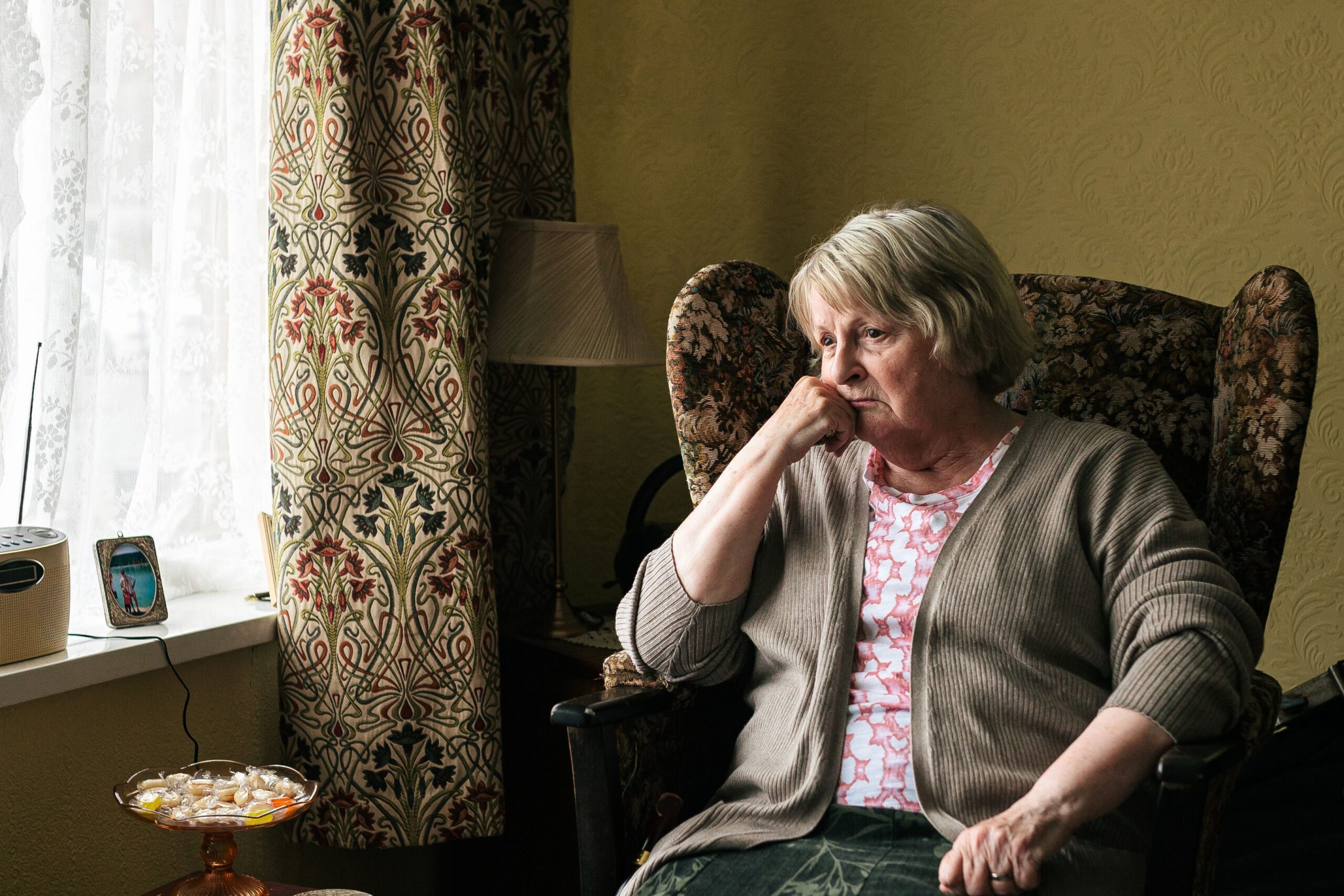
THE ANATOMY OF ISOLATION: UNPACKING BRENDA BLETHYN AND ANDREA RISEBOROUGH’S CHILLING THRILLER ‘DRAGONFLY’
Deconstructing the Sensational Streaming Teaser
A dramatic promotional teaser has been making the rounds across social media feeds, declaring that Brenda Blethyn delivers a gripping performance in an emotional thriller where “loneliness, secrets, and deception collide”. Complete with siren emojis and suspenseful framing, the viral post describes a quiet, isolated woman finding comfort in an unexpected bond, only for old resentments and hidden motives to surface before a shocking revelation shatters their fragile trust.
While social media marketing routinely relies on sensationalized tropes and mysterious cliffhangers to farm clicks, this particular spotlight points directly to one of the most unsettling British psychological thrillers in recent years: Paul Andrew Williams’ film Dragonfly.
Featuring powerhouse performances from two-time Academy Award nominee Brenda Blethyn and Oscar nominee Andrea Riseborough, Dragonfly is far from a formulaic thriller. Instead, it is a masterclass in claustrophobic tension—a raw, uncompromising examination of aging, social neglect, and the terrifying vulnerabilities born of radical loneliness.
The Premise: Unexpected Comfort on a Bleak Housing Estate
Set against the muted backdrop of a modest council estate in West Yorkshire, Dragonfly opens on a quiet world defined by routine and decay. Elsie (Brenda Blethyn) is an octogenarian widow who has lived in the same bungalow for over fifty years. Frail, recovering from a recent fall, and increasingly humiliated by her physical dependence on rushed, overworked social care workers, Elsie lives a solitary existence devoid of family support.
Living nearby is Colleen (Andrea Riseborough), a woman approaching forty who is equally marooned in isolation. Hostile, closed-off, and burdened by unresolved personal trauma, Colleen numbs her loneliness by obsessively watching online makeup tutorials and hurling insults at the care workers visiting Elsie’s home.
The trajectory of both women changes when Colleen impulsively decides to intervene. Stepping into Elsie’s home, Colleen takes over her daily care—helping her bathe, cooking shared meals, doing her grocery shopping, and keeping her company in front of the television. To Elsie, who felt abandoned by a world that views elderly pensioners as invisible, Colleen’s sudden presence feels like a miraculous lifeline. What begins as a practical arrangement quickly blossoms into an intimate, affectionate companionship, bringing warmth to two lives that had grown painfully cold.
The Unraveling: Deception, Debts, and Psychological Suspense
However, director Paul Andrew Williams—celebrated for his gritty indie classic London to Brighton—refuses to offer a neat story of redemptive friendship. Beneath the gentle exterior of tea cups and shared television evenings, an unsettling undercurrent of tension begins to simmer.
As Colleen makes herself indispensable to Elsie’s daily survival, subtle red flags emerge. Viewers watch with growing discomfort as Colleen quietly snoops through Elsie’s private bedroom drawers, handles her personal belongings, and assumes total control over her financial cards during shopping trips. The narrative introduces troubling details about Colleen’s own life—mounting personal debts, erratic emotional outbursts, and an opaque past that hints at deep psychological damage.
The genius of Dragonfly lies in its relentless ambiguity. The film forces the audience into a harrowing dilemma: Is Colleen a genuinely well-meaning, deeply broken soul seeking redemption through caretaking, or is she a calculating predator quietly exploiting an elderly woman’s vulnerability?
When well-meaning neighbors and social service officers begin questioning Colleen’s sudden dominance over Elsie’s life, old resentments flare. The fragile trust established between the two women becomes a battleground, escalating toward a shocking development that reframes their entire relationship.
Acting Excellence: Blethyn and Riseborough’s Masterclass
The emotional core of Dragonfly rests squarely on the shoulders of its two lead actresses, whose screen chemistry generates breathtaking authenticity.
Brenda Blethyn as Elsie
Brenda Blethyn, best known to global television audiences for her long-running iconic role in Vera as well as her acclaimed performances in Secrets & Lies and Little Voice, gives one of the most vulnerable performances of her late career. Blethyn portrays Elsie not as a passive caricature of old age, but as a proud, sharp-witted woman struggling against the indignities of physical decline. She captures the painful conflict of a widow who senses the potential danger in her new companion, yet chooses to overlook the warning signs because the alternative—returning to absolute, crushing solitude—is simply unbearable.
Andrea Riseborough as Colleen
Opposite Blethyn, Andrea Riseborough (To Leslie, Mandy) delivers a fearless, haunting performance as Colleen. Riseborough leans entirely into the character’s unvarnished, tragic complexity. Without asking for easy sympathy, she conveys the erratic intensity of a woman whose capacity for genuine tenderness is constantly at war with her volatile instincts and economic desperation. Riseborough’s physical transformation and shift in body language make Colleen a deeply unpredictable presence, keeping the viewer permanently on edge.
The supporting cast, including a nuanced turn by Jason Watkins, provides grounded realism, representing a social system that is too stretched to protect either woman before it is too late.
Social Realism Meets Psychological Horror
Rather than relying on jump scares or sensationalized movie tropes, Dragonfly derives its horror from the authentic realities of modern British life. Paul Andrew Williams constructs a narrative where the true monsters are social isolation, poverty, and the quiet tragedy of growing old without a safety net.
The film’s visual language emphasizes domestic confinement. The camera lingers in tight, dimly lit living rooms and sterile hallways, creating a claustrophobic atmosphere that reflects the emotional trap closing around both characters.
By weaving elements of social realism with psychological thriller mechanics, Dragonfly explores profound moral questions:
-
The Vulnerability of Dependence: How societal neglect leaves elderly individuals susceptible to coercion.
-
The Complexity of Motive: How genuine human affection and parasitic exploitation can co-exist within the same troubled individual.
-
The Cost of Loneliness: How extreme isolation can push ordinary people into desperate, irredeemable choices.
A Haunting Drama That Demands Attention
While viral social media posts attempt to package Dragonfly as a quick-fix streaming thriller, the film stands as a monumental work of British dramatic cinema. It rejects cheap resolution in favor of a devastating, deeply empathetic exploration of human fragility.
Driven by the extraordinary talents of Brenda Blethyn and Andrea Riseborough, Dragonfly is a sobering, unforgettable film that lingers in the mind long after the final frame, serving as a stark reminder of the hidden tragedies playing out behind closed doors every day.