THE ANATOMY OF COUNTRY MUSIC CLICKBAIT: DECONSTRUCTING THE ‘DOLLY PARTON FINAL WORDS’ DISINFORMATION HOAX
Deconstructing the Sensationalist Teaser
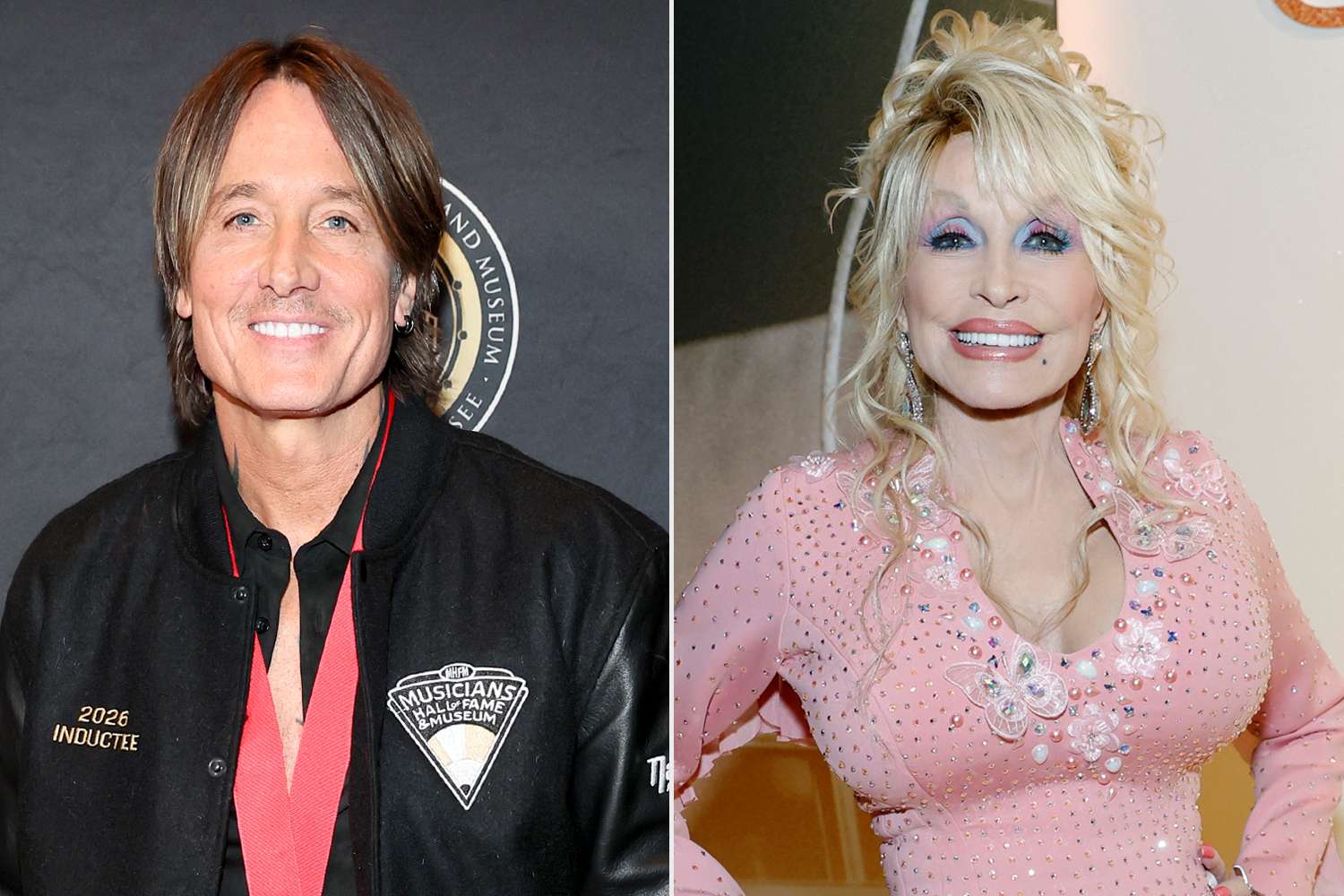
A hyper-dramatic advertisement recently began proliferating across automated entertainment channels, country music fan forums, and social media feeds, declaring in alarmist headlines: “🚨 KEITH URBAN FINALLY BREAKS HIS SILENCE — DOLLY PARTON’S FINAL WORDS LEAVE FANS STUNNED! Country music erupted after Keith Urban became visibly emotional while recalling a deeply private conversation with Dolly Parton. Fighting back tears, he revealed that their final exchange carried a meaning he had never publicly discussed before. The atmosphere changed completely when Keith leaned toward the microphone and began describing the words Dolly quietly left with him… 👉 Read the full story before the missing detail disappears.”
Packed with emergency siren emojis, somber language evoking mortality, dramatic emotional triggers, and a manipulative call to action, the post presents itself as a breaking news report regarding a devastating event in the country music community. However, despite its urgent tone and solemn narrative claims, every element of this teaser represents a digital fabrication. Country music icon Dolly Parton is alive, active, and performing, and Keith Urban has not given an emotional press conference revealing any tragic “final words.” Instead, this post represents a ubiquitous form of digital engagement fraud: a modular, automated clickbait template engineered to exploit fan affection for beloved living legends, generate morbid curiosity, and harvest web traffic for predatory ad-arbitrage networks.
Fact-Checking Country Music Reality vs. Synthetic Death Hoaxes
To understand the deceptive mechanics of this clickbait campaign, one must contrast its dramatic assertions with the factual reality of country music history, celebrity news reporting, and public publicist records.
The post relies on subtle death-hoax framing, emotional manipulation, and synthetic narrative vagueness to trick casual fans:
-
Morbid Misdirection and False Eulogies: By using phrasing like “Dolly Parton’s final words” and “their final exchange,” the teaser intentionally implies that Dolly Parton has either passed away or received a terminal diagnosis. This form of soft death-hoaxing is designed to induce panic among fans of the 80-year-old cultural icon. In reality, Dolly Parton remains actively involved in music, philanthropy, and media projects, and no such “final exchange” ever occurred.
-
Exploitation of Genuine Industry Respect: Keith Urban and Dolly Parton have shared mutual respect throughout their careers, performing together at industry events and awards shows (such as the Academy of Country Music Awards). Content mills weaponize genuine professional relationships by taking real footage of an artist getting emotional during a completely unrelated interview—such as honoring a late colleague or discussing a personal song—and pairing it with false headlines about another living celebrity.
-
Interchangeable AI-Generated Text: The description provided in the post—referencing a “deeply private conversation,” “fighting back tears,” and “words Dolly quietly left with him”—contains zero concrete details such as dates, locations, or actual quoted text. This vagueness is intentional; content farms utilize standardized, AI-spun synopses that can be pasted alongside any pair of famous country musicians to generate viral engagement out of thin air.
The Psychological Hooks of Celebrity Tragedy Clickbait
The structural design of the “Keith Urban and Dolly Parton” teaser relies on refined cognitive manipulation techniques engineered to bypass critical skepticism and provoke immediate online action.
Digital content mills deploy specific psychological triggers when crafting fake celebrity emergency announcements:
1. Cultural Icon Reverence and Loss Aversion
Dolly Parton occupies a unique place in global pop culture, widely revered for her music, warmth, and extensive philanthropic work (such as the Imagination Library). The mere implication that she is facing an ordeal or has passed away triggers intense loss aversion and empathetic grief, causing fans to act on emotion rather than logic.
2. The Truncated Curiosity Gap (“before the missing detail disappears”)
By declaring that Keith Urban revealed a deeply private secret without disclosing what the secret actually was, the teaser creates a sharp psychological open loop. Adding the artificial urgency of “before the missing detail disappears” pressures scrollers to click immediately out of fear of missing crucial news.
3. Visual Urgency and Directional Priming (🚨 / 👉 Emojis)
The inclusion of high-contrast emergency emojis—red flashing beacons (🚨) and pointing fingers (👉)—activates visual urgency. These elements pull the reader’s focus away from evaluating the logical plausibility of the headline and direct physical attention toward the external link trap.
4. Algorithmic Engagement Feedback Loops
When concerned fans enter the comment section asking “Is Dolly okay?” or “What happened to Dolly?”, social media recommendation engines flag the post as having high interaction rates. Consequently, the platform’s algorithm pushes the fake announcement into thousands of additional user feeds.
The Monetization Funnel: Ad Arbitrage and Link Traps
Behind these sensationalized music headlines lies a lucrative business model known as traffic arbitrage, digital impression farming, and click-fraud networking.
When scrollers tap the “👉 Read the full story” link expecting to view an official interview transcript or video, they are never directed to legitimate news outlets like Billboard, CMT, or Rolling Stone. Instead, the user journey follows a deceptive web funnel:
-
Redirect Chains to Scraper Sites: Users are routed through multiple URL shorteners to low-quality scraper blogs loaded with pay-per-click display banner advertisements, auto-playing video commercials, and pop-unders. Every page load generates passive advertising revenue for the content mill.
-
Endless Slideshow Traps: Destination pages often force readers to click through 30 to 50 individual slideshow pages, each displaying a single sentence of recycled biography before revealing—at the very end—that Dolly Parton is fine and no secret exists. This technique maximizes ad impressions per user.
-
Malware and Cybersecurity Hazards: In predatory cases, destination sites push invasive push-notification subscription traps, deceptive scareware pop-ups claiming device infection, or phishing forms designed to harvest personal information.
Digital Media Literacy: Navigating Music Industry News
The widespread proliferation of manufactured celebrity tragedy posts highlights the ongoing necessity of digital media literacy when following entertainment news online.
To protect themselves from falling victim to fake celebrity updates and digital ad schemes, audiences should adopt key verification habits:
-
Cross-Reference with Major News Outlets: Major celebrity news, particularly involving a legend like Dolly Parton, will instantly be covered by mainstream news organizations (such as the Associated Press, BBC, or Reuters) and official social media accounts.
-
Recognize Morbid Clickbait Patterns: Be skeptical of posts using vague, ominous phrasing like “final words,” “broke his silence,” or “left fans stunned” without citing specific dates or verified interviews.
-
Avoid Unverified External Links: Refrain from clicking “Read full story” links in suspicious social media comments, non-verified pages, or sponsored clickbait widgets.
-
Refrain from Engaging with Fake Posts: Avoid commenting on, liking, or sharing unverified celebrity posts. Every interaction provides engagement metrics that allow clickbait creators to profit from digital spam.
Understanding how automated content networks capitalize on fan devotion and celebrity news allows music lovers to navigate the digital media landscape critically without being manipulated by algorithmic click schemes.