Deconstructing Viral Intruder Hoaxes in the Lindsay Clancy Prosecution
Anatomy of Digital Exploitation: Deconstructing Viral Intruder Hoaxes in the Lindsay Clancy Prosecution
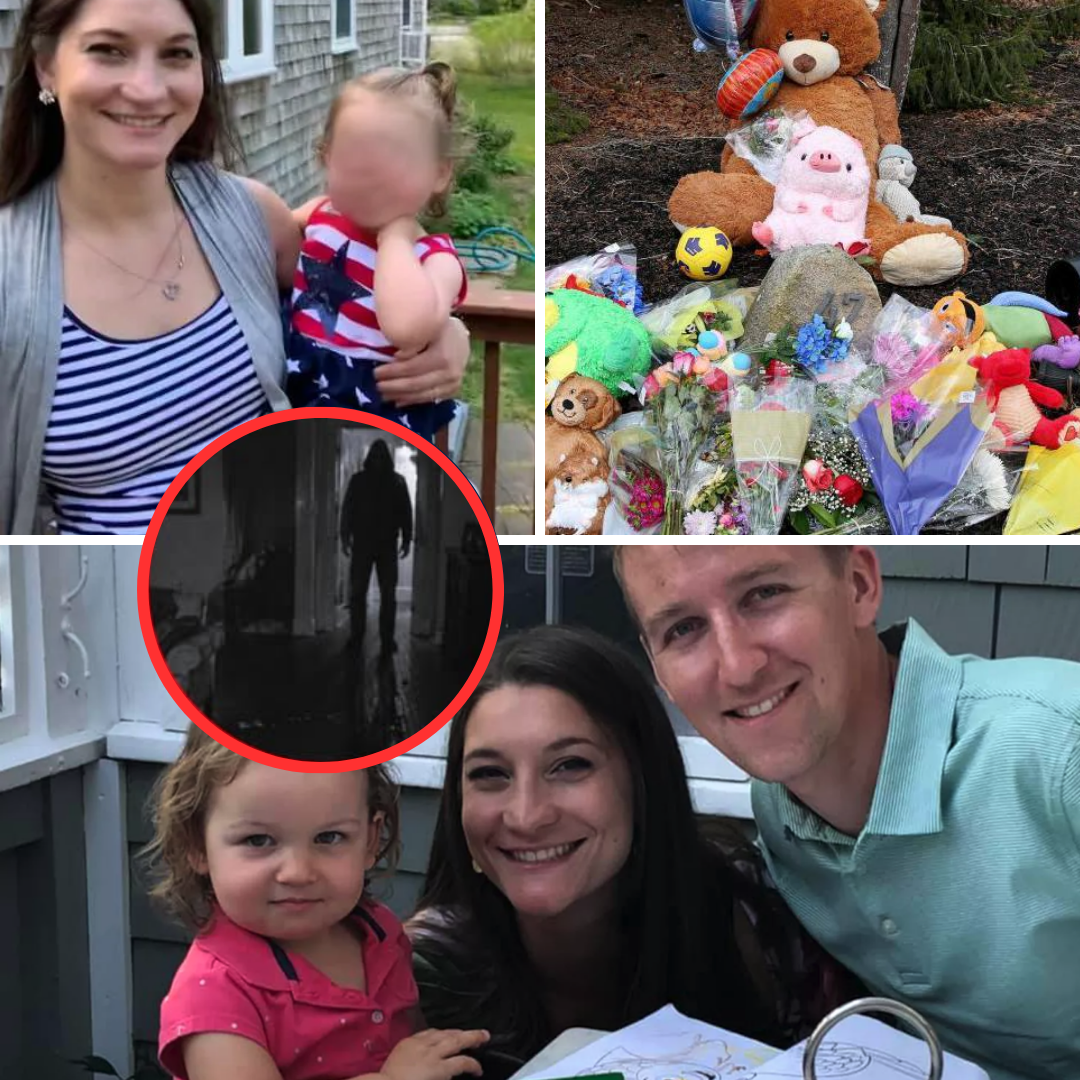
In the high-stakes arena of public-interest criminal trials, the boundary separating objective legal reporting from predatory internet sensationalism frequently breaks down. The prosecution of Lindsay Clancy—the former Duxbury, Massachusetts labor and delivery nurse indicted in connection with the January 2023 deaths of her three young children, Cora, Dawson, and Callan—stands as a stark case study in this digital phenomenon. While Plymouth Superior Court remains strictly focused on forensic psychiatric evaluations, medical history, and statutory insanity standards, a parallel online economy continues to manufacture sensationalized hoaxes. Among the most egregious of these viral fabrications are posts claiming that “leaked footage” has unmasked a “mysterious shadow” or “cold stranger” lurking inside the Clancy household moments before the tragedy.
These claims, almost universally paired with urgent prompts directing readers to click external links for “jaw-dropping reveals,” are completely baseless. A thorough examination of the official court record, state police crime scene logs, and forensic digital extractions demonstrates that no third-party intruder ever stepped foot on the property. Deconstructing how these intruder hoaxes are engineered offers essential insight into how clickbait networks exploit human tragedy for digital engagement, and why objective legal journalism remains the sole defense against viral misinformation.
The Evidentiary Reality: Unassailable Timelines and Physical Proof
To understand the absolute falsity of viral intruder myths, one must look directly at the authenticated evidence compiled by Plymouth County prosecutors and Massachusetts State Police investigators. The timeline of January 24, 2023, was reconstructed not through speculative online rumors, but through hard physical data, commercial security cameras, cellular tower handoffs, and GPS telemetry.
The verified record presented during pretrial hearings establishes the following sequence of events:
-
Early Afternoon Activity: Lindsay Clancy spent time outdoors in the snow with five-year-old Cora and three-year-old Dawson, taking photographs on her phone and sending them to family members—capturing routine domestic moments with no outside individuals present.
-
Routine Household Requests: Later that afternoon, Lindsay requested that her husband, Patrick Clancy, briefly leave their Summer Street home to pick up dinner from ThreeV, a restaurant in Plymouth, and collect a prescription from a CVS pharmacy in nearby Kingston.
-
Independent Telemetry Verification: Commercial surveillance footage from CVS and ThreeV, combined with GPS tracking from Patrick’s vehicle, verified his exact route and confirmed his physical presence at those businesses during his roughly 50-minute absence from the home.
-
Discovery and Emergency Response: Upon returning home around 6:09 PM, Patrick discovered his wife outside in the backyard suffering from severe trauma following a fall from a second-story window. He immediately called 911, bringing local police and emergency medical services to the scene within minutes.
Following the arrival of first responders, state police crime scene technicians conducted an exhaustive search of the entire residence and surrounding property. Doorbell cameras and residential security systems throughout the neighborhood were audited. Digital forensics units extracted and analyzed all household laptops, mobile devices, and cloud accounts. The law enforcement conclusion was definitive: there were no forced entries, no unidentified fingerprints or DNA, no external surveillance feeds, and zero evidence of any third-party presence. The household was completely isolated.
The Clickbait Machine: How Tragedy Is Monetized
If the physical and forensic record definitively proves that no stranger existed, why do headlines proclaiming “leaked footage of a lurking shadow” continue to flood social media feeds? The answer lies in the financial architecture of modern clickbait publishing.
Online content networks operate on a simple economic imperative: driving user clicks to pages laden with programmatic advertising. To achieve high click-through rates on search engines and social platforms, these operations deploy specific psychological and stylistic tactics:
-
Sensationalized Hyperbole: Relying on intense, alarmist language (“BLOOD-CURDLING SILENCE,” “SHEER MADNESS,” “COLD STRANGER”) to trigger an immediate emotional reaction.
-
Manufactured Cliffhangers: Structuring the narrative around a missing piece of information (“exposing his jaw-dropping identity as…”) to weaponize curiosity.
-
Deceptive Call-to-Action Mechanics: Prominently featuring “Click the link to reveal” buttons that redirect users through multiple ad-heavy domains or survey walls.
In practice, the promised “leaked footage” never exists. The user is shuttled through a network of click-farms designed to generate ad revenue or collect user tracking data. The “mysterious shadow” is merely a narrative hook—a phantom created out of thin air to exploit a tragic legal case for financial gain.
Legal Standards and the Danger of Public Distortion
While clickbait operators view these fabricated stories as victimless engagement tools, their real-world impact on the judicial process and surviving family members is profound.
Within the courtroom, the legal fight in Commonwealth v. Lindsay Clancy has nothing to do with identifying an outside perpetrator. Because physical causation is undisputed, the judicial process centers entirely on the legal standard of criminal irresponsibility under Massachusetts law (Commonwealth v. McHoul). The sole question before the court is whether Clancy suffered from acute postpartum psychosis—compounded by severe depression and complex pharmaceutical regimens—that rendered her incapable of appreciating the wrongfulness of her actions or conforming her conduct to the law.
When digital hoaxes saturate the public sphere with stories of “secret intruders” and “suppressed footage,” they pollute the jury pool and create false expectations about the trial. Judges are forced to implement increasingly stringent jury screening protocols during voir dire to ensure that prospective jurors base their decisions strictly on sworn, authenticated evidence rather than internet folklore.
Furthermore, the human cost of these viral rumors is devastating. For Patrick Clancy and his extended family, navigating unimaginable personal loss is made continually more painful by online networks that repeatedly invent horror-movie scenarios about their private home.
Restoring Truth in the Digital Era
The prosecution of Lindsay Clancy represents one of the most agonizing and complex legal matters in recent New England history. It touches on profound issues surrounding maternal mental health, clinical diagnostics, and the strict statutory boundaries of criminal law. Resolving these questions requires sober analysis, legal precision, and absolute fidelity to established facts.
The myth of the “lurking stranger” serves as a warning against the dangers of uncritical media consumption. By contrasting sensationalized headlines with the verified findings of law enforcement and official court filings, the truth remains clear: there was no cold stranger in the corner, no restored secret video, and no hidden accomplice. Upholding the integrity of the justice system requires the public and media alike to reject viral exploitation in favor of verifiable judicial truth.