
How to Grow Watermelon Successfully – A Complete Guide to Sweet and Juicy Harvests
Watermelon is one of the most refreshing and popular fruits grown during warm seasons. Known for its sweet, juicy flesh and high water content, watermelon is a favorite choice for home gardeners seeking a rewarding summer crop. Although it requires space, warmth, and attentive care, watermelon is relatively easy to grow under the right conditions. With proper soil preparation, watering, and sunlight, you can harvest large, flavorful fruits directly from your garden. This comprehensive guide explains how to grow watermelon successfully from seed to harvest.

Understanding Watermelon Growing Conditions
Watermelon thrives in warm climates with temperatures between 22°C and 35°C. It requires a long growing season of at least 70 to 100 frost-free days, depending on the variety.
This plant is highly sensitive to cold. Soil temperature should be at least 18°C before planting seeds outdoors. Frost can quickly kill young seedlings.
Watermelon grows as a sprawling vine with long runners that can spread several meters. Adequate space is essential for healthy growth and fruit development.
Full sunlight is critical. Watermelon requires at least six to eight hours of direct sunlight daily to produce sweet fruit.
Choosing the Right Watermelon Variety
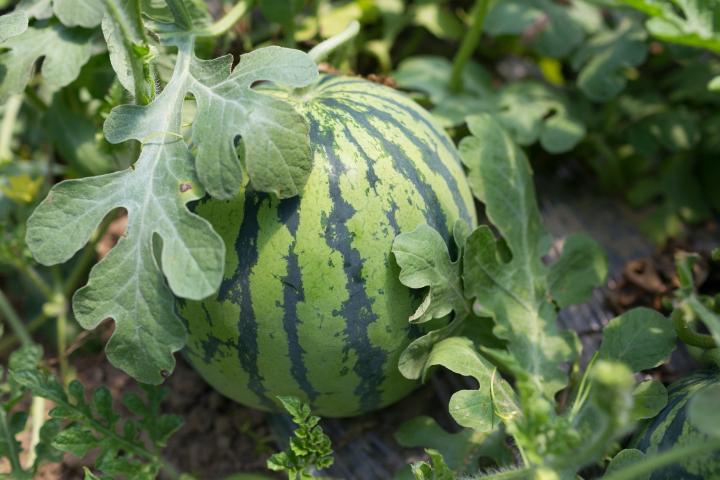
There are many watermelon varieties available, including seeded, seedless, and smaller “icebox” types suitable for limited spaces.
Choose a variety based on your climate, available space, and personal preference. Smaller varieties mature faster and are ideal for home gardens, while larger varieties require more space and time.
Always purchase high-quality seeds from reliable sources.
Selecting the Ideal Location
Choose a sunny area with well-draining soil. Avoid low spots where water may accumulate, as watermelon roots are sensitive to waterlogging.
Because vines spread widely, allow at least 1.5 to 2 meters between plants and 2 to 3 meters between rows.
Raised beds can improve drainage and soil warmth, especially in cooler climates.
Preparing the Soil
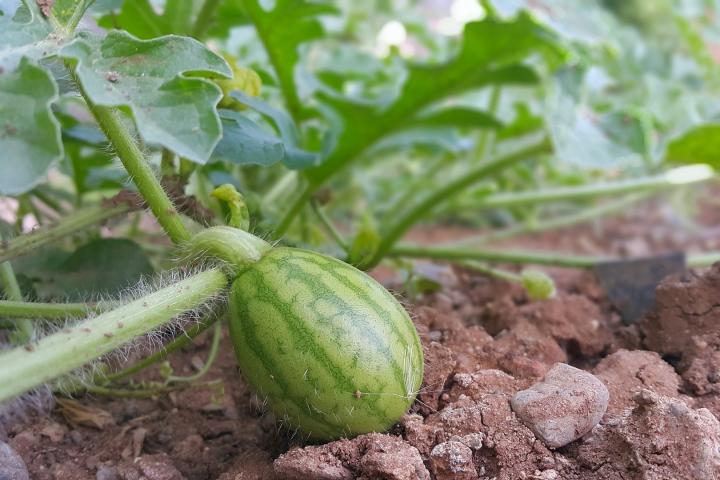
Watermelon grows best in sandy loam soil rich in organic matter with a pH between 6.0 and 6.8.
Before planting, loosen the soil to a depth of at least 30 centimeters. Mix compost or well-rotted manure into the soil to improve fertility and structure.
Good drainage is essential, but the soil should also retain adequate moisture to support rapid growth.
Planting Watermelon
Watermelon can be planted directly from seeds once the soil is warm. To plant:
-
Sow seeds about 2 to 3 centimeters deep.
-
Plant three to four seeds per mound.
-
Thin to the strongest two seedlings after germination.
Space mounds approximately 1.5 meters apart.
In cooler regions, seeds can be started indoors three to four weeks before the last frost and transplanted carefully to avoid root disturbance.
Watering Requirements
Consistent watering is critical for healthy watermelon growth. Water deeply once or twice per week, depending on weather conditions.
Keep the soil evenly moist, especially during flowering and fruit development. However, avoid overwatering, which can cause root rot or dilute fruit sweetness.
As fruits near maturity, slightly reduce watering to enhance sugar concentration and improve flavor.
Drip irrigation is recommended to keep leaves dry and reduce disease risk.
Fertilizing for Strong Growth
Watermelon plants are moderate to heavy feeders. Apply a balanced fertilizer during early growth stages to support vine development.
Once flowering begins, switch to a fertilizer higher in phosphorus and potassium to promote fruit formation.
Avoid excessive nitrogen, as it may encourage leaf growth at the expense of fruit production.
Organic compost applied at planting time provides steady nutrient release throughout the season.
Pollination and Fruit Development
Watermelon plants produce separate male and female flowers on the same vine. Bees and other pollinators transfer pollen from male to female flowers.
Encourage pollinators by avoiding pesticides during flowering. Poor pollination can result in misshapen or undersized fruit.
After successful pollination, fruits develop and enlarge over several weeks.
Place straw or cardboard under developing fruit to prevent direct contact with soil and reduce rot risk.
Pest and Disease Management
Common watermelon pests include aphids, cucumber beetles, and squash bugs. Regular inspection helps detect problems early.
Fungal diseases such as powdery mildew and downy mildew can occur in humid conditions. Proper spacing, good airflow, and drip irrigation reduce disease risk.
Remove infected leaves promptly and maintain garden cleanliness.
Harvesting Watermelon
Determining ripeness requires careful observation. Signs of maturity include:
-
The tendril nearest the fruit turning brown and dry.
-
The underside of the fruit changing from white to creamy yellow.
-
A dull sound when tapped gently.
Cut the fruit from the vine using a sharp knife. Avoid pulling, which may damage the plant.
Conclusion
Growing watermelon successfully requires warm temperatures, full sunlight, fertile soil, and consistent watering. With proper care, watermelon vines can produce sweet, juicy fruit that makes summer gardening especially rewarding. By selecting suitable varieties, ensuring proper pollination, and maintaining good soil health, you can enjoy fresh, homegrown watermelon straight from your garden. Patience and attention to detail will ensure a successful and delicious harvest.