
TWO FAMILIES SHATTERED: THE UNTOLD COLLATERAL DAMAGE OF THE JANA ARMSTRONG TRAGEDY!
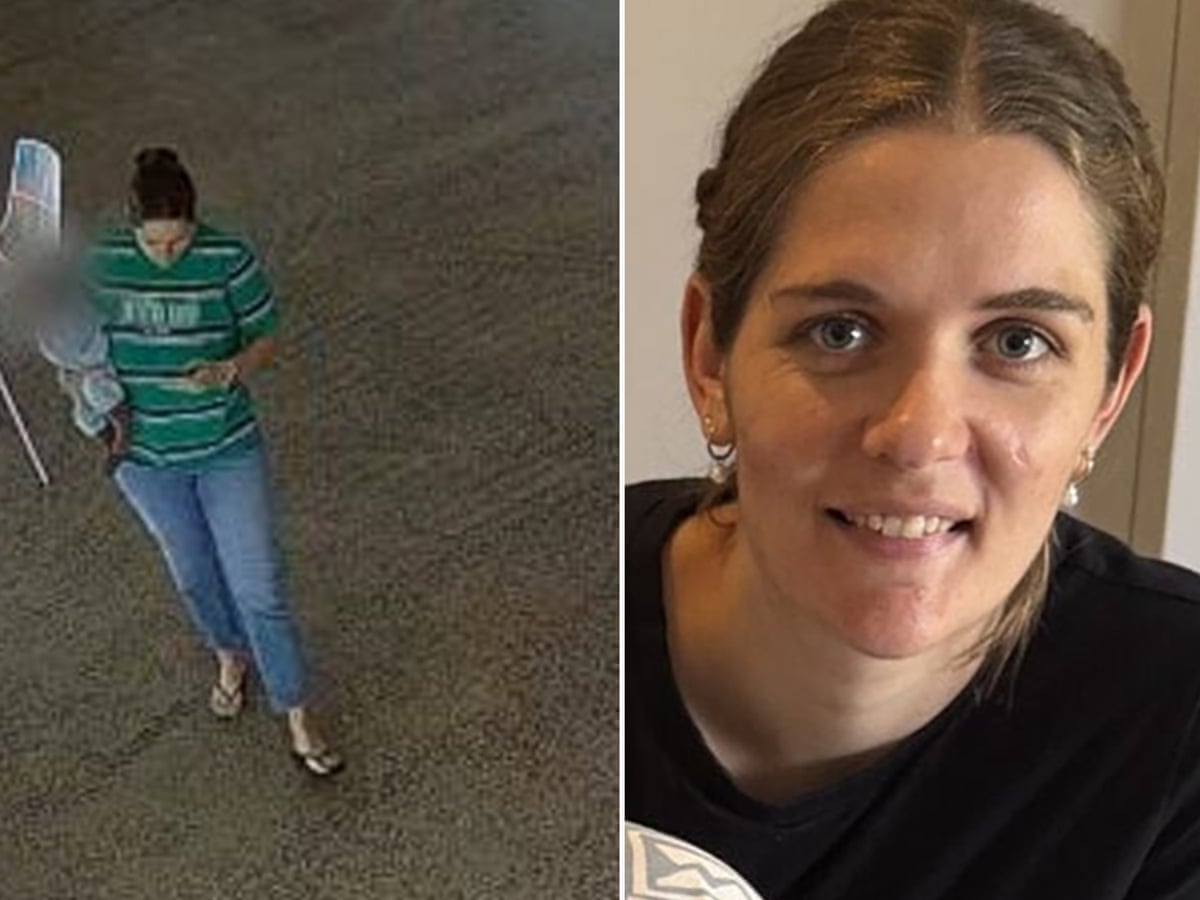
A tragedy of this scale rarely ends with a single victim. It shatters dreams, upends innocent lives, and leaves families—both the victim’s and the perpetrator’s—irrevocably broken. The heartbreaking words reportedly whispered by one of the accused’s relatives in the courtroom corridor, words that left those nearby in stunned silence, underscore a painful truth: no one emerges unscathed from such violence.
The Life and Light of Jana Armstrong
Jana Armstrong was, by all accounts, the epitome of a caring and selfless mother. A disability support worker in Toowoomba, she had recently welcomed her baby boy into the world just four months prior. Family members described her as someone who “put everyone before herself,” a loving sister, aunt, and above all, a mother whose world revolved around her infant son.

Her sister, Faith Isaacs, recounted emotional moments shared with Jana, including a brunch just hours before she vanished. “She was so caring and loved her son so much, more than anything,” Isaacs said. Jana’s dream was motherhood, and she embraced it fully despite the challenges of single or co-parenting. The family had already endured significant losses— their mother to breast cancer years earlier, their father to a heart attack, and more recently, Isaacs’ own newborn—making Jana’s presence a pillar of strength.
On Tuesday, July 7, 2026, Jana was last seen at her home in Newtown, Toowoomba. The following morning, her white Hyundai Kona was discovered unlocked and abandoned in the middle of the road nearby, doors open—a scene that immediately raised alarms. She would never leave her baby behind voluntarily. A massive community search ensued, involving volunteers, emergency services, and local pig hunters who ultimately made the grim discovery.
The Discovery That Ended Hope
Late on Saturday night, July 11, pig hunters stumbled upon human remains in steep, rough bushland off Esk-Hampton Road at Redbank Creek, near Ravensbourne National Park, about an hour from Toowoomba. Police quickly established a crime scene. Though formal identification was pending, investigators were confident the remains were Jana’s.

The location—rugged terrain with cliffs and dense vegetation—suggested the body had been deliberately moved and disposed of. Police appealed for dashcam and CCTV footage from the New England Highway and Esk-Hampton Road between 10:30pm on July 7 and 1:30am on July 8. They treated the case as domestic and family violence-related from the outset.
The Accused: Dharminder Singh
Dharminder Singh, a 48-year-old taxi driver living in the Harristown suburb of Toowoomba, was arrested early Sunday morning after a police search warrant at his property. He was charged with one count of murder (as a domestic violence offence), arson of a motor vehicle, and breaching bail conditions. Singh is the father of Jana’s young son, though the extent of his involvement in the child’s daily life remains unclear.

Singh appeared via video link in Toowoomba Magistrates Court on Monday, July 13. He sat with his head in his hands, visibly distressed, as his lawyer, Ramli Salehkon, asserted his client’s innocence and stated the matter would be defended. The case was adjourned to October, with a brief of evidence due by mid-September. Singh remains in custody.
Family and friends of Jana packed the courtroom, staring down the accused. Faith Isaacs held her nephew tightly in the front row, a powerful symbol of resilience amid grief. Outside court, she vowed to raise the boy and keep Jana’s memory alive: “This little fella is the reason why we’re getting out of bed every day… Jana, she needs justice.”
The Untold Story: A Second Family in Ruins
The caption’s focus on the “wife and family of the accused” brings to light a seldom-discussed aspect of such crimes—the ripple effects on the perpetrator’s loved ones. While details about Singh’s immediate family are limited in public reports, sources indicate profound emotional breakdown. Relatives reportedly whispered words of despair in the courthouse corridors, reflecting shock, shame, and grief over the alleged actions of a family member.

Singh’s arrest left his own support network reeling. As a taxi driver of Indian origin in a regional Australian community, his family may have already navigated cultural and social challenges. Now, they face the stigma of association with a high-profile domestic violence murder. The accused’s distress in court, covering his face and appearing broken, hints at internal family turmoil. His lawyer noted he was “quite distressed,” and the family must grapple with the reality that the father of a four-month-old stands accused of killing the child’s mother.
Collateral damage in these cases is multifaceted. Children, extended relatives, and spouses or partners often suffer secondary victimization—social ostracism, financial strain, mental health crises, and the painful process of reconciling love for the accused with horror at the crime. In Singh’s case, the shared child creates an even more tangled web of trauma. The baby boy, now cared for by Jana’s sister, represents a living link between the two shattered families. How does one explain to a child the loss of his mother at the hands of his father?
Broader family impacts include potential isolation. Communities rally around victims, but the accused’s relatives may withdraw in shame or face judgment. Mental health support becomes critical, yet often overlooked. This case exemplifies how domestic violence doesn’t just destroy one household—it fractures multiple ones, perpetuating cycles of pain across generations.
Community Grief and the Fight Against Domestic Violence
Toowoomba and surrounding areas responded with an outpouring of support. Flowers were laid at the crime scene and Jana’s home. A GoFundMe for funeral costs and the child’s future raised tens of thousands quickly. Cousins and friends described the family as “shattered” but united in ensuring Jana’s legacy endures through her son.
Detective Acting Inspector Brian Collins called it a “horrific crime,” emphasizing the horror of a young mother with a newborn having her life taken. Police investigations continue, including analysis of the arson charge (allegedly involving a vehicle) and Singh’s movements.
This tragedy reignites conversations about domestic and family violence in Australia. Despite no active DVO between Singh and Armstrong at the time (though one existed with another former partner), the case underscores the need for better early intervention, support services, and community vigilance. Jana’s family has called for more government action to protect women and children.
A Legacy of Love Amid Loss
As the legal process unfolds, Jana Armstrong’s memory shines through the darkness. She was a woman who supported others through disabilities, cherished her family, and poured her heart into motherhood. Her sister Faith’s promise rings true: the baby boy will grow up knowing exactly who his mother was—caring, calm, and loving.
For Singh’s family, the road ahead is one of unimaginable reckoning. They must navigate public scrutiny, personal grief, and the question of how such alleged violence could erupt in their midst. The “whispered words” in the corridor serve as a poignant reminder that behind every headline are human beings—mothers, fathers, siblings, children—whose lives are forever altered.
In the end, this story is not just about one murder or one courtroom drama. It is about the hidden costs of violence: the empty cribs, the silent family dinners, the futures rewritten in sorrow. Queensland, and Australia at large, must confront these collateral wounds if we are to prevent future tragedies. Jana Armstrong deserved better. Her son deserves a world where such pain is minimized. And the families left behind—both hers and his—deserve compassion as they piece together what remains.