
THE VIRAL MOVEMENT AGAINST INSTITUTIONAL NEGLIGENCE HAS SURGED BEYOND A SINGLE FAMILY’S TRAGEDY, EVOLVING INTO A NATIONAL BENCHMARK FOR DISMANTLING SYSTEMIC INCOMPETENCE.
TERRACE, B.C. — In the quiet town of Terrace, British Columbia, the memory of 17-year-old Sebastian Moore is not fading; it is hardening into a symbol of a desperate fight against a justice system that many in the Indigenous community feel has abandoned them. Known to his family and friends as “Boots,” Sebastian was a charismatic, hardworking young man training to become an electrician—a boy with his entire life ahead of him. That life was violently extinguished on the night of November 26, 2023, leaving behind a family who has spent the last year trapped in a nightmare of silence, broken promises, and, ultimately, a legal decision that has shattered their faith in the rule of law.
For over a year, the family of Sebastian Moore waited for justice. They waited for the moment when the perpetrator would be held accountable for the senseless violence that occurred near the intersection of Lakelse Avenue and Clinton Street. But on April 29, 2025, that hope was crushed by a single phone call from the British Columbia Crown Counsel. The message was unequivocal and devastating: despite an investigation that police had previously suggested was heading toward charges, the Crown had decided not to approve any charges, determining that the fatal incident met the legal definition of “self-defense.”
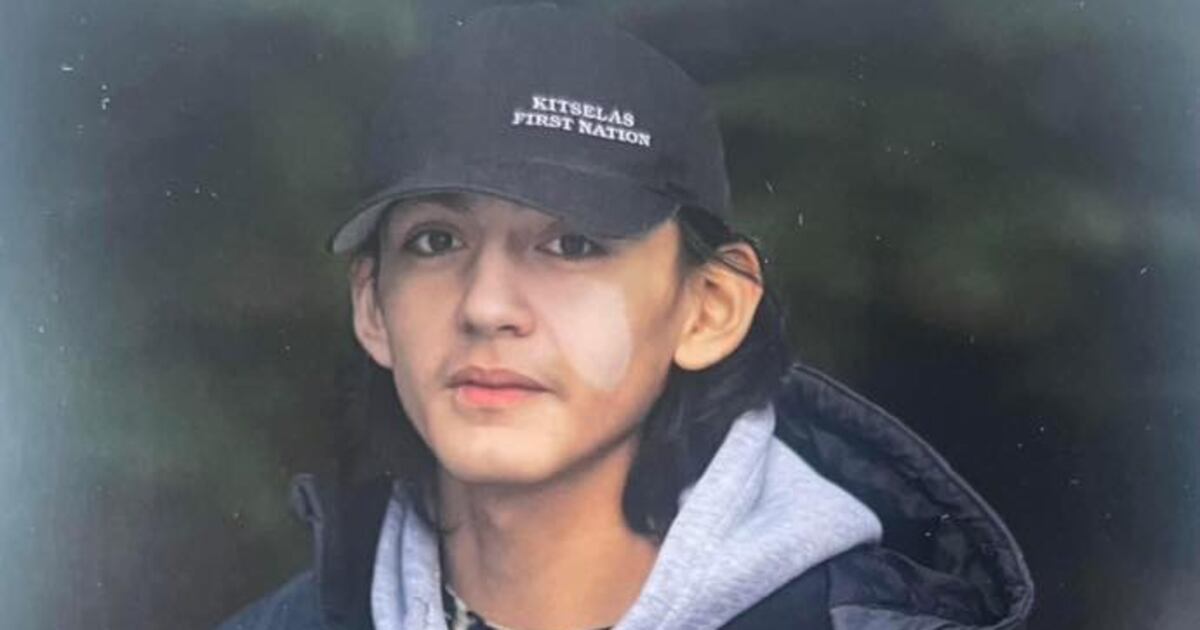
The Night the Light Went Out
The circumstances surrounding Sebastian’s death paint a starkly different picture than the “self-defense” narrative endorsed by the Crown. According to the Moore family and supporters, Sebastian’s death was an act of brutal violence. He had reportedly gone to confront a partner who had been abusing his young cousin—a move consistent with his nature as a protector of the vulnerable.
According to witnesses and supporters of the “Justice for Seb” movement, the encounter escalated when the perpetrator used bear mace and a knife against Sebastian. The autopsy, which the family claims the Crown initially mischaracterized to them, revealed 17 distinct stab wounds. The report concluded that the first blow—to the back of the head—was fatal. The violence did not end there; the same assailant allegedly pursued Sebastian’s friend for two blocks, stabbing him four times.
For the Moore family, the Crown’s decision to decline charges is not just a legal disappointment; it is a profound betrayal. They describe meetings with Crown officials as cold, defensive, and dismissive, asserting that prosecutors spent more time defending the perpetrator’s actions than acknowledging the loss of a 17-year-old boy.
The Pattern of Injustice
Sebastian Moore’s story has transcended the borders of Terrace, becoming a focal point in the broader, national conversation regarding the Missing and Murdered Indigenous Men and Boys (MMIMB) in Canada. For the Kitselas Nation and the broader community, this case is not an anomaly; it is part of a systemic pattern where violence against Indigenous youth is met with administrative indifference.
The family’s struggle has been immense. They have organized marches in the rain outside the Terrace RCMP detachment, stood with banners bearing Sebastian’s face, and shared his story on national platforms, including the True North True Crime podcast. They have been met with verbal non-disclosure agreements, warnings against retaliation, and a deafening silence from the institutions tasked with providing safety and equity.
“He was an uncle, he was a brother, he was a son,” Sebastian’s grandmother, Debbie, has said repeatedly. “He was seventeen.”
A Community That Refuses to Forget
The “Justice for Seb” movement, bolstered by over 19,000 petition signatures and support from the BC legislature, continues to push for a review of the decision. They are demanding transparency, accountability, and an open investigation. The funds raised through the family’s efforts are being directed toward legal counsel as they navigate a landscape that seems designed to exhaust and silence them.
The question that remains hanging in the air of Terrace—and across Indigenous communities nationwide—is how a teenager can be brutally killed, sustaining 17 wounds, only for the state to deem it “self-defense” without a single day in court. How does a life as meaningful as Sebastian’s become so easily discarded by the stroke of a pen?
The Long Road Ahead
As of April 2026, more than two years after that fateful November night, the family of Sebastian Moore continues to march. They are a family who has been forced to become their own investigators, their own advocates, and their own legal team. They refuse to let the name “Boots” be relegated to a footnote in a case file.
In a country that claims to be on a journey toward reconciliation, the case of Sebastian Moore stands as a stinging indictment of how far that promise remains from reality. The Crown may have closed their file, but the community is keeping the case wide open. They are the voice for a boy who stood up to protect someone else, and who now requires the community to stand up and protect his memory.
The struggle for justice for Sebastian Moore is far from over. It is a story of a boy who was training to light up the world, and a family who is now lighting a fire that will not be extinguished until someone is held to account for his death. In the darkness of that November night, a future was snuffed out, but in the light of the justice movement that follows, Sebastian’s legacy continues to burn.