Bob Dylan’s Historic 1962 Recording Session and the Hidden Detail Still Fascinating Fans Today
The Timeless Echo of a Simple Song: Bob Dylan’s Historic 1962 Recording Session and the Hidden Detail Still Fascinating Fans Today

One song. Just a few simple lines. Yet more than 60 years later, the world is still talking about it.
When a scruffy 21-year-old Bob Dylan walked into Columbia Recording Studios in New York City on July 9, 1962, almost no one outside the intimate Greenwich Village folk scene could have imagined the seismic shift about to unfold. The session was brief, the setup modest—just Dylan, his guitar, harmonica, and producer John Hammond in Studio A. But the results would ripple through generations, redefine popular music, and cement Dylan as the voice of a restless era.
The Backdrop: A Young Folk Prodigy in the Village
By 1962, Bob Dylan (born Robert Allen Zimmerman in Duluth, Minnesota) had already reinvented himself. Arriving in New York in 1961, he immersed himself in the folk revival, channeling influences from Woody Guthrie, traditional ballads, and the blues. His self-titled debut album, released in March 1962, was a collection of mostly covers that showed promise but didn’t explode commercially. Columbia Records had taken a chance on him via the legendary producer John Hammond, who saw raw talent in Dylan’s distinctive voice and storytelling.
The Village was buzzing with energy—coffeehouses like Gerde’s Folk City and the Gaslight Café were hubs for aspiring artists. Dylan was performing regularly, honing his craft amid a scene hungry for authenticity amid the Civil Rights Movement, Cold War tensions, and cultural upheaval. It was in this fertile ground that “Blowin’ in the Wind” emerged.
The Song That Wrote Itself: Origins of “Blowin’ in the Wind”
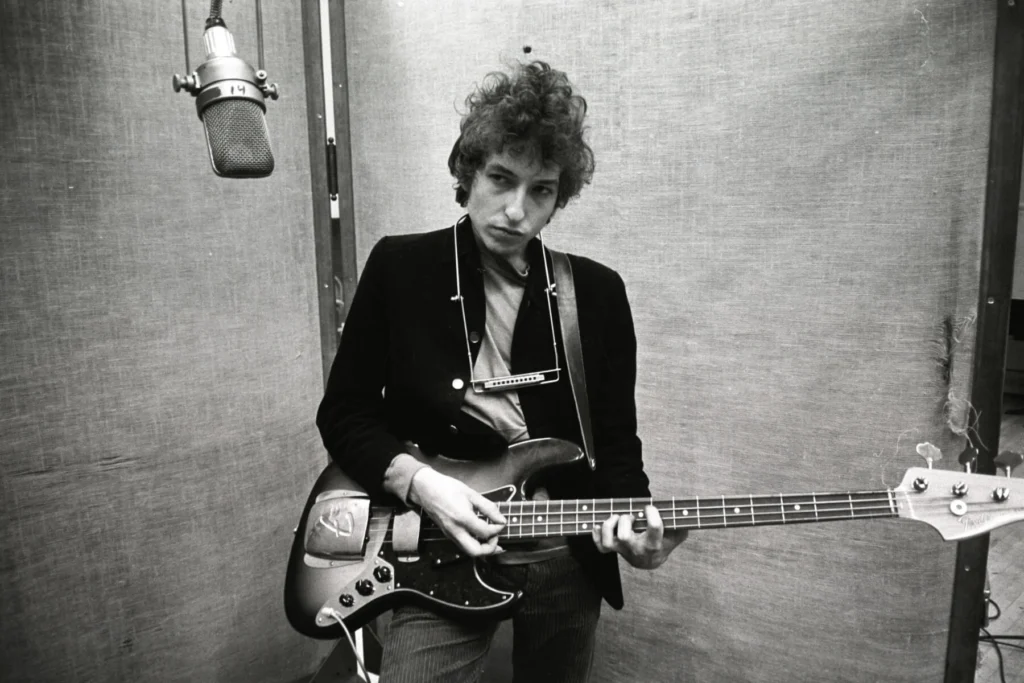
Dylan reportedly penned much of “Blowin’ in the Wind” in about 10 minutes at a café near Gerde’s Folk City in April 1962. He debuted a two-verse version live that month. The melody drew from the old spiritual “No More Auction Block” (also known as “Many Thousands Gone”), a song sung by former slaves who fled to Canada. Dylan later acknowledged this influence: “‘Blowin’ in the Wind’ has always been a spiritual. I took it off a song called ‘No More Auction Block’—that’s a spiritual and ‘Blowin’ in the Wind’ follows the same feeling.”
The lyrics posed a series of profound, rhetorical questions about peace, freedom, and human endurance:
How many roads must a man walk down Before you call him a man? Yes, ’n’ how many seas must a white dove sail Before she sleeps in the sand? Yes, ’n’ how many times must the cannonballs fly Before they’re forever banned? The answer, my friend, is blowin’ in the wind The answer is blowin’ in the wind.
These lines captured the era’s uncertainty without preaching, making the song universally resonant. Dylan added a third verse shortly after, perfecting it for recording.
The Fateful Recording Session: July 9, 1962
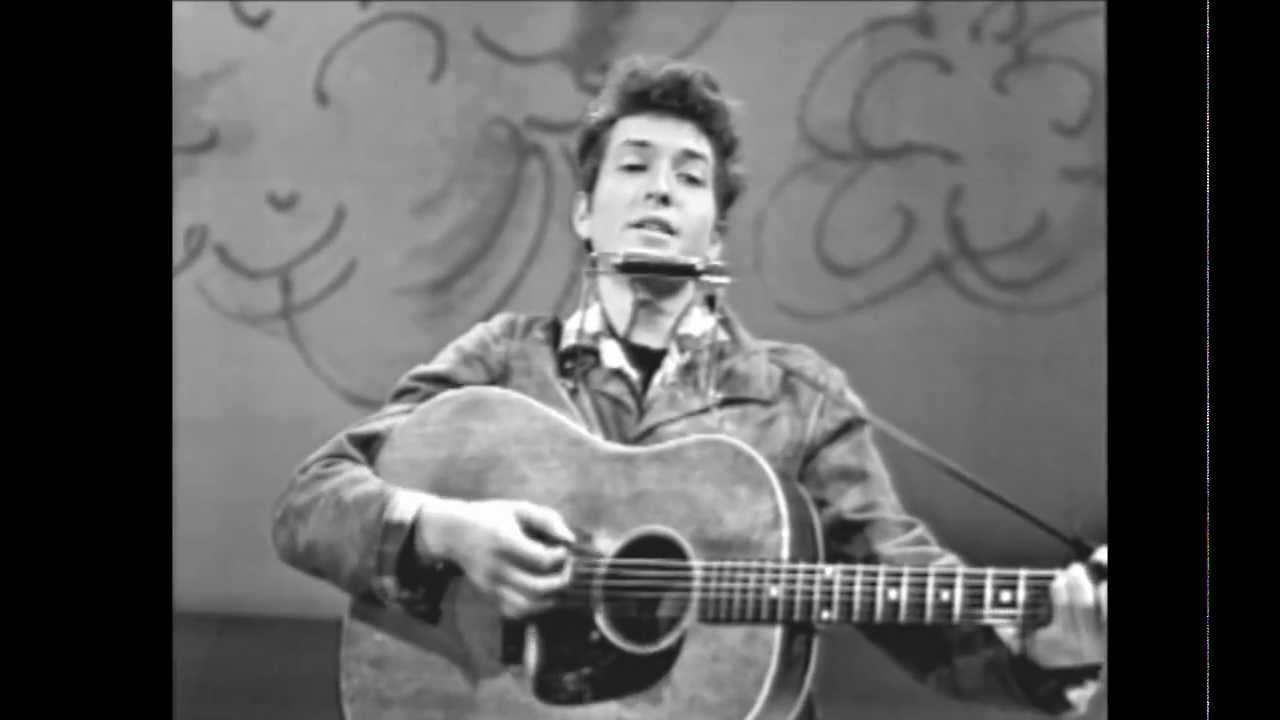
On that summer day, Dylan entered the studio for what became one of the key sessions for his sophomore album, The Freewheelin’ Bob Dylan. The atmosphere was intimate. Engineer notes from the session list multiple takes of “Blowin’ in the Wind,” along with other tracks like “Bob Dylan’s Blues” and “Honey, Just Allow Me One More Chance.” Dylan performed solo, his fingerpicking guitar and harmonica providing the sparse, haunting backdrop.
The entire process for the song was efficient—captured in just a few takes. Producer John Hammond, known for discovering talents like Billie Holiday and Aretha Franklin, gave Dylan creative freedom. The raw, unpolished take that made the final cut embodied Dylan’s emerging style: conversational yet prophetic.
Hidden Detail Capturing Attention Once Again: One lesser-known aspect resurfacing in recent discussions is the song’s deep roots in African American spiritual traditions and Dylan’s rapid creative process during this session. While many know the surface story, the precise adaptation of “No More Auction Block”—performed by Dylan himself in live bootlegs—highlights how he wove historical pain into contemporary protest without direct imitation. Additionally, archival discoveries and modern reissues (including high-profile auctions of rare Dylan recordings) have spotlighted the technical and emotional precision of that 1962 mono recording, reminding us how a young artist in a short afternoon session distilled complex societal questions into something eternal. Recent interest in analogue revival formats has even led to modern reinterpretations, keeping the session’s legacy alive.
The Album and Its Impact: The Freewheelin’ Bob Dylan
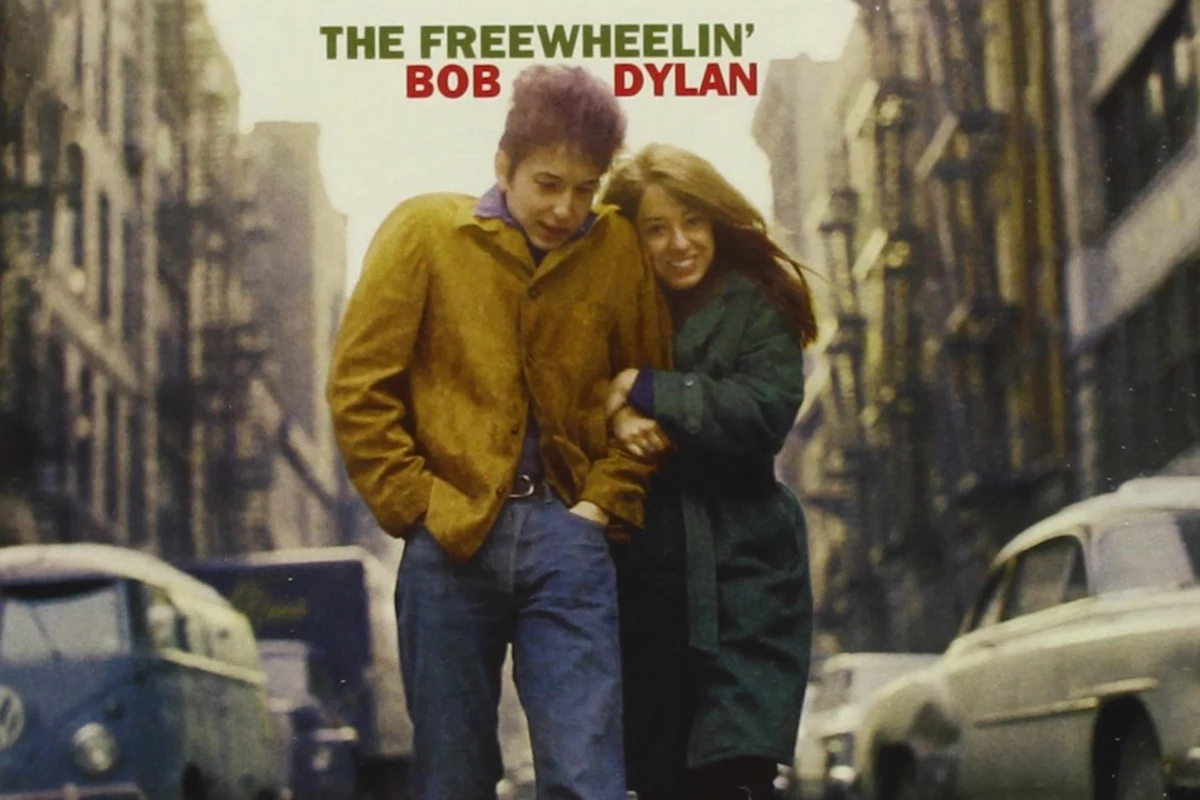
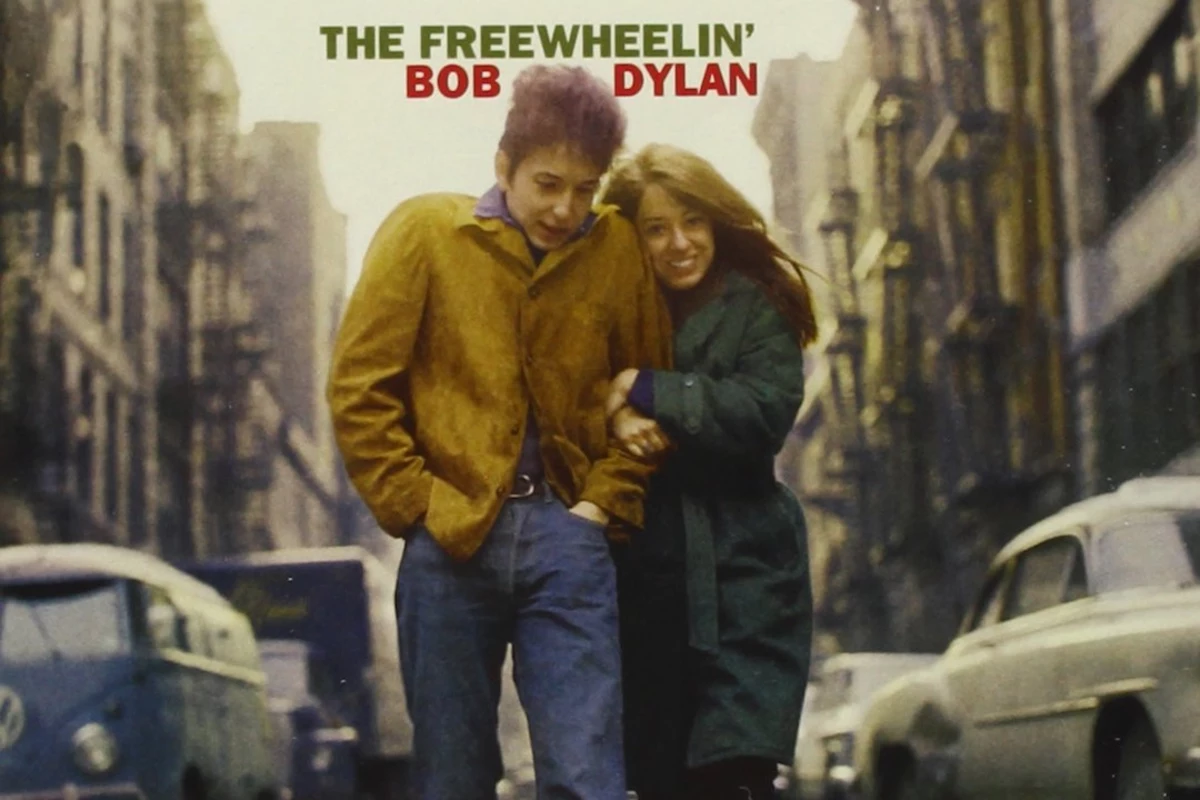
Released in May 1963, The Freewheelin’ Bob Dylan marked Dylan’s breakthrough. Featuring iconic tracks like “Blowin’ in the Wind,” “Don’t Think Twice, It’s All Right,” “Masters of War,” and “A Hard Rain’s a-Gonna Fall,” it showcased his evolution from interpreter to original voice. The album cover, showing Dylan walking arm-in-arm with girlfriend Suze Rotolo on a snowy Village street, became emblematic of the era’s romantic idealism.

“Blowin’ in the Wind” wasn’t an immediate chart-topper for Dylan, but Peter, Paul and Mary’s cover in 1963 propelled it to No. 2 on the Billboard Hot 100. It became a Civil Rights anthem, performed at the March on Washington in 1963. The song’s ambiguity allowed it to transcend specifics, applying to any struggle for justice.
Legacy: Inspiring Generations and Changing Music Forever
More than six decades later, “Blowin’ in the Wind” remains a staple in discussions of songwriting genius. Ranked among Rolling Stone’s greatest songs, it influenced everyone from the Beatles and Joan Baez to modern artists grappling with social issues. Dylan’s Nobel Prize in Literature in 2016 underscored his poetic impact.
The 1962 session exemplified Dylan’s philosophy: songs exist independently, waiting to be channeled. As he once noted, they come quickly in bursts of inspiration. That brief afternoon in New York didn’t just record a song—it captured the winds of change.
Today, as new generations discover Dylan through streaming, documentaries, and bootlegs, the “hidden details”—the spiritual origins, the raw studio vulnerability, the lightning-fast creation—continue to fascinate. In an age of polished productions, the simplicity of that 1962 recording reminds us of music’s power when it’s honest, urgent, and timeless.
Whether you’re a longtime fan revisiting Freewheelin’ or a newcomer drawn to the folk revival’s echoes, one thing is certain: the answer is still blowin’ in the wind. And we’re still listening.