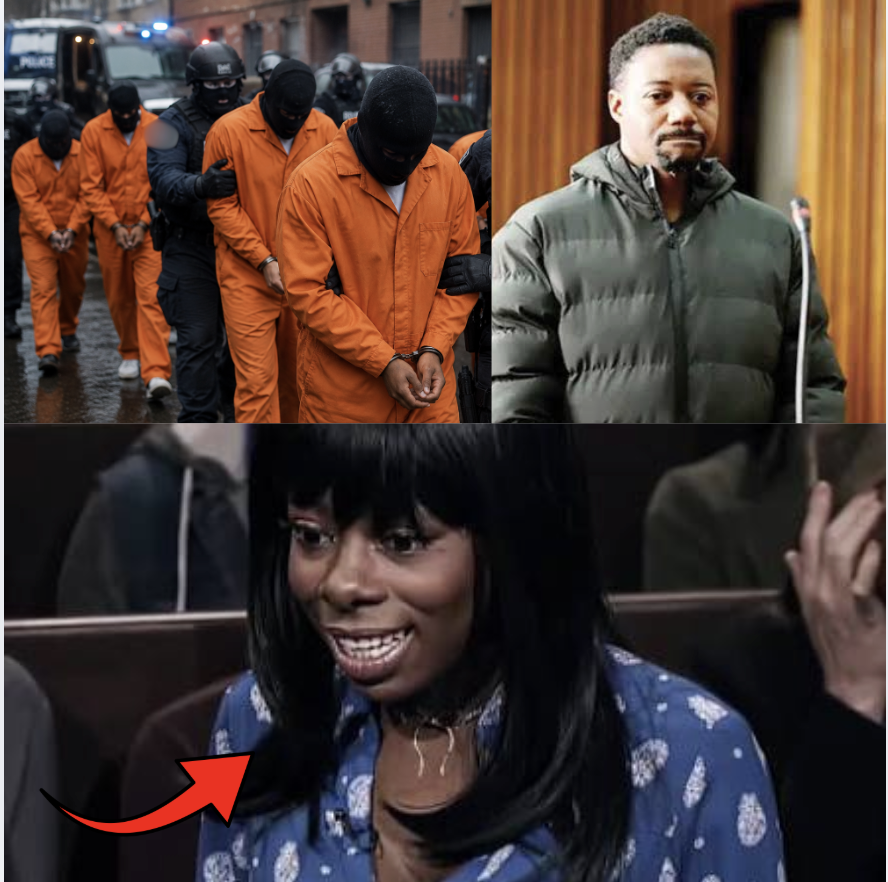
SENSATIONAL BABYSITTER TESTIMONY CLAIMS IN TSHUMA CASE UNFOUNDED
Sensational social media stories alleging that a “young babysitter” took the witness stand to testify about seeing “masked men confronting Ndodana Tshuma’s daughter” are completely fabricated and unsupported by official court transcripts or investigative records.
As pre-trial hearings surrounding the high-profile homicide investigation move forward, state prosecutors, law enforcement authorities, and defense attorneys confirm that no babysitter testimony, masked intruder evidence, or secret eyewitness disclosures have been presented before the court.
Separating Social Media Fiction From Official Evidentiary Records
Viral posts claiming that a dramatic courtroom confession took place—complete with emotional descriptions of a witness hiding in a corner—represent clickbait narratives designed to generate clicks and social media engagement.
In actual legal proceedings involving felony charges, witness statements and testimony must follow strict judicial procedures:
-
Witness Disclosures: Before any witness can testify in open court, their identity, written statements, and deposition summaries must be formally disclosed during pre-trial discovery to both prosecution and defense legal teams.
-
Protection of Evidentiary Integrity: Unannounced “surprise witnesses” describing dramatic, previously unrecorded home invasions are a staple of fictional crime dramas, but do not occur in real-world criminal courtrooms without extensive prior motion practice.
-
Absence of Babysitter Statements: Official police search warrant returns and investigative filings list no records, interviews, or emergency 911 calls from a babysitter alleging masked intruders on the property.
Current Focus of the Investigation
Ndodana Mkhanyisi Tshuma remains in legal custody while pre-trial discovery proceedings continue. Rather than relying on unverified internet theories, the prosecution and defense teams remain focused on forensic, digital, and medical evidence submitted directly to the court clerk.
The primary legal matters currently being addressed in court filings include:
-
Forensic and Digital Evidence Review: Investigators are examining physical evidence recovered from the scene, including mobile location data, communication logs, and ballistics analyses.
-
Medical and Custodial Statements: Following Tshuma’s recent medical emergency and stabilization in an intensive care unit, attorneys are evaluating the legal admissibility of statements made while under guard.
-
Competency and Procedural Motions: Judicial reviews are underway to establish procedural timelines, schedule expert witness evaluations, and set dates for formal preliminary hearings.
The Role of Evidence Rules in Criminal Proceedings
Legal analysts emphasize that online true-crime commentary often exaggerates or invents sensational scenarios—such as secret diaries, hidden recordings, or surprise babysitter accounts—that bear no resemblance to the actual court docket.
Under constitutional rules of criminal procedure, judges evaluate evidence strictly on its authenticity, relevance, and chain of custody. Statements introduced without proper foundational proof or prior notice are inadmissible in a court of law.
The presiding judge has reminded the public and court observers that official case updates are delivered solely through unsealed judicial filings, formal press releases from prosecutors, and sworn testimony recorded in open court. Until formal evidentiary hearings begin, legal observers advise treating sensational social media headlines with extreme skepticism.