CHARLES’S ROYAL MASTER PLAN UNDER SCRUTINY: PRINCESS ANNE’S UNEXPECTED TRIUMPH COULD CHANGE THE CONVERSATION AT BUCKINGHAM PALACE!
King Charles has spent years championing a streamlined monarchy, with fewer senior royals representing the Crown. But a surprising shift in British public opinion could complicate that vision. New YouGov figures reveal that Princess Anne has overtaken both Prince William and Princess Kate in popularity, raising an intriguing question about whether the King’s plans truly reflect what the British public wants from its royal family.
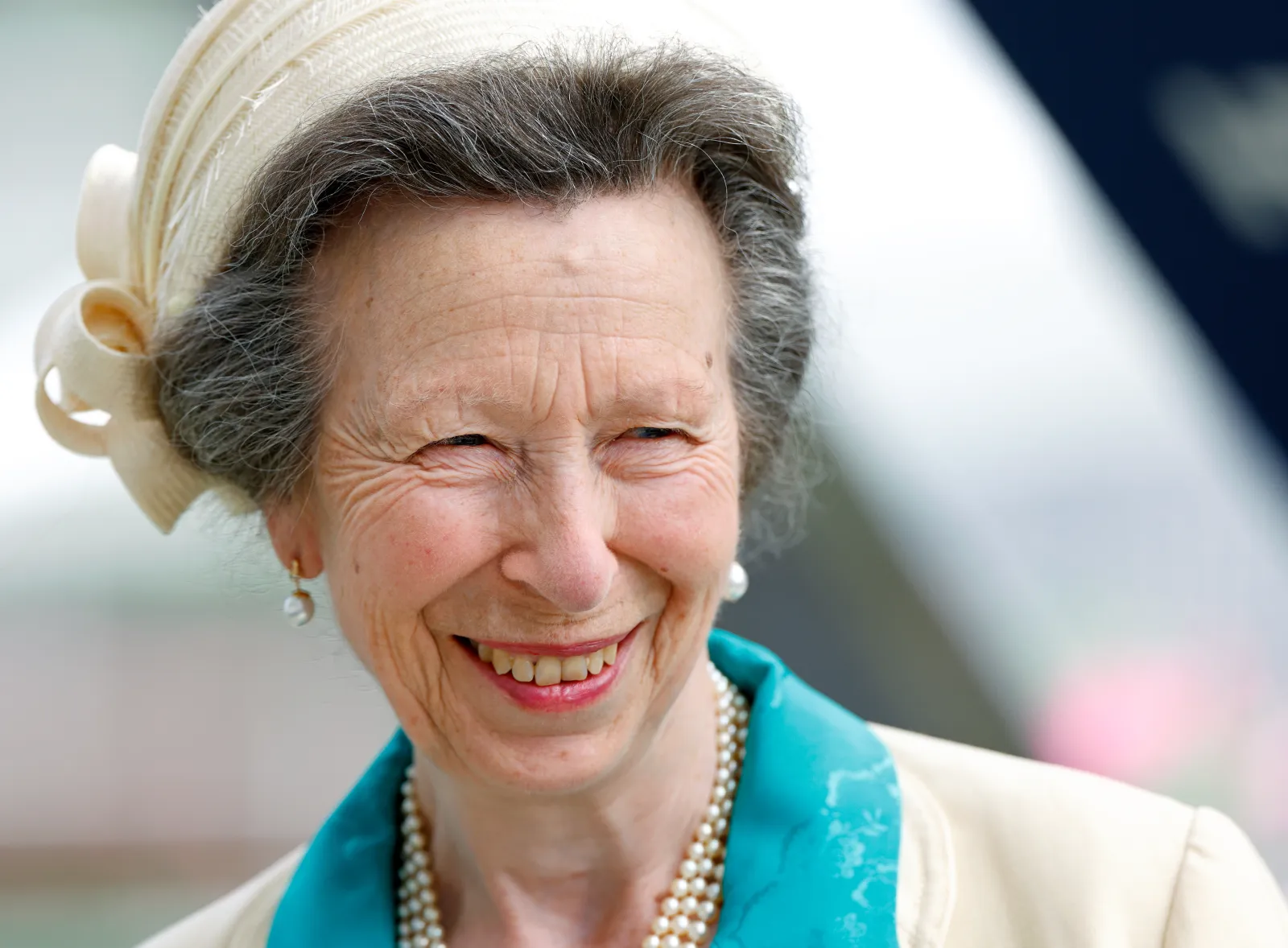
PRINCESS ANNE’S SURPRISE VICTORY CHANGES THE ROYAL CONVERSATION
For years, the Prince and Princess of Wales have been widely regarded as the monarchy’s most dependable public favourites. Their prominent appearances, family image and position as the future king and queen have helped secure substantial public affection.
Yet the latest quarterly YouGov Ratings data tells a different story.
During the first quarter of 2026, Kate enjoyed a remarkable net approval rating of +65, while William followed closely at +65. By the third quarter, however, those figures had slipped to +56 for Kate and +50 for William.
Princess Anne, meanwhile, was moving in the opposite direction.
Her net popularity climbed from +55 to +60, placing her four points ahead of Kate and ten ahead of William.
The results do not suggest that the Waleses have suddenly lost public support. Both remain overwhelmingly more popular than unpopular. Nevertheless, Anne’s unexpected rise challenges the assumption that Britain’s most admired royal must also be among those closest to the throne.
And that distinction could carry particular significance for Charles.
KING CHARLES’S SLIMMED-DOWN MONARCHY FACES AN AWKWARD QUESTION
The King has long supported the idea of a smaller royal institution, concentrating public responsibilities among a limited group of senior family members.
But Anne’s success highlights something that this approach risks overlooking: popularity does not necessarily follow the royal line of succession.
At 76, the Princess Royal represents an older, more traditional model of royal service. Her reputation has been built around decades of official engagements, a practical public image and an approach that rarely places personal drama at the centre of attention.
Now, polling suggests that those qualities continue to resonate strongly with the British public.
Charles himself has experienced an improvement in his standing. His net approval rose from +21 in the first quarter to +31 in the third, suggesting that the King has gained public goodwill even as his son and daughter-in-law have seen their ratings soften.
But Anne’s position at the top introduces a potentially uncomfortable debate.
If a royal outside the direct succession commands the strongest approval, should the monarchy place greater emphasis on experience and established public service rather than simply prioritising its future heirs?
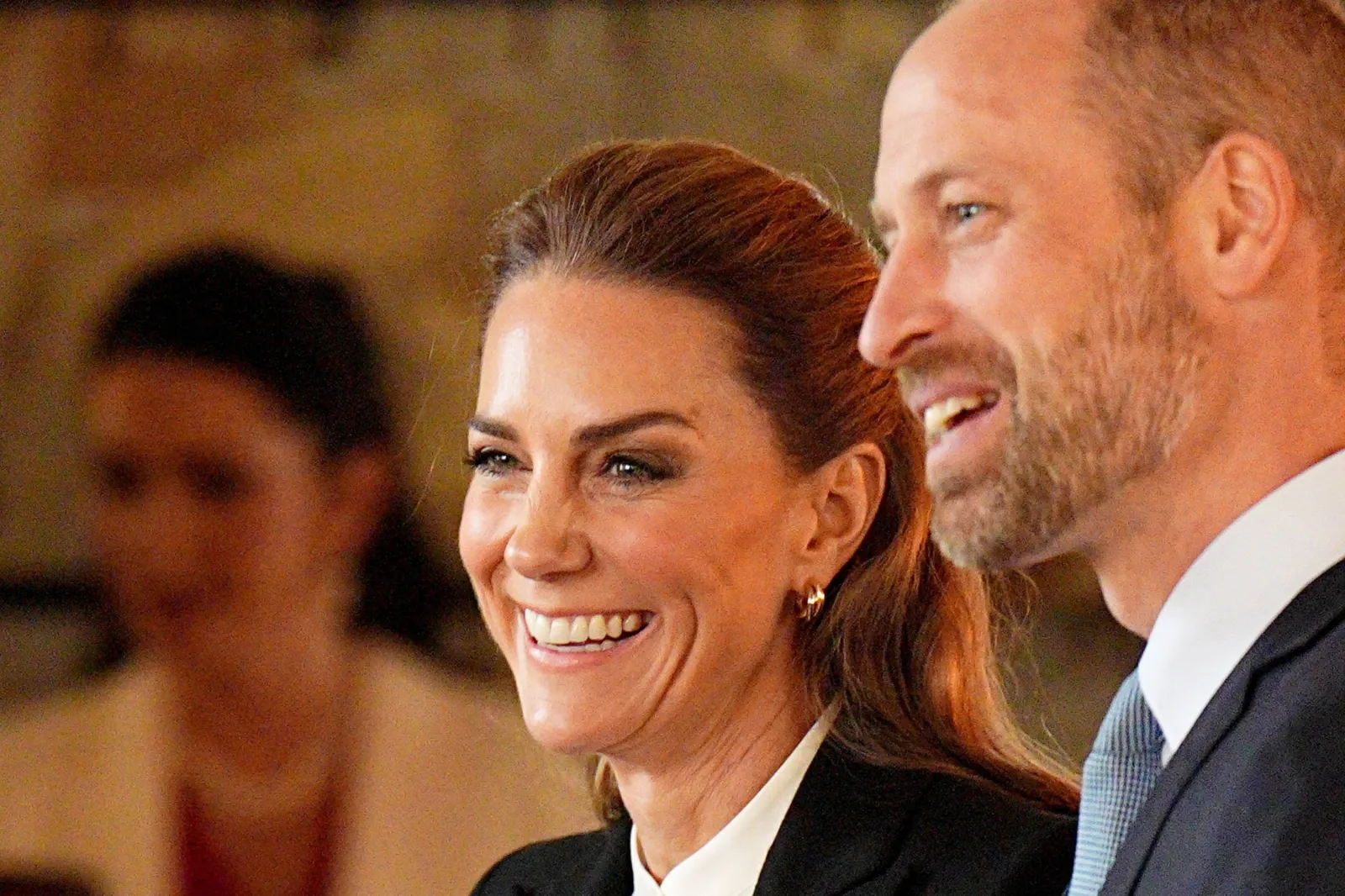
HARRY AND MEGHAN’S NUMBERS ADD ANOTHER TWIST
Meanwhile, Prince Harry and Meghan Markle present a strikingly different picture.
Despite improvements in their British popularity following their August return, both remain considerably less popular than the monarchy’s leading working members.
Harry’s net approval improved from -30 early in 2026 to -12 in the third quarter, representing a notable recovery.
Meghan’s figures were more volatile. Her rating fell to -43 during the second quarter before recovering to -27 in the third.
Although neither has returned to positive territory, their changing numbers demonstrate how quickly public attitudes towards prominent royal figures can shift.
That uncertainty matters for an institution attempting to protect its long-term relevance.
THE UNEXPECTED CHALLENGE AHEAD FOR BUCKINGHAM PALACE
Britain’s relationship with the monarchy has evolved significantly over recent decades. Younger generations have shown changing attitudes towards hereditary institutions, while debates about the royal family’s future continue.
William and Kate could certainly regain their leading positions in subsequent surveys. Quarterly polling captures changing public sentiment rather than delivering a permanent verdict.
Nevertheless, Anne’s rise offers a fascinating contrast between the monarchy’s carefully planned future and the qualities its supporters currently admire.
For Charles, the dilemma may not be about choosing between his sister and his son. It may instead concern how a smaller monarchy can preserve the experience, continuity and public trust that figures such as Anne appear to represent.
And as Buckingham Palace looks towards the next generation, one uncomfortable question remains: if Britain’s most popular royal is neither its reigning monarch nor its future king, what does that reveal about the royal family’s carefully constructed plans for the years ahead…