FROM “INACTIVE ROYALS” TO “GLOBAL ICONS”: King Charles has drawn a firm line in the sand, maintaining that Harry and Meghan are now strictly private citizens without any official royal duties upon their return to the UK. However, the Sussexes are reportedly fighting back, claiming their massive international presence makes that classification completely impractical. Now, as Harry confirms a series of major public engagements across the UK, this latest showdown suggests the real conflict isn’t over royal titles—it’s over who ultimate dictates the Sussexes’ role in Britain…
A fresh debate over Prince Harry and Meghan Markle’s position within the British monarchy has reignited questions about royal authority, international celebrity and whether stepping away from official duties truly means leaving royal influence behind.
King Charles III faces a delicate balancing act as speculation grows over how the Duke and Duchess of Sussex should be treated during future visits to Britain. Although Harry and Meghan no longer serve as working members of the Royal Family, their international prominence continues to generate extraordinary public attention.
At the centre of the controversy lies a fundamental distinction: Harry remains a prince by birth, and the couple retain their Duke and Duchess of Sussex titles, but neither holds an active role representing the monarchy.
The suggestion that the King intends to maintain a strict separation between official royal responsibilities and the Sussexes’ independent activities has fuelled renewed discussion. However, there has been no verified public confirmation of a new royal directive specifically redefining the couple as private citizens.
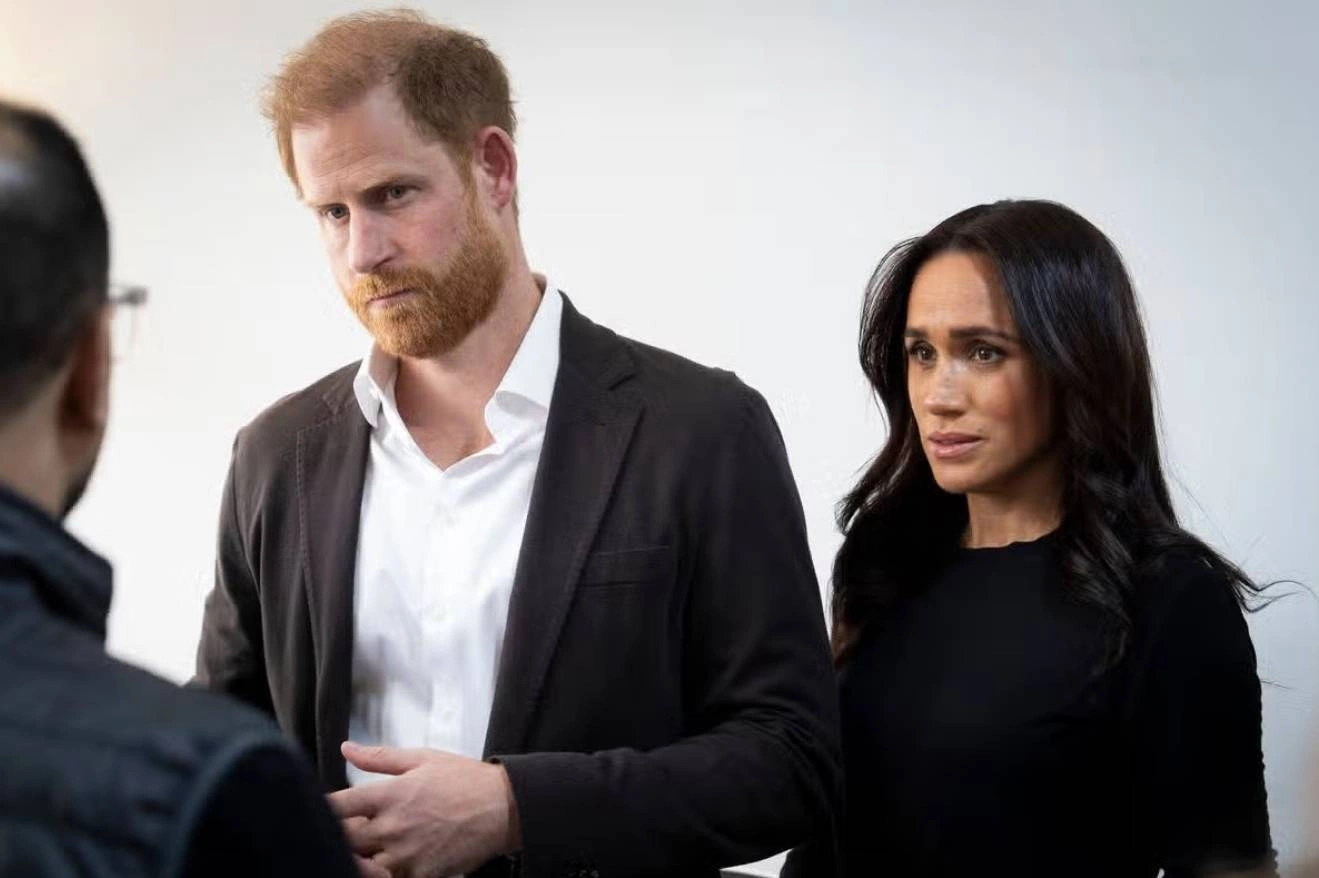
THE ROYAL DIVIDE THAT REFUSES TO DISAPPEAR
Since stepping back from senior royal duties, Harry and Meghan have established an independent public identity through charitable initiatives, commercial partnerships and international appearances.
Their departure created an unusual situation for the monarchy. Although the couple no longer undertake official engagements on behalf of the Crown, their royal connections remain central to public interest in their activities.
This distinction becomes particularly significant whenever Harry returns to Britain.
His appearances at charitable events, public gatherings and initiatives associated with causes he has supported for years can attract considerable media coverage, even without formal royal backing.
Yet public visibility is not the same as constitutional authority.
The monarchy operates through established responsibilities and official representation, while Harry and Meghan pursue activities independently.
For Buckingham Palace, maintaining that boundary is important to avoiding confusion about who speaks for the institution.
FROM INACTIVE ROYALS TO GLOBAL CELEBRITIES
The Sussexes’ international profile presents a different dimension to the debate.
Their supporters argue that Harry and Meghan possess a global platform that extends well beyond traditional royal engagements. Through advocacy, entertainment projects and charitable work, they continue to reach audiences across multiple countries.
Critics, however, maintain that international recognition does not automatically justify renewed official standing within the monarchy.
The disagreement illustrates how dramatically the couple’s circumstances have changed.
They are no longer bound by the daily responsibilities of working royals, yet their appearances can still generate the kind of attention traditionally associated with senior members of the Royal Family.
Claims that the Sussexes are actively challenging a new classification imposed by Charles remain unverified. Nevertheless, the broader tension between their independent status and continuing royal identity is real.
HARRY’S UK APPEARANCES PUT THE SPOTLIGHT BACK ON THE PALACE
Harry’s continued involvement in British charitable causes ensures that his relationship with his home country remains an important public issue.
His work with initiatives supporting veterans, seriously ill children and other charitable communities demonstrates that leaving official royal service did not mean abandoning every commitment established during his earlier life.
However, any suggestion that upcoming engagements represent a coordinated challenge to the King would require independent confirmation.
A public appearance by Harry does not, by itself, indicate a dispute with Buckingham Palace or an attempt to reclaim official duties.
What it does reveal is the unusual position he occupies: a royal family member whose public influence exists largely outside the institution into which he was born.
THE REAL QUESTION IS BIGGER THAN ROYAL TITLES
For Charles, the challenge is preserving a clear distinction between family relationships and institutional responsibilities.
For Harry and Meghan, the issue concerns how they maintain their independent identities while continuing to be associated with one of the world’s most recognisable families.
Neither global popularity nor inherited titles automatically grants authority to represent the Crown.
And while speculation about another confrontation may dominate headlines, the central question remains unresolved in public debate: how much influence can the Sussexes exercise in Britain without holding an official royal role?
The answer may ultimately depend less on another palace announcement than on how the public, the monarchy and the Sussexes themselves navigate that increasingly complicated boundary.