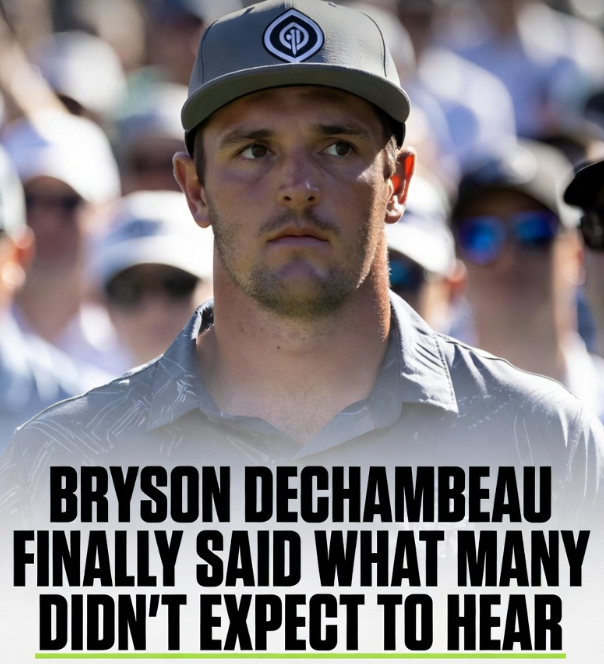
BRYSON DECHAMBEAU FINALLY SAID WHAT MANY DIDN’T EXPECT TO HEAR
In the high-stakes world of professional golf, where narratives shift faster than a 350-yard drive, Bryson DeChambeau has always been a polarizing figure. The two-time U.S. Open champion, known for his scientific approach to the game, muscular physique, and unapologetic ambition, has recently found himself under intense scrutiny. After missing his third consecutive major championship cut in 2026—a first in his professional career—DeChambeau chose transparency over deflection in a candid YouTube video that has sparked widespread discussion.
The Harsh Reality of Recent Form
The 2026 major season has been a stark departure from DeChambeau’s previous successes. He missed the cut at the Masters after a dramatic collapse on the 18th hole, posting rounds that left him on the wrong side of the weekend. The PGA Championship followed a similar script, with another early exit. Then came the U.S. Open at Shinnecock Hills, where hopes of a resurgence were dashed once more.
In his YouTube video titled “I’ve missed 3 straight cuts… let’s talk about it,” DeChambeau didn’t mince words. “Not good enough golf,” he stated plainly. “It ultimately comes down to me making better decisions, being more comfortable over the golf ball, and getting my iron play better.”
This level of self-accountability was not what many critics anticipated. In an era where athletes often point to external factors—equipment, conditions, or luck—DeChambeau owned the shortcomings. Across the three majors, he was a combined 18-over par, a statistic that underscores the depth of his current slump.
For a player who revolutionized his body and swing to gain distance and power, the struggles with iron play and decision-making represent a significant pivot point. Golf, as DeChambeau has often noted, is a game of precision as much as power, and the fine margins at major venues have exposed vulnerabilities in his current setup.
From Major Contender to “The Worst”
DeChambeau’s reflections in the video carry a poignant awareness of how quickly perceptions can change in sports. “Just last year, this time, before the U.S. Open, I was one of the best major championship performers in the world. Come one year later, everybody says I’m the worst,” he remarked.
This isn’t hyperbole. In 2024, DeChambeau captured his second U.S. Open title in dramatic fashion at Pinehurst, cementing his status as a clutch performer under pressure. His victory over Rory McIlroy in a thrilling finish was a career highlight, blending raw power with resilient short-game execution. Exemptions from that win provide him security in future majors, but they don’t shield him from the immediate sting of poor form.
The narrative shift has been fueled by social media and golf pundits alike. LIV Golf loyalists and traditional PGA Tour fans have debated whether his commitments outside competitive play are diluting his focus. Yet DeChambeau remains philosophical: “It just is what it is. Life, it’s golf. Things don’t always go your way… Keep going.”
This resilience echoes the mindset that helped him transform from a slender, traditional player into a bulked-up bomber who challenged long-standing conventions of the sport.
Addressing the YouTube Criticism
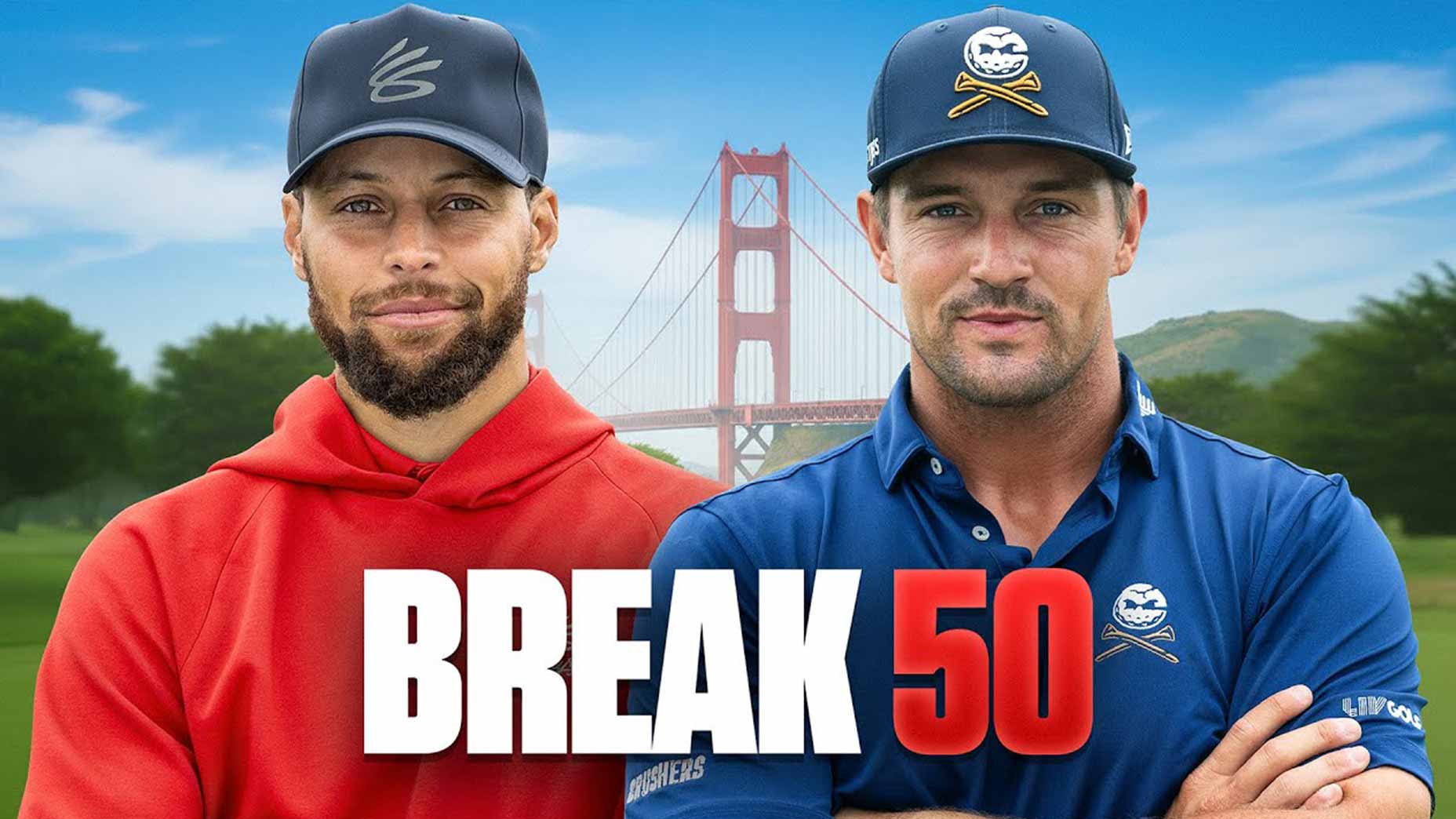
One of the most discussed elements surrounding DeChambeau’s recent struggles is his burgeoning YouTube career. With millions of subscribers, his channel features everything from high-stakes challenges like “Breaking 50” scrambles to in-depth golf instruction and personal vlogs. Critics have argued that this content creation diverts energy from tournament preparation.
DeChambeau directly confronted this in his video and past interviews. Despite the backlash, he insisted his commitment to golf has never been stronger. “I’ve been working harder on my game this past year after the Masters than I have in the past three or four years.”
His YouTube output isn’t mere distraction; it’s part of a broader vision. DeChambeau has spoken about potentially tripling his audience and exploring global reach through dubbing and diverse content. In a landscape where player branding and fan engagement are increasingly vital, especially within the LIV Golf ecosystem, this dual focus represents a modern athlete’s strategy. Yet it comes with trade-offs, as the demands of filming, editing, and engaging audiences compete with the solitary grind required for elite performance.
Many fans appreciate the authenticity. His videos offer rare behind-the-scenes access to a major champion’s mindset, practice routines, and even vulnerabilities—content that humanizes a figure often viewed as eccentric or overly analytical.
A Career Defined by Evolution and Controversy
To fully understand DeChambeau’s current chapter, one must revisit his journey. Drafted from SMU, he turned pro in 2016 and quickly made waves with a single-length iron setup inspired by physics and biomechanics. His 2020 U.S. Open win at Winged Foot, played under unique pandemic conditions, showcased his power game at its peak.
The bulk-up phase drew both admiration and skepticism. DeChambeau’s scientific approach—measuring launch angles, spin rates, and optimizing every variable—earned him the nickname “The Mad Scientist.” It paid dividends but also invited scrutiny, particularly when paired with his outspoken nature and move to LIV Golf.
LIV Golf itself has been a lightning rod. Joining the Saudi-backed league provided financial security and a team environment with the Crushers, but it distanced him from the traditional PGA Tour calendar. Questions about divided loyalties and schedule impacts persist, though DeChambeau has consistently performed at a high level in LIV events.
His personality amplifies everything. From embracing the “Hulk” persona to engaging directly with fans and critics, DeChambeau rarely shies away from the spotlight. This transparency, evident in his recent video, is a double-edged sword: it builds connection but exposes every dip in form to immediate analysis.
What Lies Ahead: Lessons and Optimism
Missed cuts in majors are not career-enders—golf’s history is filled with champions who endured slumps before roaring back. DeChambeau’s self-diagnosis points to actionable areas: better course management, iron consistency, and mental comfort under pressure. His history of reinvention suggests he possesses the tools and work ethic to adapt once more.
For younger players and amateurs, his openness offers valuable lessons. Golf rewards humility and persistence. As DeChambeau noted, external noise fades when the focus returns to fundamentals. His harder work post-Masters indicates a renewed dedication that could bear fruit in upcoming events.
The golf world will be watching closely. Can DeChambeau recapture the magic that propelled him to back-to-back major contention? Or will the demands of content creation and evolving game require a strategic recalibration? His refusal to make excuses signals maturity, but results will ultimately define the next phase.
In the unpredictable arena of professional golf, where one year separates hero from question mark, Bryson DeChambeau’s story remains compelling. He’s not just swinging clubs—he’s navigating the complexities of fame, performance, and personal evolution in real time. As he himself said, you keep going. For fans and critics alike, that journey is far from over.