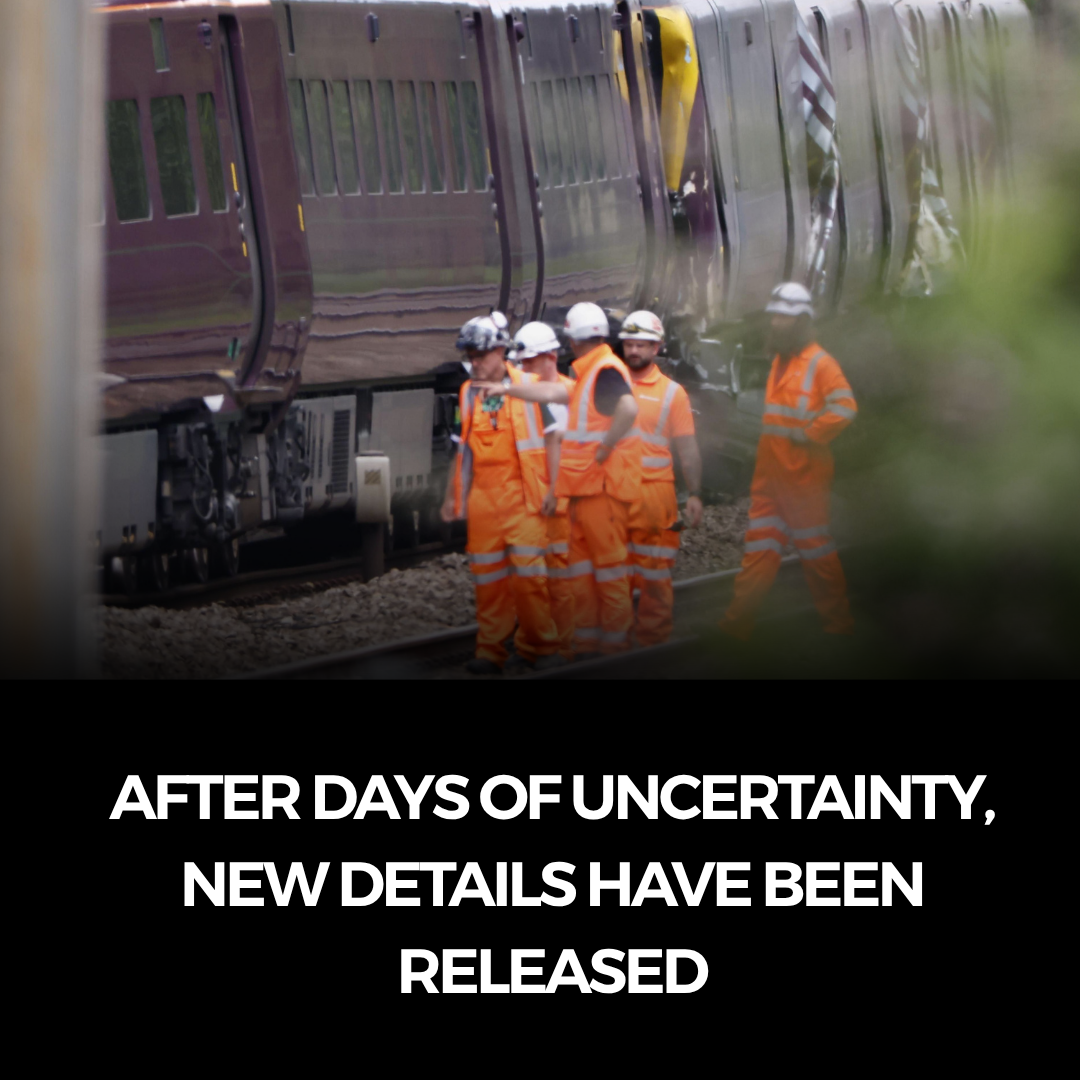
AFTER DAYS OF UNCERTAINTY, NEW DETAILS HAVE BEEN RELEASED
In a heartening update that brings a glimmer of hope amid the tragedy, authorities have confirmed that every passenger injured in the devastating Bedford train crash on June 19, 2026, is no longer in critical condition. This positive development, announced on July 7, 2026, marks a significant milestone in the recovery of those affected by one of the most serious rail incidents in the UK in recent years.
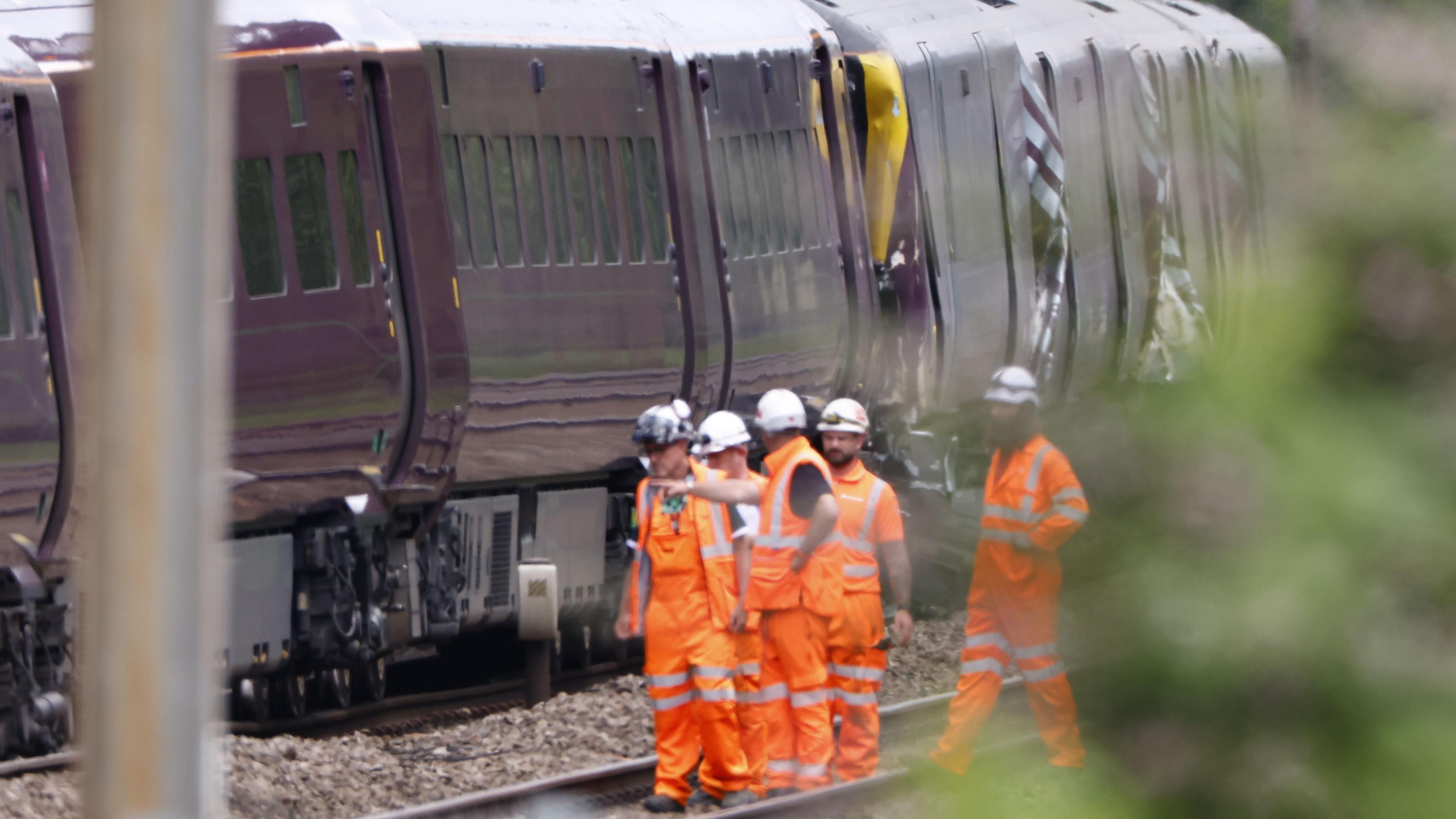
The collision, which occurred on the Midland Main Line near Elstow, approximately 2.5 miles south of Bedford station, involved two East Midlands Railway (EMR) services both bound for London St Pancras. The crash claimed the life of one train driver and left over 160 people injured, with more than 100 requiring hospital treatment. For nearly three weeks, families, survivors, and the wider community held their breath as medical teams fought to stabilize the most severely hurt.
The Day of the Crash: A Routine Journey Turns Deadly
On Friday, June 19, 2026, the afternoon rush was underway as passengers settled in for their journeys toward the capital. Train 1H46, the 16:40 service from Corby to London St Pancras—a four-carriage unit—departed Bedford station around 17:10. Meanwhile, Train 1B67, the 15:50 service from Nottingham, had stopped unexpectedly on the tracks ahead.
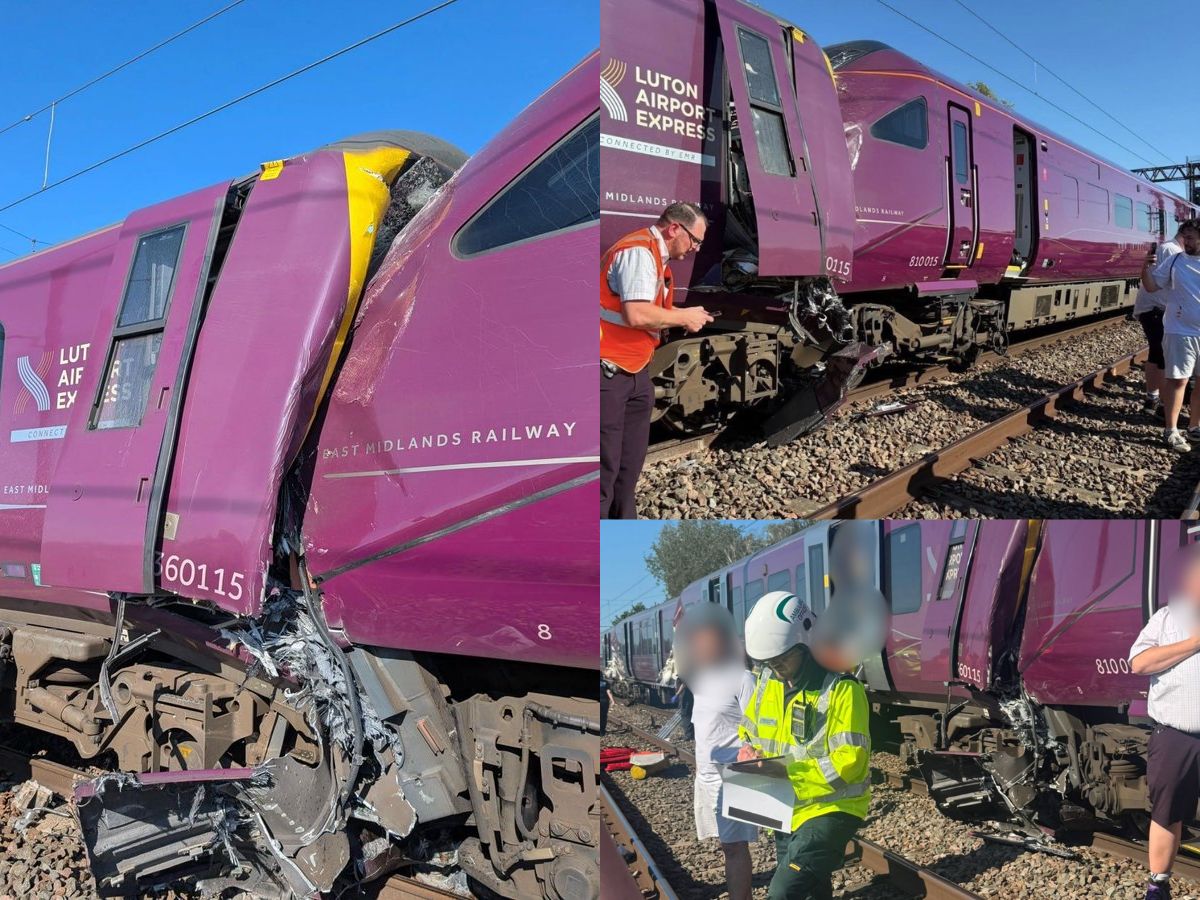
According to the interim report from the Rail Accident Investigation Branch (RAIB), the Corby train passed a red signal moments before the impact. Brakes were applied just nine seconds prior to the collision, with the train traveling at 76 mph initially and striking the stationary Nottingham service at 49 mph. The front of the Corby train was severely crushed in the high-impact smash.
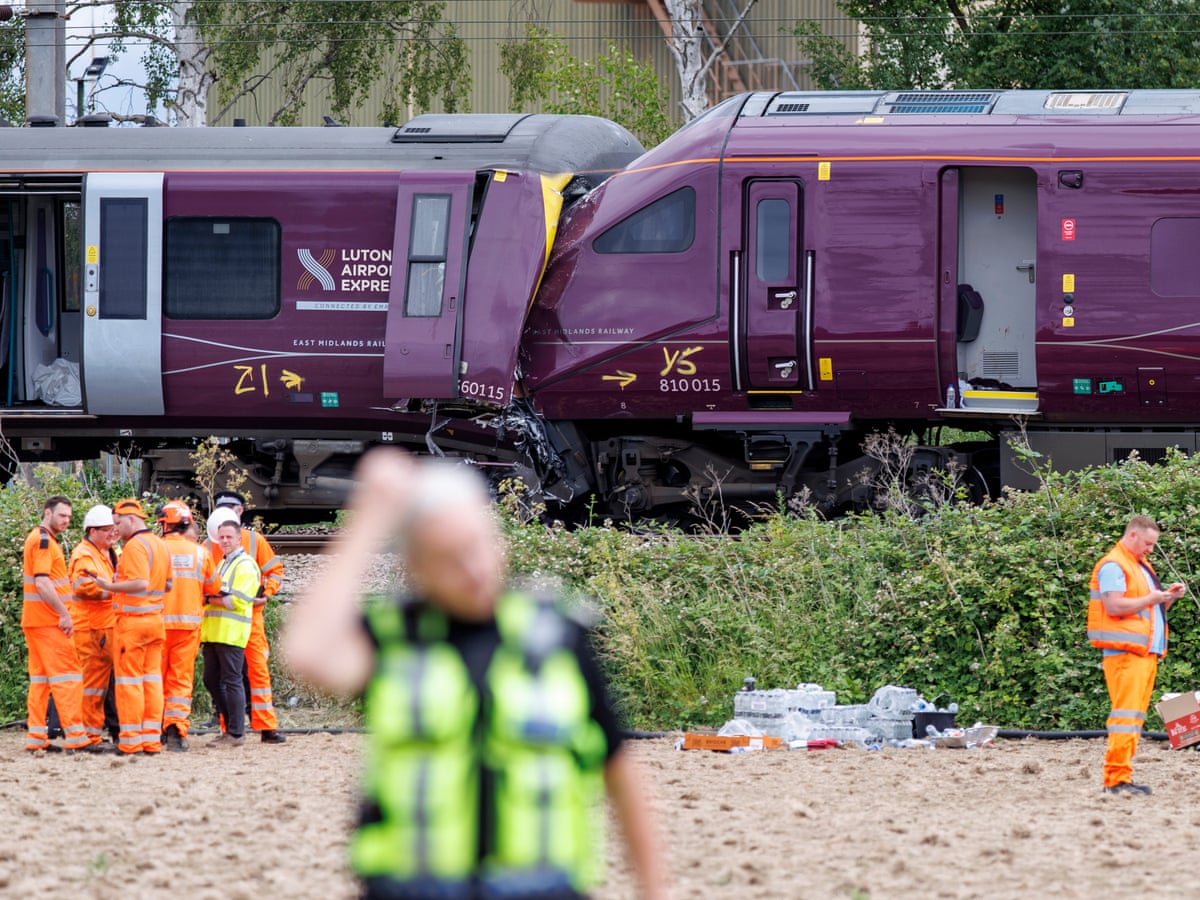
Emergency services rushed to the scene, declaring a major incident. The scale of the response was immense, involving multiple ambulance teams, air ambulances, fire crews, and police. Witnesses described scenes of chaos, with passengers helping each other amid twisted metal and debris. Magpas Air Ambulance, which deployed 10 medical team members, had prepared for up to 20 fatalities—a sobering indication of the potential severity.
Tragically, Shaun Burton, 60, the driver of the Corby train, lost his life in the collision. A former parish and district councillor for The Stukeleys in Cambridgeshire, Mr. Burton was remembered by his family as a “devoted husband, father, and grandfather.” His death has left a profound void, and an inquest is scheduled to open on July 14 in Ampthill, Bedfordshire.
The Human Toll: Injuries and Hospital Updates
Initial reports painted a grim picture. In the immediate aftermath, nine passengers were in critical condition, with 28 others hospitalized. Over the following days and weeks, these numbers fluctuated as patients were treated for a range of injuries—from fractures and internal trauma to shock and minor wounds. By June 22, 53 people remained in hospital, with eight still critical. Progress was steady but cautious.
British Transport Police and hospital trusts provided regular briefings, emphasizing the dedication of frontline medical staff. Families waited anxiously for news, some keeping vigil at bedsides, others coordinating support from afar. The total number of injured reached 162, with 102 needing hospital care. Many suffered “very serious” or serious injuries, including those requiring intensive interventions.
The July 7 update from ITV News and British Transport Police brings collective relief: all passengers are now out of critical care. While some continue to receive treatment and rehabilitation, the absence of life-threatening cases represents a major turning point. This news will undoubtedly provide comfort to the hundreds impacted, including loved ones who have endured sleepless nights since the crash.
Investigation Underway: What Caused the Collision?
The RAIB’s ongoing investigation is crucial for preventing future tragedies. The interim findings highlight that the Nottingham train stopped due to a fault in its warning system equipment. Questions remain about the signal passed by the Corby train and the driver’s response to the Automatic Warning System (AWS). Data from the front of the Corby unit is still being analyzed after recovery challenges, including the construction of a temporary access road.
Broader questions about rail safety have emerged. The incident has prompted discussions on signaling systems, train protection technologies, and operational protocols on busy lines like the Midland Main Line. Network Rail and EMR are cooperating fully, with experts examining everything from maintenance records to human factors.

Transport Secretary and other officials have expressed condolences and committed to learning lessons. The full RAIB report, expected in due course, will likely include recommendations that could influence national rail policy.
Community Response and Tributes
The Bedfordshire community has shown remarkable resilience and solidarity. Local residents, businesses, and organizations offered support—providing food, temporary accommodation, and counseling. Vigils and memorial events honored Mr. Burton and supported survivors.

Rail services were disrupted for days, affecting commuters and highlighting the interconnectedness of the network. Recovery operations involved complex engineering to clear wreckage and restore the line, with overhead equipment dismantled and tracks repaired.
Survivors’ stories are beginning to emerge: passengers describing the sudden jolt, the sound of metal grinding, and acts of heroism in the carriages. Many have spoken of the professionalism of train crew and emergency responders who worked tirelessly in difficult conditions.
A Long Road to Recovery
While the critical phase has passed for passengers, recovery will be ongoing. Physical injuries may require physiotherapy, surgeries, or long-term care. Psychological trauma—PTSD, anxiety, fear of travel—will affect many. Support services, including those from the NHS and charities like the British Red Cross or rail-specific victim support groups, will play a vital role.
For the family of Shaun Burton, the pain remains acute. His legacy as a public servant and family man endures through tributes and the knowledge that his dedication to his role touched many lives.
Looking Ahead: Safer Rails for All
The Bedford crash serves as a stark reminder of the vulnerabilities in even the most advanced transport systems. As investigations continue, the hope is that meaningful changes will emerge—whether enhanced automation, better fault detection, or improved training—to ensure such a loss is never repeated.
In the meantime, the news on July 7 offers a moment of cautious optimism. Passengers who faced the unthinkable are on the path to healing. Communities are rallying, and the rail industry is under scrutiny to deliver accountability and improvement.
This incident, while tragic, also underscores the strength of the human spirit: emergency workers risking everything, medical teams performing miracles, families supporting one another, and survivors finding ways to move forward. As the full picture of the Bedford train collision becomes clearer, the focus remains on honoring the lost, aiding the injured, and striving for a safer future on Britain’s railways.