THE PHANTOM WITNESS HOAX: DECONSTRUCTING DISINFORMATION IN THE LINDSAY CLANCY CASE
Deconstructing the Clickbait Teaser
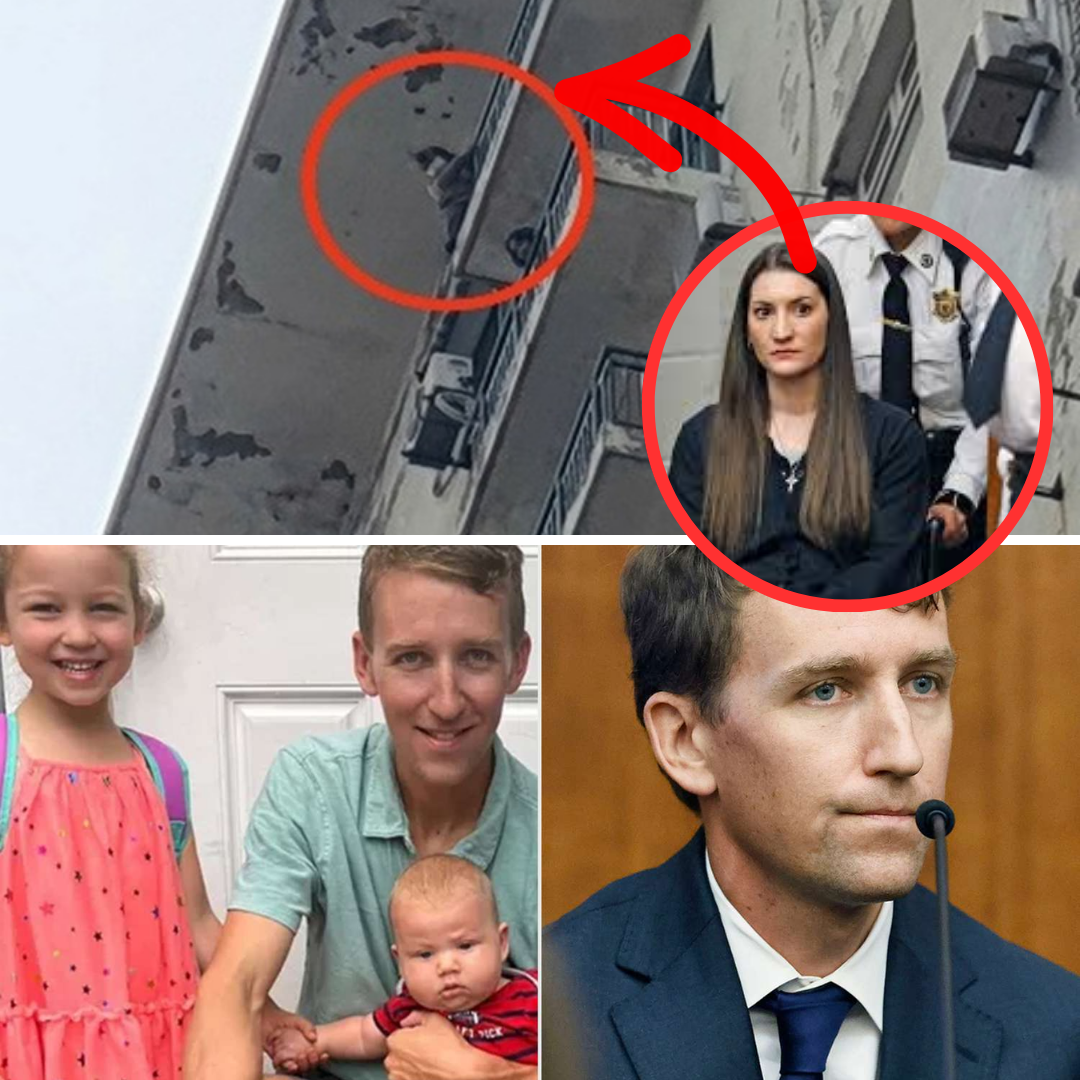
A dramatic social media post recently began circulating across true-crime online communities, bearing the header: “🚨 MYSTERY WOMAN SPARKS NEW ONLINE SPECULATION IN THE LINDSAY CLANCY CASE.” The post claimed that an “alleged recording” showing an “unidentified woman near the scene” had triggered intense online discussion. According to the caption, commentators alleged this mysterious figure “appeared to watch silently as events unfolded,” while unverified claims regarding a “possible connection to Patrick Clancy” spread rapidly across social platforms. Concluding with a classic cliffhanger hook—”one detail circulating online has now drawn even more attention… 👉 Read more below”—the teaser promised shocking revelations to anyone who clicked.
Despite its suggestive tone and mysterious framing, this entire story is a complete digital fabrication. There is no unidentified woman, no mysterious recording from the scene, and no evidence of any unknown spectator connected to Patrick Clancy. Instead, this viral post represents a familiar pattern of online engagement farming: taking a deeply tragic, high-profile court trial and manufacturing phantom conspiracies to exploit public curiosity for web traffic and advertising revenue.
The Forensic Facts vs. Manufactured Conspiracies
To understand the deceptive nature of the “mystery woman” rumor, one must contrast its speculative claims with the verified facts presented before Plymouth Superior Court in Massachusetts.
The trial of Lindsay Clancy—who was charged in connection with the deaths of her three young children, Cora, Dawson, and Callan, in Duxbury, Massachusetts—has been subject to exhaustive forensic scrutiny by state police, homicide detectives, and crime scene technicians. The real-world evidentiary record establishes several clear facts:
-
No Third-Party Presence: Law enforcement and emergency responders confirmed that no third party—male or female—was present at or near the residence during the tragedy.
-
Exhaustive Digital and Physical Forensics: Search warrants executed on cell phones, home computers, digital cameras, and neighborhood surveillance systems yielded no evidence of an unknown woman observing the home or communicating with anyone involved.
-
Clinical Focus of the Trial: The legal proceedings center on Lindsay Clancy’s mental state—specifically whether she was suffering from severe postpartum psychosis and depression, or whether she retained criminal responsibility.
At no point during weeks of sworn testimony from psychiatric experts, medical personnel, first responders, or family members has any “mystery woman” or unexplained onlooker ever been introduced into evidence.
The Mechanics of ‘Phantom Witness’ Clickbait
The creation and rapid spread of the “mystery woman” rumor illustrate the deliberate strategies used by automated content aggregators and digital true-crime channels.
Digital publishers employ specific structural tactics to monetize public fascination with ongoing criminal cases:
1. The ‘Phantom Witness’ Archetype
Introducing a mysterious, silent observer is a classic narrative trope drawn from thriller fiction. By suggesting an unidentified woman watched events unfold, clickbait creators transform a tragic medical and legal case into an eerie mystery. This appeals to scrollers primed by true-crime podcasts and urban legends.
2. Inventing Conspiracies Around Patrick Clancy
True-crime content mills frequently target Patrick Clancy with fabricated subplots—inventing fictional “secret wives,” “hidden accomplices,” or “unidentified lovers.” Framing an unknown figure as having a “possible connection to Patrick Clancy” feeds gossip algorithms and prompts heated debate in comment sections, artificially boosting social media reach.
3. Cliffhangers and Traffic Arbitrage
Phrases like “one detail circulating online has now drawn even more attention…” paired with “👉 Read more below” are calculated engagement traps. The attached links do not lead to court documents or legitimate news broadcasts; instead, they route scrollers through URL shorteners to ad-cluttered websites where site owners collect pay-per-click revenue.
The Real-World Harm of Trial Disinformation
While clickbait about fictional entertainment is largely harmless, fabricating conspiracies around real-life murder trials carries severe real-world consequences.
-
Inflicting Pain on Surviving Family Members: For Patrick Clancy and his extended family, who have endured unimaginable personal loss, the constant proliferation of false claims, invented mistresses, and malicious rumors inflicts ongoing emotional distress.
-
Distorting Perinatal Mental Health Education: The Lindsay Clancy case has highlighted the complex issues surrounding postpartum psychosis, severe maternal depression, and healthcare gaps. Replacing clinical realities with sensationalized fictions about “mystery watchers” distracts from vital public education on maternal mental health.
-
Polluting Public Discourse During Legal Proceedings: When false rumors circulate online while a jury deliberates or a community observes court proceedings, it pollutes public perception and fosters conspiracy theories that undermine trust in the judicial process.
Navigating True-Crime News with Digital Literacy
The viral “mystery woman” teaser serves as a clear reminder of the importance of media literacy when consuming legal coverage online.
To separate factual reporting from manufactured clickbait, digital audiences should follow basic verification principles:
-
Rely on Accredited News Sources: Significant developments in high-profile trials are reported by accredited legal journalists and established news organizations (such as Boston 25 News, CBS Boston, or The Associated Press). If a dramatic claim appears solely in an unverified social media post, it is false.
-
Recognize Formulaic Clickbait Markers: Headlines featuring mysterious figures, vague references to “alleged recordings,” and high-pressure calls-to-action like “Read more below” are hallmark indicators of engagement farming.
-
Refrain from Sharing Unverified Claims: Avoid commenting on or sharing posts that lack verified sources, as algorithmic engagement amplifies fake news across wider networks.
Justice in the Lindsay Clancy case is determined by sworn evidence, psychiatric evaluation, and judicial process inside a court of law. Recognizing the line between authentic legal reporting and algorithmic fiction is essential to treating real-world human tragedies with truth and dignity.