
America Is Asking: How Could 16 Children Vanish in Plain Sight? The Shocking Ohio House of Horrors Case
In a quiet rural corner of Vinton County, Ohio, a discovery that has stunned the nation unfolded on June 30, 2026. Authorities executing a search warrant for an unrelated matter stumbled upon something unimaginable: 16 children living in conditions described as “deplorable,” “horrendous,” and reminiscent of a “third-world country.” Confined mostly to a single 12-by-12-foot room contaminated with human waste, the children—ranging in age from 18 months to 18 years—had apparently gone undetected by schools, healthcare providers, and neighbors for years.
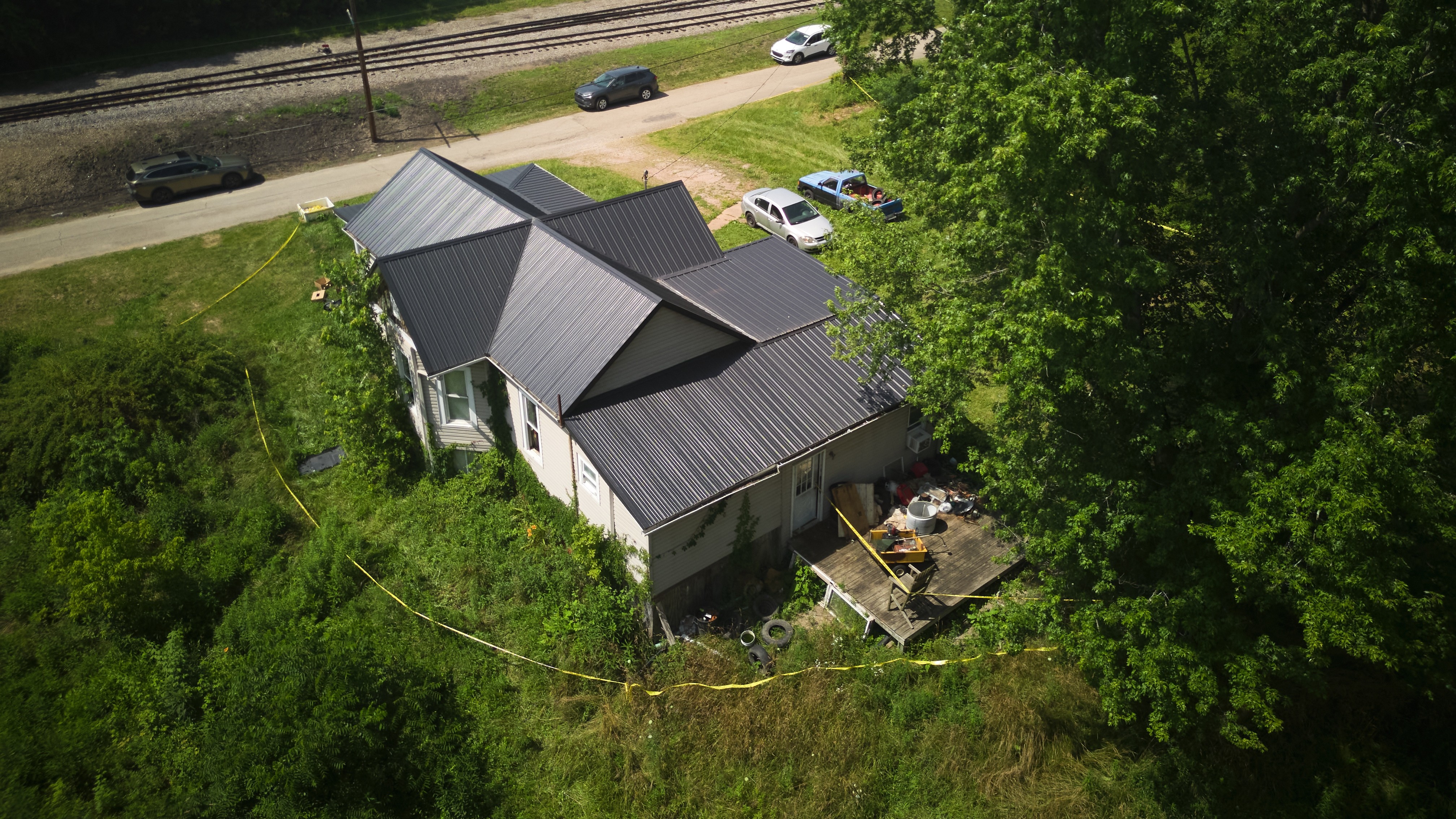
This case has ignited nationwide outrage and intense scrutiny. How could so many young lives remain hidden in modern America? As investigators dig deeper, questions mount about systemic failures in child welfare, family isolation, and community oversight. The four adults now facing felony charges—Gary Siders Sr., Gary Siders Jr., Elizabeth Siders, and Christina Siders—have pleaded not guilty, but the horror inside their Hamden home has left an indelible mark.

The Discovery That Shocked a Community
On that fateful Tuesday, Vinton County Sheriff’s deputies and the Ohio Bureau of Investigation arrived at a modest home on Omar Street in Hamden, a small village in one of Ohio’s least populated counties. What they found defied comprehension. The children, officials said, were in various states of distress. Some required hospitalization, with at least one flown by medical helicopter to a trauma center. Descriptions from authorities paint a picture of extreme neglect: filth, lack of basic sanitation, and children who appeared “almost feral” due to prolonged isolation.
Ohio Attorney General Andy Wilson, Vinton County Sheriff Ryan Cain, and Prosecutor William Archer held joint press conferences detailing the grim scene. “Most of our livestock was kept in better conditions than the children,” Sheriff Cain reportedly remarked. The family had lived in the area for approximately four years, with ties to nearby counties and even Wisconsin. Neighbors expressed disbelief—they had no idea so many children were present.

The adults arrested include what authorities believe to be the grandparents (Gary Sr. and Christina) and the parents (Gary Jr. and Elizabeth). Each faces multiple counts of second-degree felony child endangerment, carrying potential prison sentences of 2 to 12 years per count. Bonds were set at $300,000 each, with no-contact orders issued.
How Did This Happen? Experts Weigh In on Systemic Blind Spots
Child welfare experts are now examining how such a large family could evade detection for so long. In rural areas like Vinton County (population under 13,000), resources are stretched thin. Homeschooling, limited social services, and insular family dynamics can create perfect storms for hidden abuse.

- Lack of School Records: Many of the older children may not have been enrolled in public schools, raising questions about mandatory reporting and truancy enforcement.
- Healthcare Gaps: Without routine medical visits, developmental issues or signs of neglect went unnoticed.
- Community Isolation: Neighbors described the family as reclusive. In tight-knit but spread-out rural settings, it’s possible for families to “fall through the cracks.”
- Prior Moves: Reports indicate the family had connections across multiple counties, potentially complicating tracking.
This isn’t an isolated incident of oversight failure. Similar cases nationwide highlight vulnerabilities in child protection systems, especially post-pandemic when remote learning and reduced in-person interactions masked problems.
The Human Toll and Ongoing Investigation
The children’s recovery is just beginning. They were taken to hospitals for evaluation and are now in protective custody. Authorities emphasize this was an “intra-family” situation, not linked to human trafficking, and pose no broader threat to the community. However, the investigation continues, exploring the family’s history, prior allegations, and any additional evidence from the home.
Public reaction has been swift and emotional. Social media and news outlets are flooded with calls for accountability: “How many more hidden cases exist?” Parents, educators, and advocates are demanding stronger interventions, better inter-agency communication, and increased funding for rural child services.
Broader Implications for Child Safety in America
This Ohio case serves as a painful reminder of the gaps in our safety net. While most families provide loving homes, extreme neglect like this underscores the need for vigilance. Proposals under discussion include:
- Enhanced mandatory reporting for homeschool families.
- Better data sharing between schools, hospitals, and law enforcement.
- Community awareness programs in rural areas.
- Increased support for at-risk families before crises escalate.
As the Siders case proceeds through the courts, the focus remains on the 16 children—now safe but bearing scars that may last a lifetime. Their story compels us to ask uncomfortable questions: Are we doing enough to protect the most vulnerable? How many other silent struggles go unseen?
The full scope of this tragedy is still emerging. Investigators are piecing together timelines, family backgrounds (including a reportedly young marriage between Gary Jr. and Elizabeth), and any missed red flags. For now, the nation watches, mourns the lost childhoods, and hopes for justice and reform.
What do you think could prevent cases like this? Share your thoughts below. For the latest updates on this developing story, stay tuned to reliable news sources.