LOUIS HERVÉ CASE: “WE MUST FIGHT” — A Mother’s Heartbreaking Plea Ignites National Debate on Youth Violence in France
In the quiet streets of Narbonne, southern France, a tragedy has unfolded that has shaken the nation. Seventeen-year-old Louis Hervé, described by his family as a gentle, musical boy who loved playing guitar and fishing with his father, was brutally attacked on June 19, 2026. Lured into a trap at a construction site, he was savagely beaten by a group of five youths. Left for dead, Louis fought for his life in the hospital but succumbed to his injuries on June 23. The horrific assault, filmed and shared on social media by the perpetrators, has sparked outrage across France.

Louis was a vulnerable teenager placed in a child welfare facility (ASE) for about two months due to behavioral challenges linked to ADHD. His father, Nicolas Hervé, has spoken emotionally about his son: “My son was really a good boy. I don’t understand why so much hatred.” He played music to channel his energy and dreamed of simple joys. Nicolas expressed deep regret over not being informed of the bullying his son endured and criticized the system for failing to protect him.
The suspects, including minors, have been charged with attempted murder and placed in pretrial detention. Videos of the lynching reveal shocking brutality, with attackers reportedly taunting Louis about previous complaints he made to police.
What has truly captured the public’s heart—and reignited fierce debate—is the powerful response from Louis’s mother. In emotional statements and messages, she declared, “Maman is in warrior mode.” She vowed to fight until her last breath for justice, rejecting leniency for minors: “I no longer want to hear about minority excuses. When you kill a man, you pay like a man.” Her call—”We must fight”—has resonated deeply, with many seeing it as a turning point. She has emphasized that this must be the last such tragedy, demanding systemic changes to protect vulnerable youth and hold perpetrators accountable regardless of age.
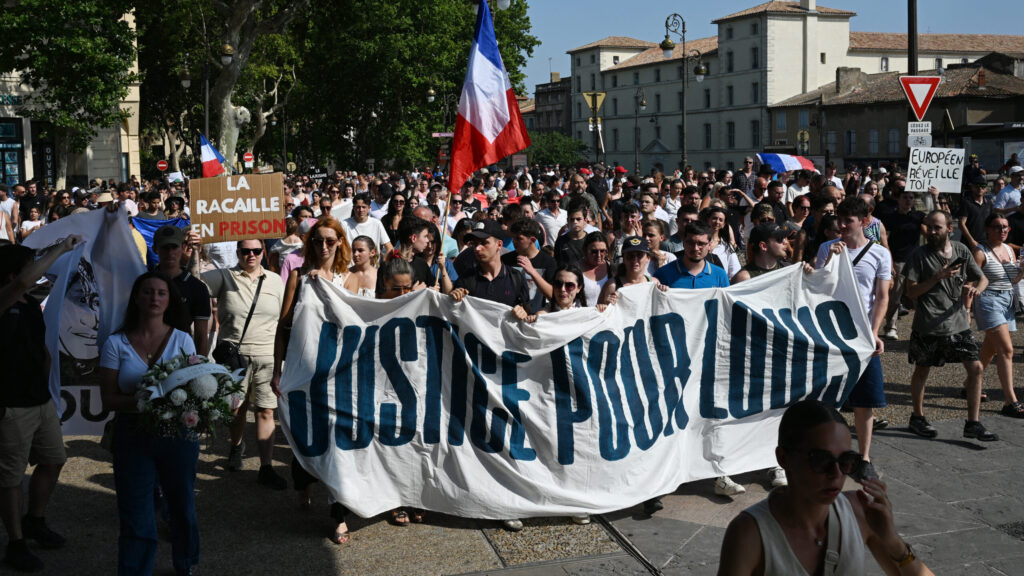
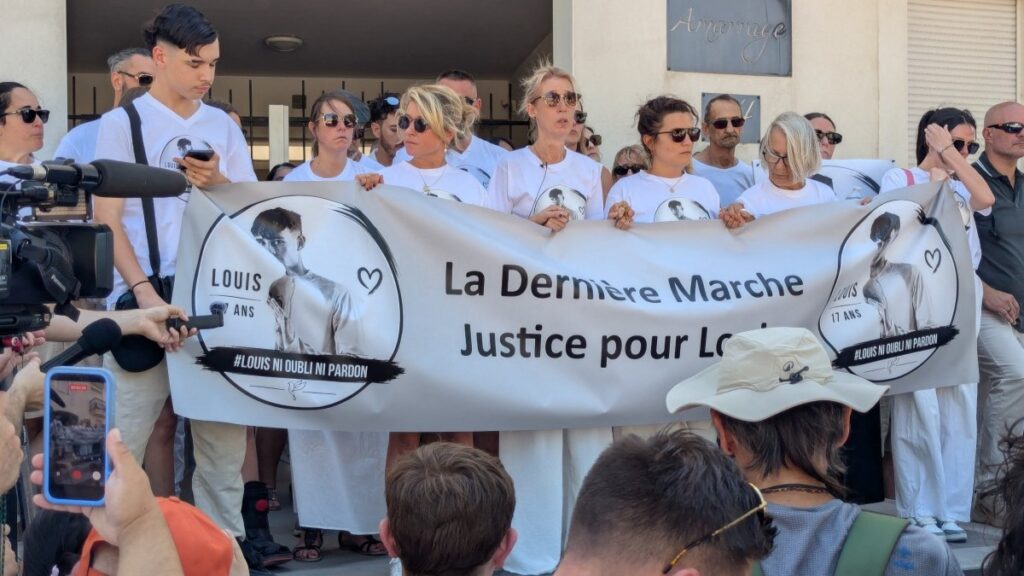
White marches and “La Dernière Marche” (The Last March) in Narbonne and Carcassonne drew hundreds, with slogans like “No forgetting, no forgiveness” and “Justice for Louis.” A crowdfunding campaign was launched for dignified funerals and family support. The case has spotlighted failures in the child welfare system, rising youth violence, and debates over juvenile justice.
As public anger swells, questions mount about accountability, the role of social media in glorifying violence, and whether France’s institutions adequately safeguard at-risk teens. Louis’s mother’s unyielding stance has united many in demanding reform. Her words echo a broader sentiment: enough is enough. This heartbreak could indeed change everything if it forces real action against a cycle of violence that can no longer be ignored.
Louis’s story is a painful reminder of lost potential—a bright, kind boy whose light was extinguished too soon. France mourns with his family and pledges: never again.