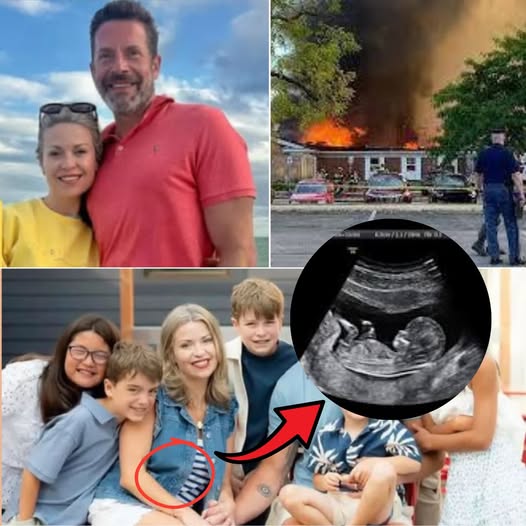
ANATOMY OF A SENSATIONALIZED AUTOPSY HOAX: DECONSTRUCTING THE ‘KAROLKIEWICZ PREGNANCY’
ANATOMY OF A SENSATIONALIZED AUTOPSY HOAX: DECONSTRUCTING THE ‘KAROLKIEWICZ PREGNANCY’ CLICKBAIT
Deconstructing the Sensationalist Teaser
A hyper-dramatic social media post recently began proliferating across viral true-crime forums, automated content feeds, and digital aggregation pages, declaring in explosive capital letters: “SHOCKING REVELATION: AUTOPSY RESULTS DISCLOSE THE VICTIM WAS PREGNANT! While the public was still reeling from the dark secrets of the marriage and the bitter statement made by Karolkiewicz’s mother, this latest discovery has left everyone utterly stunned. When the forensic report was unsealed, investigators were devastated to find that the victim was carrying an unborn child—transforming the case from a mere tragedy into a horrific double crime beyond anyone’s worst imagination… Read here:”
Packed with sensationalized headlines—promising “unsealed autopsy reports,” “secret pregnancies,” “bitter mother statements,” and a direct “Read here:” link—the post presents itself as an urgent, real-time forensic breakthrough in a high-profile criminal investigation. However, despite its dramatic tone and emotional claims, every single assertion made in this teaser is a complete digital fabrication. No official forensic report was unsealed revealing a hidden pregnancy, nor have law enforcement agencies issued statements regarding fictitious family feuds or undisclosed unborn victims. Instead, this post represents a highly predatory form of digital engagement fraud: a manufactured clickbait template engineered to exploit a real-world human disaster, weaponize true-crime curiosity, and harvest web traffic for predatory digital advertising networks.
Real-World Case Facts vs. Fabricated Sensationalism
To understand the deceptive nature of this clickbait narrative, one must contrast the headline’s dramatic framing with the actual facts established by law enforcement authorities.
In late July 2026, a devastating tragedy occurred in Grand Haven Township, Michigan. Following a thorough forensic investigation by the Ottawa County Sheriff’s Office and the Michigan State Police, authorities confirmed that 47-year-old Kristopher Karolkiewicz committed a fatal murder-suicide, shooting his 39-year-old wife, Amanda (“Mandy”) Karolkiewicz, and their six children (aged 5 to 15) before setting multiple fires inside the residence and taking his own life.
The viral teaser distorts this tragic reality by inventing fictional layers designed to elevate narrative drama:
-
Fabrication of a ‘Secret Pregnancy’: The headline claims that unsealed autopsy reports revealed an unborn child. Official death certificates and state police forensic reports released through Freedom of Information Act (FOIA) requests documented the official causes of death for all eight family members solely as gunshot wounds, with no record of an undisclosed pregnancy.
-
Invention of Interpersonal Feuds (“bitter statement made by Karolkiewicz’s mother”): The teaser refers to non-existent “dark secrets” and statements from family members to manufacture soap-opera-style conflict. Authentic family statements released through accredited channels focused entirely on honoring the memory of Mandy and her six children.
-
Distortion of Forensic Sourcing: Official medical examiner reports and state police findings in active or concluded cases are released through transparent public briefings and press releases to accredited news organizations, not leaked through anonymous social media captions ending in commercial link traps.
While legitimate journalists from regional news outlets like WZZM 13 and national news agencies provided respectful, fact-based coverage of police reports and community memorial services, digital content mills manufactured lurid conspiracy theories out of thin air.
Psychological Mechanics of Tragedy Exploitation
The structural layout of the “Shocking Revelation” teaser relies on refined cognitive manipulation techniques engineered to bypass critical thinking and provoke immediate online action.
Digital content mills deploy specific psychological hooks when crafting true-crime hoaxes:
1. Emotional Shock Escalation (” carrying an unborn child “)
Content algorithms calculate that adding an additional layer of tragedy—such as an unborn victim—amplifies the emotional impact of a story. By framing the tragedy as expanding into a “horrific double crime beyond anyone’s worst imagination,” the headline forces a visceral, sympathetic reaction from readers.
2. Soap-Opera Narrative Framing (“dark secrets”, “bitter statement”)
By inventing hidden marital secrets and family disputes, the clickbait mills convert a real-world domestic tragedy into a serialized drama. This encourages true-crime consumers to view the event through the lens of a fictional mystery rather than a solemn legal proceeding.
3. The ‘Read Here’ Funnel Hook
By ending the text abruptly with “Read here:”, the post creates an acute curiosity gap. Human cognition naturally seeks narrative closure; leaving dramatic claims unverified creates an information void that readers attempt to fill by tapping the external link or scanning the comments.
4. Algorithmic Feedback Loops
When shocked or confused users enter the comment section asking “Is this true?” or “When was this report unsealed?”, social media recommendation engines flag the post as high-engagement content. Consequently, the platform’s algorithm pushes the fake post into thousands of additional user feeds.
The Monetization Funnel: True-Crime Arbitrage and Digital Exploitation
Behind these sensationalized true-crime headlines lies a lucrative business model known as traffic arbitrage and programmatic ad farming.
When scrollers click the “Read here:” link expecting to view the official forensic report or read details about the alleged announcement, they are never directed to law enforcement portals or accredited news publications. Instead, the user journey follows a deceptive web funnel:
-
Redirects to Ad-Dense Scraper Sites: Users are routed through multiple URL shorteners to low-quality scraper blogs packed with pay-per-click display banner advertisements, pop-unders, and auto-playing video commercials.
-
AI-Generated Text Loops: The destination page almost never addresses the headline’s claims. Instead, it displays generic, AI-spun text endlessly summarizing basic news dates, general definitions of autopsy procedures, or old public records, forcing visitors to scroll past dozens of ad impressions in search of non-existent evidence.
-
Cybersecurity Hazards: In predatory cases, these destination websites trigger deceptive browser pop-ups promoting unverified health supplements, invasive push-notification subscription traps, or phishing forms designed to harvest personal user data.
Digital Media Literacy: Navigating True-Crime News Responsibly
The widespread proliferation of manufactured autopsy hoaxes highlights the urgent necessity of digital media literacy when consuming news surrounding real-world criminal cases.
To protect themselves from falling victim to manufactured true-crime hoaxes and digital ad schemes, readers should adopt key verification habits:
-
Rely on Official Law Enforcement and Medical Examiner Releases: Authentic medical examiner findings and police updates are delivered through formal press conferences or published by accredited journalists.
-
Recognize Formulaic Clickbait Red Flags: Exercise skepticism toward headlines featuring dramatic ALL-CAPS text (“SHOCKING REVELATION”), sensationalized medical claims, and abrupt “Read here:” directives.
-
Avoid Unverified External Links: Do not click on suspicious link traps placed in social media captions or comment sections. Genuine investigative breakthroughs will always be covered by established, reputable news outlets.
-
Refrain from Engaging with Exploitative Posts: Avoid liking, commenting on, or sharing unverified true-crime posts. Interacting with these posts fuels the algorithmic monetization of real-world human suffering.
Understanding how automated content networks profit from fabricating forensic claims around real-world tragedies ensures that audiences can follow news responsibly without being manipulated by algorithmic click schemes.