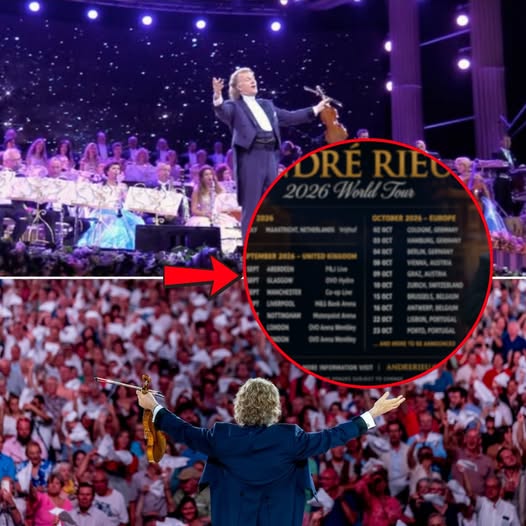
ANATOMY OF A STAGE LEAK HOAX: DECONSTRUCTING THE FAKE ANDRÉ RIEU MAASTRICHT AUGUST SCHEDULE
Deconstructing the Sensationalist Teaser
A hyper-dramatic advertisement recently began bombarding classical music fan groups, social media feeds, and native ad networks, proclaiming in ALL-CAPS: “🚨 SHOCKING: André Rieu’s August performance schedule leaked in the middle of the night!” Loaded with artificial urgency and conspiratorial phrasing, the post asserted that “fans are circulating a leaked internal schedule and stage layout, revealing unprecedented surprises surrounding the spectacular Maastricht concert series.” To create intense curiosity, the text claimed that “according to ‘internet detectives,’ the leaked August setlist goes beyond the classic ‘Dancing on the Stars’ to reveal a jaw-dropping collaboration.” The teaser reached a dramatic crescendo, alleging that “the final notes of the schedule hint at a mysterious name and an unannounced performance appearing at the very last minute…” before terminating in a aggressive, high-pressure call to action: “VIEW THE FULL LEAKED SCHEDULE AND SECRET ACT AT THE LINK BELOW! CHECK IT OUT NOW!”
Despite its breathless presentation and promises of an exclusive insider breach, this entire post is a manufactured digital hoax. There was no late-night internal document leak, no hidden stage layout breach, and no unannounced mystery collaboration exposed by “internet detectives.” Instead, this viral teaser represents a textbook case of digital engagement farming and clickjacking—misusing public enthusiasm for the Dutch violinist’s world-famous summer performances to funnel scrollers into monetized click-farms, ad loops, or hazardous phishing websites.
The Reality of Maastricht Tour Planning versus Manufactured ‘Leaks’
To understand why the “leaked August schedule” narrative is completely fabricated, one must examine how André Rieu Productions actually operates its world-famous summer concert series in the Netherlands.
The annual concert tradition at the historic Vrijthof square in Maastricht is an iconic fixture in international live classical music, attracting tens of thousands of global visitors each summer. However, the operational timeline and publicity structure of these shows completely contradict the narrative of a dramatic late-night document leak:
-
The Summer Schedule Reality: The Maastricht concert series traditionally takes place annually during the month of July, not August. The 2026 summer concert dates for the Vrijthof series were officially scheduled, published, and sold through authorized ticketing channels well over a year in advance. Claiming a sudden “August schedule leak” reveals a fundamental ignorance of Rieu’s actual annual tour calendar.
-
Tight-Knit Production Security: André Rieu Productions operates as a tightly integrated family enterprise managed by André, his wife Marjorie, and his son Pierre. Setlists, guest artist contracts, and staging arrangements are handled with strict corporate confidentiality and professional event protocols, rendering internal document leaks virtually non-existent.
-
Surprise Guests are Standard, Not Secret: While André Rieu routinely features extraordinary guest performers—ranging from international opera stars and gospel choirs to surprise pop legends and local brass ensembles—these appearances are integrated into formal press announcements, official television tapings, or kept as enjoyable live concert moments for the audience present on the square.
The narrative that “internet detectives” uncovered secret documents in the middle of the night is a cinematic fiction designed to replace boring, real-world corporate planning with online intrigue.
The Mechanics of Ticket-Scam and ‘Exclusive Leak’ Clickbait
The creation and automated spread of the “leaked schedule” post illustrate a well-calculated business model designed to exploit fans’ eagerness to see exclusive content or secure last-minute tickets.
Online scammers and click-farms deploy specific psychological and technical mechanisms to monetize this curiosity:
1. Exploiting the ‘FOMO’ (Fear of Missing Out) and Scarcity
Because tickets for Rieu’s open-air summer concerts routinely sell out months in advance, fans who missed out on initial ticket sales are constantly seeking last-minute opportunities, secret shows, or special dates. Promising a “leaked schedule” or an “unannounced performance” preys directly on this desire, driving high click-through rates among desperate ticket-seekers.
2. Fake ‘Leaked Setlists’ as Malware and Phishing Vectors
Links promising “FULL LEAKED SCHEDULES” or downloadable PDF stage plans are heavily utilized by cybercriminals as delivery mechanisms for malicious software. Clicking these links often redirects users to dangerous landing pages demanding personal email addresses, credit card credentials for “exclusive access,” or forcing the installation of harmful browser extensions disguised as document viewers.
3. Traffic Arbitrage and Clickjacking
When the links are not directly malicious, they exist to fuel traffic arbitrage. Users who click “CHECK IT OUT NOW!” are funneled through automated URL shorteners to ad-cluttered scraper blogs, shady third-party ticket reseller sites charging exorbitant markups, or long Video Sales Letters (VSLs) selling unrelated digital subscriptions.
The Consequences of Unverified ‘Concert Leak’ Disinformation
While a fake story about a concert setlist might seem less harmful than medical or political hoaxes, fake event leaks create genuine financial, security, and reputational risks.
-
Financial Losses from Ticket Scams: Fake schedule announcements often link directly to unauthorized ticket scalping platforms or fraudulent ticket brokers, leading fans to purchase fake passes for non-existent “August dates.”
-
Distortion of Artistic Integrity: Inventing fake guest stars and unannounced collaborations forces the production team to constantly issue public disclaimers, diverting time and resources away from delivering world-class live entertainment.
-
Exploitation of Fan Trust: Devoted fans who travel internationally to attend these concerts are manipulated into believing they are gaining insider access, only to have their enthusiasm exploited for ad revenue or phishing data.
Navigating Tour Announcements with Digital Literacy
The viral recurrence of the “leaked schedule” hoax highlights the ongoing necessity for digital media literacy among classical music fans and live entertainment consumers.
To protect personal cybersecurity and avoid falling victim to ticket scams or clickbait traps, fans should follow key verification practices:
-
Rely Exclusively on Official Tour Portals: Authentic concert dates, setlist highlights, and guest announcements are published solely on André Rieu’s verified website (
andrerieu.com) and his official social media channels. -
Never Download Files from Sponsored Social Links: Avoid downloading “leaked PDF setlists,” stage diagrams, or schedule files from unverified third-party links or sponsored social media posts.
-
Verify Concert Dates and Venues Independently: Always cross-reference claimed concert dates with official venue schedules (such as the Vrijthof Maastricht official portal) before making travel or ticket decisions.
André Rieu’s extraordinary stage success is built on decades of transparent, professional live music production. Recognizing the distinction between authentic tour news and predatory clickbait traps ensures fans can enjoy the magic of the music safely and securely.