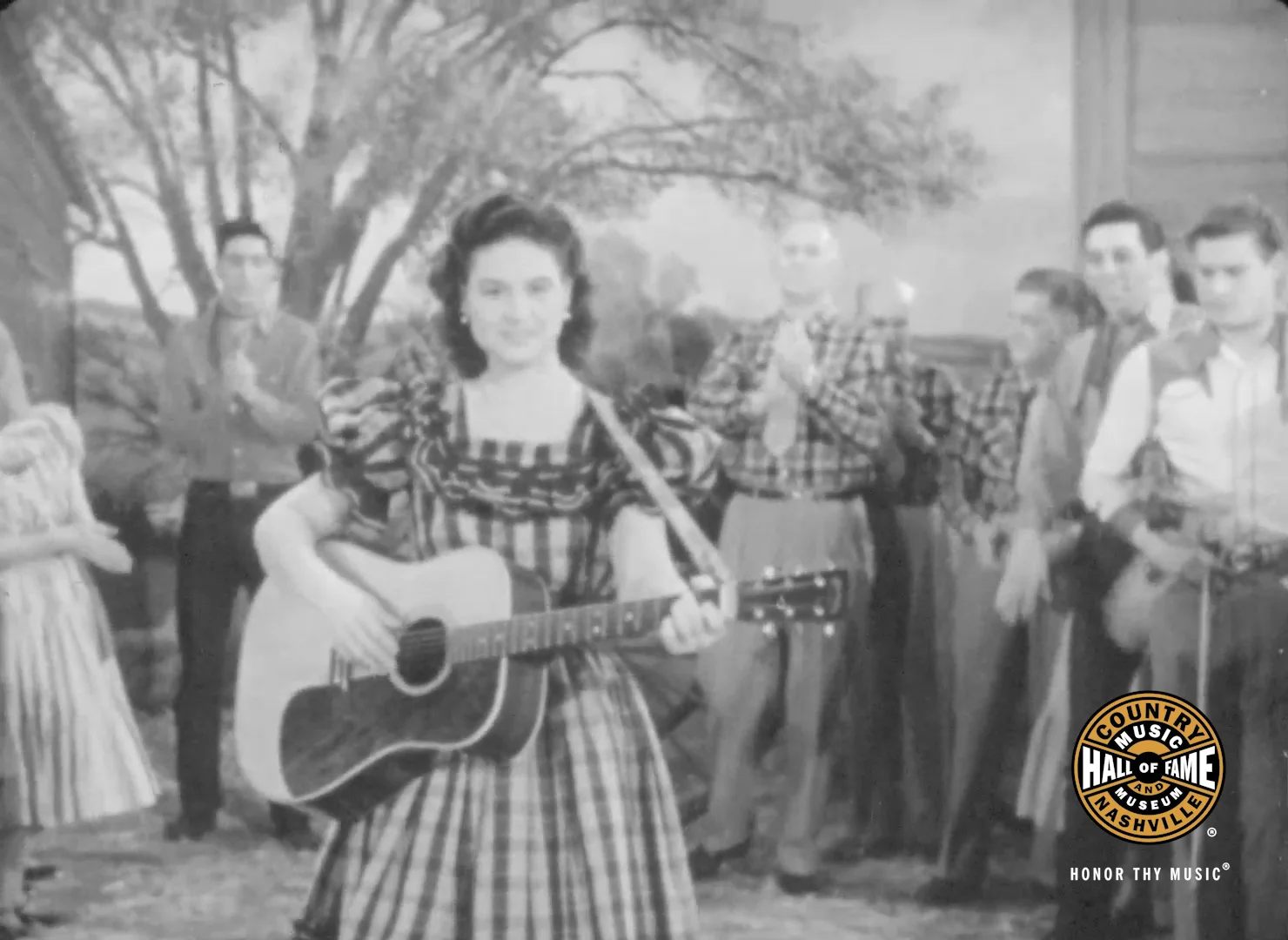
How a Housewife’s Defiant Anthem Toppled Country Music’s Double Standards
In the early 1950s, country music was a man’s world. Radio stations, record labels, and even the revered Grand Ole Opry upheld strict traditional values. Then came a soft-spoken housewife from Nashville who recorded one song for a modest fee — and accidentally ignited a cultural firestorm.
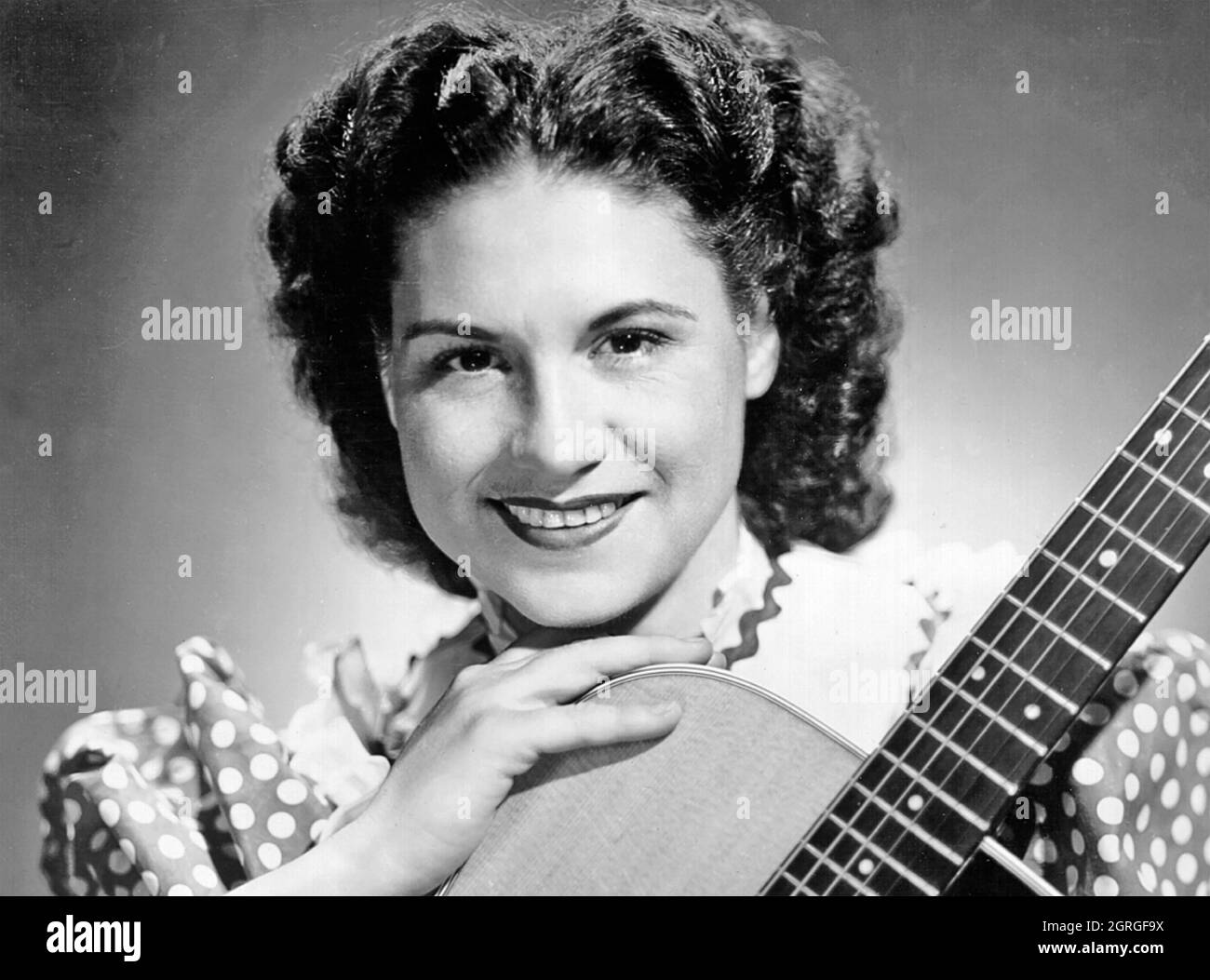
Kitty Wells, born Ellen Muriel Deason in 1919, seemed an unlikely revolutionary. A devoted wife and mother, she had stepped back from performing to raise her family. But in 1952, she stepped into a studio and laid down “It Wasn’t God Who Made Honky Tonk Angels” — a pointed answer song to Hank Thompson’s hit “The Wild Side of Life,” which blamed “honky tonk angels” (women in bars) for broken homes.
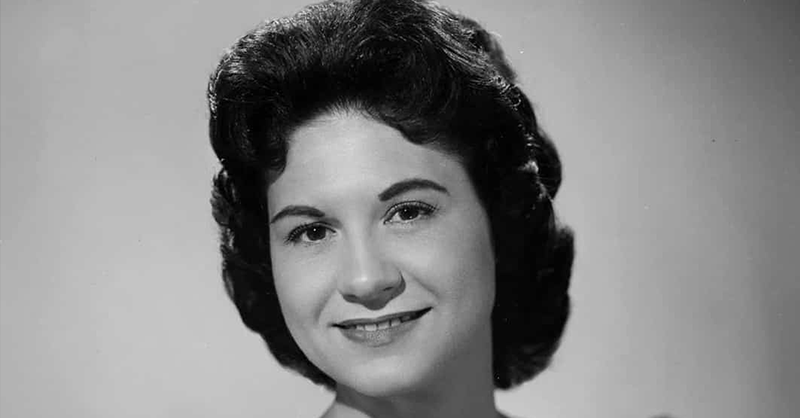
Wells flipped the script. Her lyrics placed accountability squarely on unfaithful husbands:
“It’s a shame that all the blame is on us women / It’s not true that only you men feel the same / From the start, most every heart that’s ever broken / Was because there always was a man to blame.”
The response was explosive. The song soared to No. 1 on the Billboard country charts — the first solo female artist to achieve that feat. It sold hundreds of thousands of copies and resonated deeply with women across post-war America, where shifting gender roles, rising divorces, and working women were already sparking anxiety.
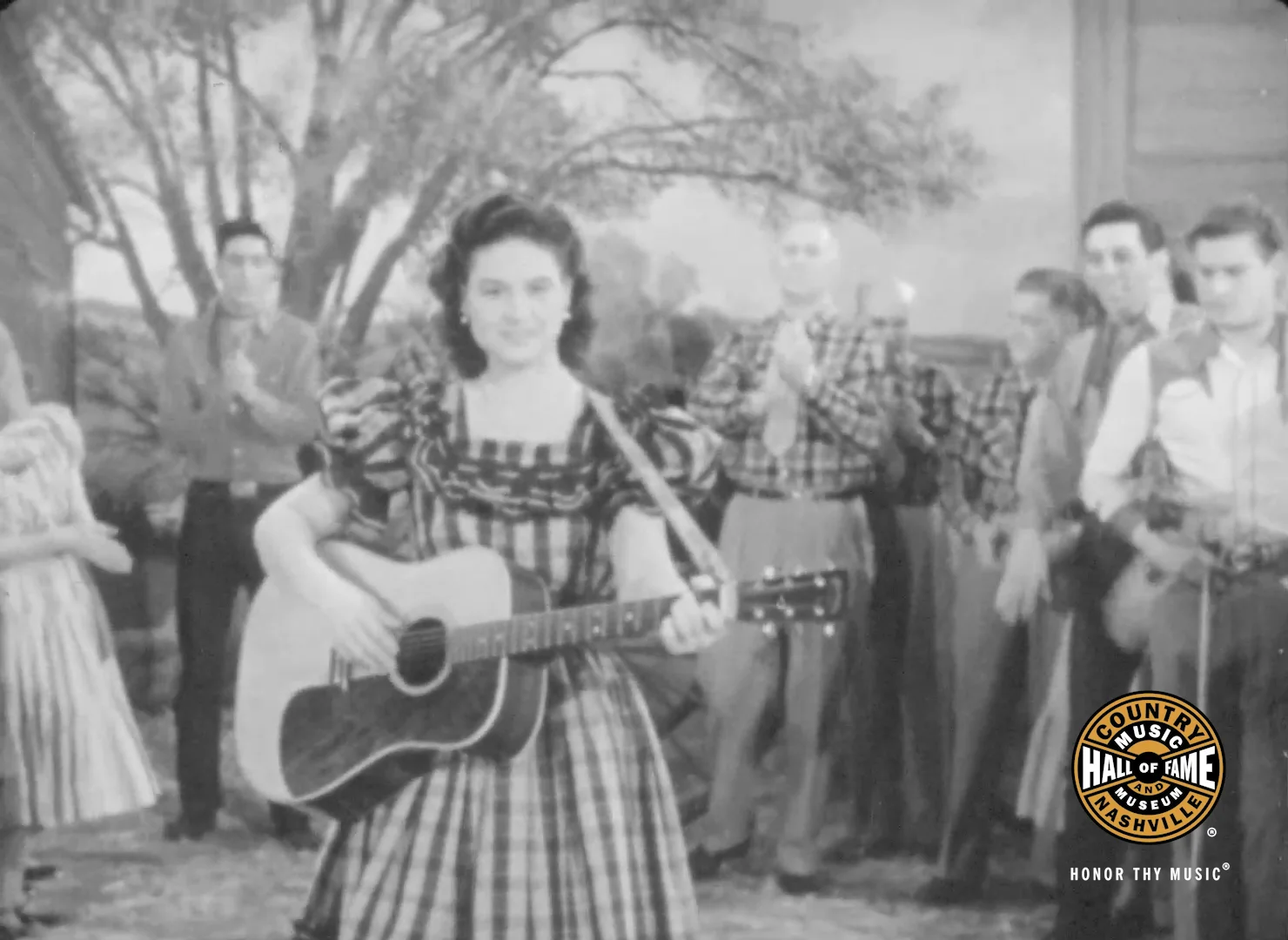
But success came with backlash. NBC Radio banned the track from its airwaves. The Grand Ole Opry initially refused to let Wells perform it, fearing it would offend conservative audiences and sponsors. Male-dominated industry gatekeepers viewed the song as too confrontational, too feminist for its time. Many radio stations across the South and Midwest pulled it entirely.

Yet the bans only amplified its power. Public demand proved unstoppable. Fans clamored for the record, and Wells eventually performed the song on the Opry stage, cementing her status as the “Queen of Country Music.” The controversy highlighted deep divisions in American society and within country music itself — between tradition and changing realities, between male perspectives and female voices.
Wells’ breakthrough opened doors for future trailblazers like Patsy Cline, Loretta Lynn, and Dolly Parton. She proved that a woman’s perspective could dominate charts and challenge norms without sacrificing authenticity or grace.
The Unexpected Ending Far from being a one-hit wonder, Kitty Wells built a legendary career spanning decades. She became the first female country artist to receive a lifetime achievement award from the CMA and was inducted into the Country Music Hall of Fame. She remained married to her husband Johnny Wright for over 70 years, balancing stardom with family life. Her quiet dignity and powerful voice left an indelible mark on the genre.
Today, “It Wasn’t God Who Made Honky Tonk Angels” stands as more than a hit record — it’s a landmark moment when country music confronted its own gender biases. In an era when women were expected to stay silent, Kitty Wells sang the truth. And the world couldn’t look away.
Her story reminds us that sometimes the biggest revolutions start not with thunderous declarations, but with a housewife stepping up to the microphone, hoping just to earn a little extra money for her family.