THE MECHANICS OF POSTHUMOUS SCANDAL: DECONSTRUCTING THE ‘DOLLY PARTON AND BEYONCÉ JOLENE’ HOAX
Deconstructing the Sensationalist Teaser
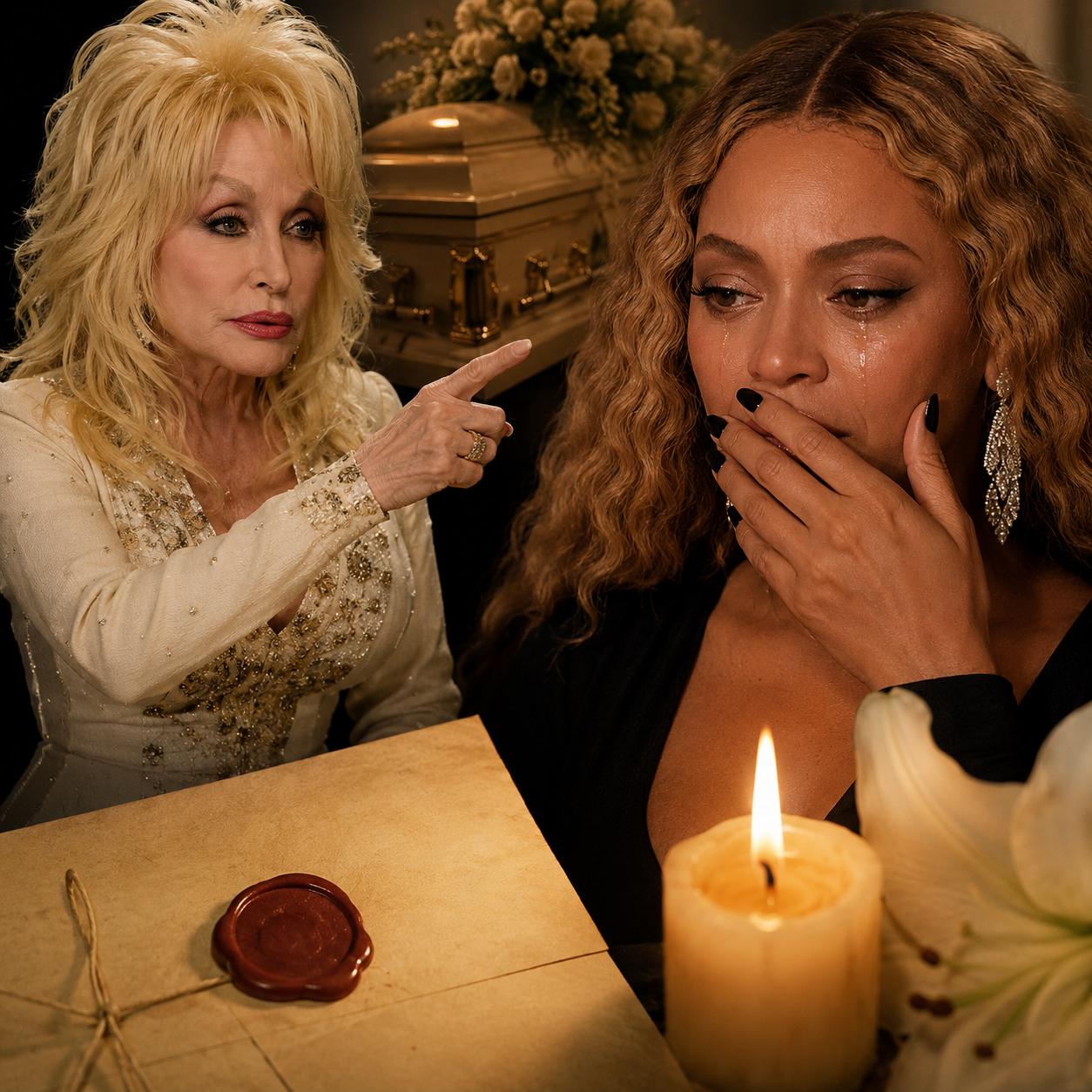
A hyper-dramatic advertisement recently flooded social media feeds, digital content portals, and automated video aggregators, heralding with flashing alarm emojis: “🔥 FIRST TIME REVEALED: DOLLY PARTON’S CHILLING WARNING TO BEYONCÉ OVER “JOLENE” COVER! 🚨 Hollywood is stunned as the shocking truth behind the iconic cover finally comes to light. Dolly Parton had secretly sent a stern warning to Beyoncé before her passing. Right after the Country Queen’s funeral, Beyoncé was left utterly speechless upon realizing the heartbreaking meaning behind that message and the hidden clause in the original track… 👇👇 Click the link below to discover the full truth.”
Packed with claims of deathbed warnings, post-funeral revelations, contractual secrets, and an abrupt cliffhanger link, the post presents a textbook specimen of viral grief exploitation. However, despite its breathless claims of “chilling warnings” and “hidden clauses,” the entire narrative is a complete digital fabrication. Dolly Parton never sent a stern warning to Beyoncé, there were no hidden legal clauses embedded in “Jolene,” and no post-funeral shock message occurred. Instead, this viral post represents an unethical form of digital engagement fraud—a manufactured hoax engineered to exploit the recent passing of a beloved cultural icon, manipulate public emotions, and monetize web traffic through predatory digital advertising networks.
The Reality: Parton’s Enthusiastic Support vs. Manufactured Conflict
To understand how clickbait networks construct believable lies, one must contrast the fake “warning” narrative with the documented history between Dolly Parton and Beyoncé. Far from harboring hostility or issuing stern warnings over the adaptation of her 1973 classic “Jolene,” Dolly Parton was one of the most vocal champions of Beyoncé’s venture into country music with her 2024 album Cowboy Carter.
-
Active Advocacy for the Cover: Dolly Parton publicly revealed on multiple occasions that she had actively hoped Beyoncé would cover “Jolene” for years. Parton even contributed a personalized spoken-word interlude titled “Dolly P” for Cowboy Carter, warmly introducing Beyoncé’s version to millions of listeners worldwide.
-
Praising the Lyrical Shift: When Beyoncé’s version altered the iconic lyrics—shifting the tone from Parton’s vulnerable plea (“Please don’t take my man”) to a fierce, protective warning (“I’m warning you, don’t come for my man”)—Parton praised the creative choice publicly. Parton remarked in interviews that she loved the bold approach, humorously noting that Beyoncé “wasn’t gonna go beg some other woman like I did”.
-
Mutual Respect and Tributes: Following Dolly Parton’s passing in late August 2026, Beyoncé released a heartfelt statement honoring the Country Queen as a “barometer” and “north star” who taught generations of artists how to remain authentically themselves. The relationship between the two superstars was defined by flowers, celebratory notes, and deep artistic admiration—not secret legal battles or chilling deathbed warnings.
By taking two global icons and inventing a fictitious feud, content mills create a false sense of dramatic conflict that ignores documented facts in favor of cheap sensationalism.
The Ethics of Posthumous Grief Exploitation
The timing of this clickbait campaign highlights one of the most predatory tactics in modern digital publishing: the weaponization of genuine public grief. Following the death of a major public figure, search volumes and social media mentions surge exponentially as fans look for news, tributes, and historical retrospectives.
Digital content farms exploit these moments through specific techniques:
1. Anchoring Fiction to Real Tragedy
By setting the fake story “right after the Country Queen’s funeral,” the post piggybacks on authentic news events. Anchoring a lie to a real, solemn occasion tricks the reader’s brain into perceiving the entire headline as part of ongoing news coverage.
2. Inventing ‘Hidden Clauses’ and ‘Secret Messages’
Phrases like “hidden clause in the original track” and “heartbreaking meaning behind that message” rely on pseudoscientific mystery. They imply that a famous work of art contains a secret, national-treasure-style code that can only be unlocked through the creator’s death. This imaginative setup entices readers who enjoy uncovering hidden pop-culture trivia.
3. Exploiting Celebrity Polarities
Pairing a universally beloved figure like Dolly Parton with a polarizing, hyper-famous superstar like Beyoncé guarantees high comment volumes. Skeptics, dedicated fans, and critics flock to the comment section to argue, unintentionally driving up the post’s visibility across social algorithms.
The Structural Mechanics of Clickbait Engagement
The structural design of the teaser relies on well-established cognitive manipulation tactics engineered to override critical thinking and force immediate action.
-
The Truncated Curiosity Gap (“original track… 👇👇”): The headline intentionally stops right before revealing the alleged “hidden clause” or “heartbreaking meaning.” This leaves an artificial information void that sparks curiosity, compelling scrollers to click the link to find resolution.
-
Emotional Alarm Cues: Words like “CHILLING WARNING,” “STERN WARNING,” “SPEECHLESS,” and “SHOCKING TRUTH” combined with red siren emojis (“🚨”) simulate a breaking news emergency, triggering a subconscious urge to click before assessing the credibility of the source.
-
Algorithmic Amplification: As users engage with the post to ask “Is this true?” or defend either artist, social media recommendation engines misinterpret the activity as high-value engagement, pushing the fake story onto thousands of additional feeds.
The Monetization Funnel: Ad Arbitrage and Click Scams
Behind these dramatic entertainment headlines lies a lucrative business model known as traffic arbitrage and ad impression farming.
When scrollers tap the “👇👇” link expecting to read the promised details, they are never directed to reputable outlets like Billboard, Rolling Stone, or Associated Press. Instead, the link leads into a deceptive web funnel:
-
Ad-Dense Scraper Sites: Users are routed through URL shorteners to low-quality scraper blogs packed with pay-per-click display advertisements.
-
AI-Generated Text Loops: The destination page almost never reveals a “chilling warning.” Instead, it presents generic, AI-generated text summarizing Dolly Parton’s career, Beyoncé’s discography, or the general history of “Jolene,” forcing visitors to scroll past dozens of ad units in search of answers that do not exist.
-
Security and Privacy Hazards: In worse scenarios, these links trigger deceptive browser pop-ups promoting unverified cryptocurrency schemes, invasive push notifications, or malicious downloads designed to harvest personal data.
Protecting Media Literacy During Periods of Public Mourning
The spread of posthumous celebrity hoaxes underscores the importance of critical media literacy when navigating digital platforms.
To avoid falling victim to manufactured grief clickbait and online scams, readers should practice simple verification habits:
-
Cross-Reference Breaking Claims with Trusted News: Major disclosures regarding high-profile artists or legal disputes are covered immediately by accredited global news outlets. If a claim exists solely on anonymous social media pages with pointing emojis, it is fake.
-
Identify Clickbait Red Flags: Exercise skepticism toward headlines featuring incomplete sentences, pointing arrows (“👇”), excessive sirens (“🚨”), and dramatic claims of deathbed secrets.
-
Refrain from Interacting with Exploitative Posts: Avoid commenting, liking, or sharing unverified death or feud posts. Every interaction provides engagement metrics that allow clickbait creators to profit from manufactured outrage.
Dolly Parton’s legacy remains defined by her extraordinary music, generosity, and steadfast support for fellow artists. Recognizing how digital content networks profit from inventing posthumous feuds ensures that fans can honor her memory without being misled by algorithmic hoaxes.