The Waltz King’s Enduring Legacy: André Rieu and the Next Generation
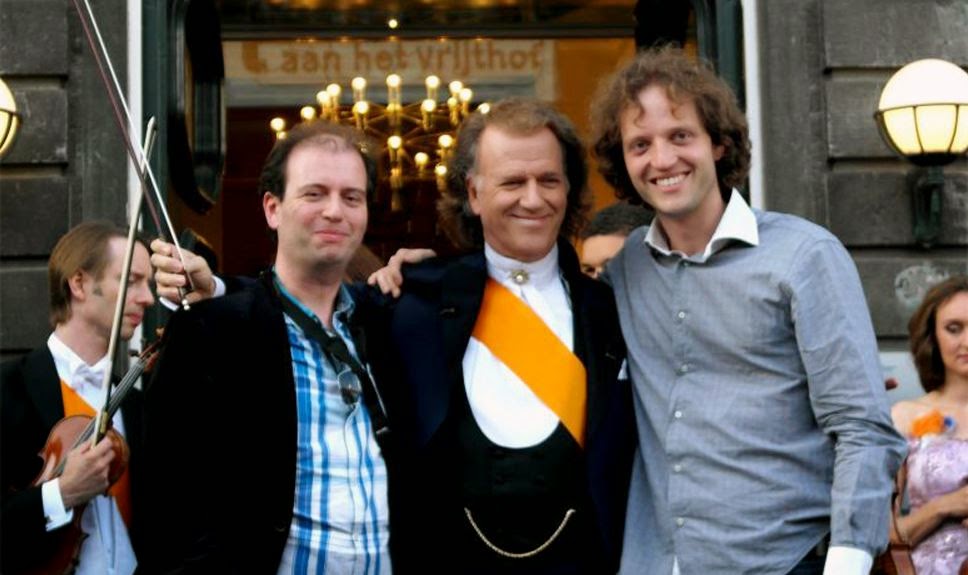
For decades, Dutch violinist and conductor André Rieu has built a musical empire unlike any other. With his glittering Johann Strauss Orchestra, lavish productions, and joyful interpretations of classical waltzes, he has sold millions of albums and filled arenas worldwide. Yet as his concerts continue to captivate audiences across the globe, fans are beginning to look beyond the stage lights. More attention is quietly turning to the next generation—specifically his sons, Marc and Pierre Rieu. Though they have remained largely out of the spotlight, their names are appearing more frequently in discussions about the future of the Strauss Orchestra and André’s vast musical enterprise. One detail has reignited speculation about what could one day become the maestro’s greatest legacy.

Born in Maastricht, Netherlands, in 1949, André Rieu grew up surrounded by music. His father, Andries Antonie Rieu, was a conductor, and young André began studying the violin at age five. After training at conservatories in Liège and Brussels, he founded the Maastricht Salon Orchestra in 1978 and later the Johann Strauss Orchestra in 1987. What started as a small ensemble playing Viennese waltzes evolved into a global phenomenon. Rieu’s shows are renowned for their theatrical flair—elaborate sets, costumes, and an infectious sense of celebration that brings classical music to mainstream audiences.
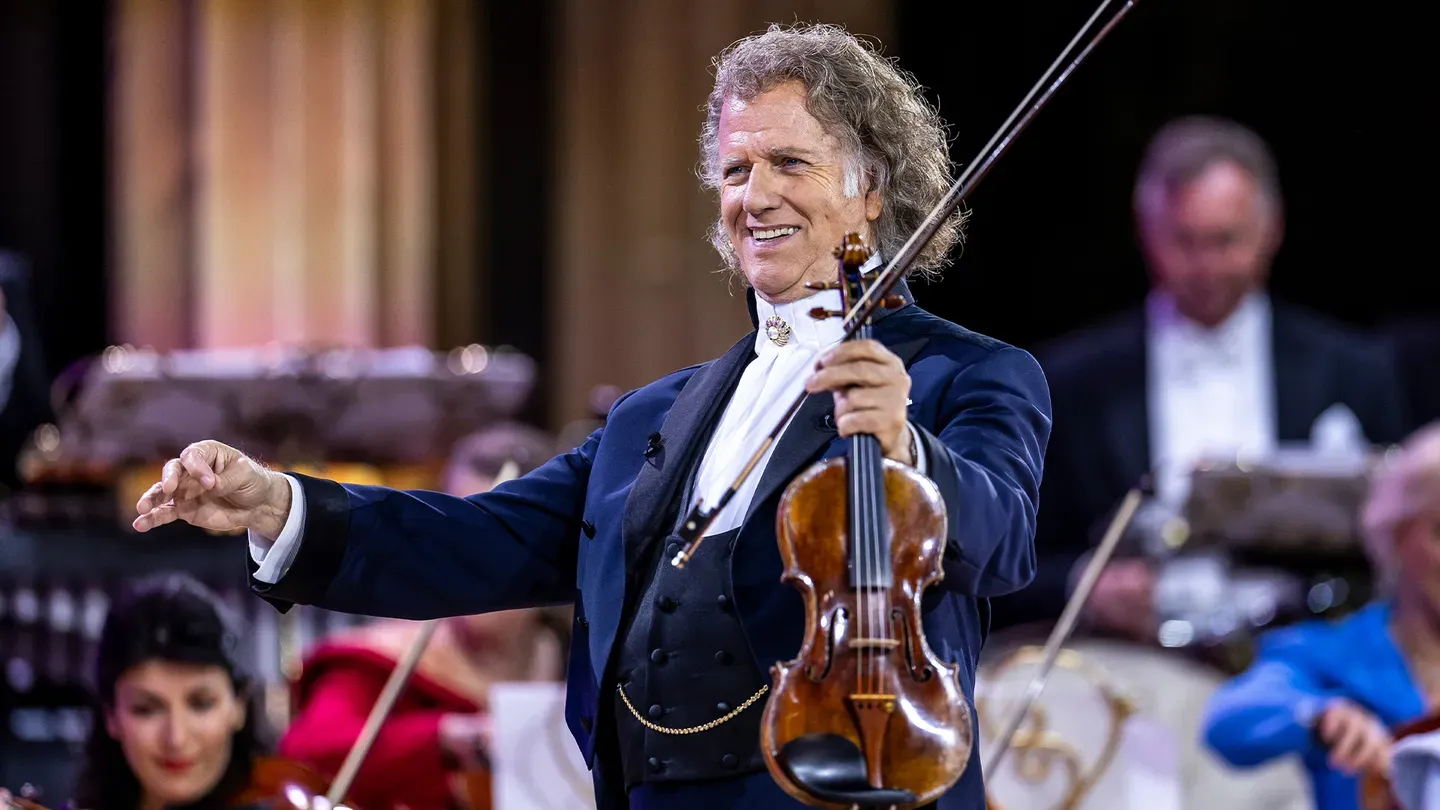
His success is undeniable. Rieu has performed in iconic venues, released dozens of best-selling albums, and built a dedicated fan base that spans generations. At over 75 years old, he continues touring extensively, recently celebrating milestones like the 200th anniversary of Johann Strauss with a new album. Yet behind the glamour lies a tight-knit family that has long supported his vision. Married to Marjorie Kochmann since 1975, André credits her as a pillar of strength. Together, they raised two sons: Marc, born in 1978, and Pierre, born in 1981.

Marc Rieu, the elder son, pursued a different creative path. An accomplished painter, his works have been showcased and appreciated within family circles and beyond. While not directly involved in the day-to-day operations of the orchestra, Marc’s artistic sensibilities echo the family’s emphasis on beauty and expression. His paintings often capture serene landscapes and emotional depth, offering a quiet counterpoint to his father’s exuberant performances.

Pierre Rieu, the younger son, has been far more immersed in the family business. Joining André Rieu Productions in 2002, he serves as technical manager, concert producer, and vice president. Often described by his father as his “right-hand man,” Pierre handles critical behind-the-scenes elements that make the spectacular shows possible. He has been instrumental in tours, productions, and even a World War II museum project near the family studios, reflecting his passion for history and preservation. Pierre frequently appears alongside his father in interviews and events, bridging the personal and professional worlds.

As André Rieu enters a reflective phase of his career, questions about succession naturally arise. The Johann Strauss Orchestra, with its 50+ musicians, represents not just a business but a living tradition of joy through music. Fans and industry observers speculate whether Pierre’s operational expertise and deep involvement could position him to carry the torch forward. Marc’s artistic contributions might also influence future creative directions, such as visual elements or expanded multimedia experiences.
André has spoken warmly about his family’s role. He views the orchestra as a second family and has emphasized spending time and resources on loved ones now rather than focusing solely on inheritance. With five grandchildren, the Rieu legacy already extends to a new generation that may one day engage with the musical empire in their own ways.

This quiet shift in attention highlights a beautiful truth in the Rieu story: music transcends one lifetime. André’s empire was built on passion, showmanship, and accessibility—qualities his sons have witnessed and helped sustain. Whether through Pierre’s production leadership, Marc’s creative endeavors, or the family’s shared values, the future appears promising.
Fans worldwide continue to flock to arenas for the magic of Strauss waltzes under André’s baton. But as the curtain rises on new chapters, there is growing excitement about how the next generation will honor and perhaps innovate upon that beloved tradition. André Rieu’s greatest legacy may not only be the music he has shared but the foundation he has laid for it to endure.