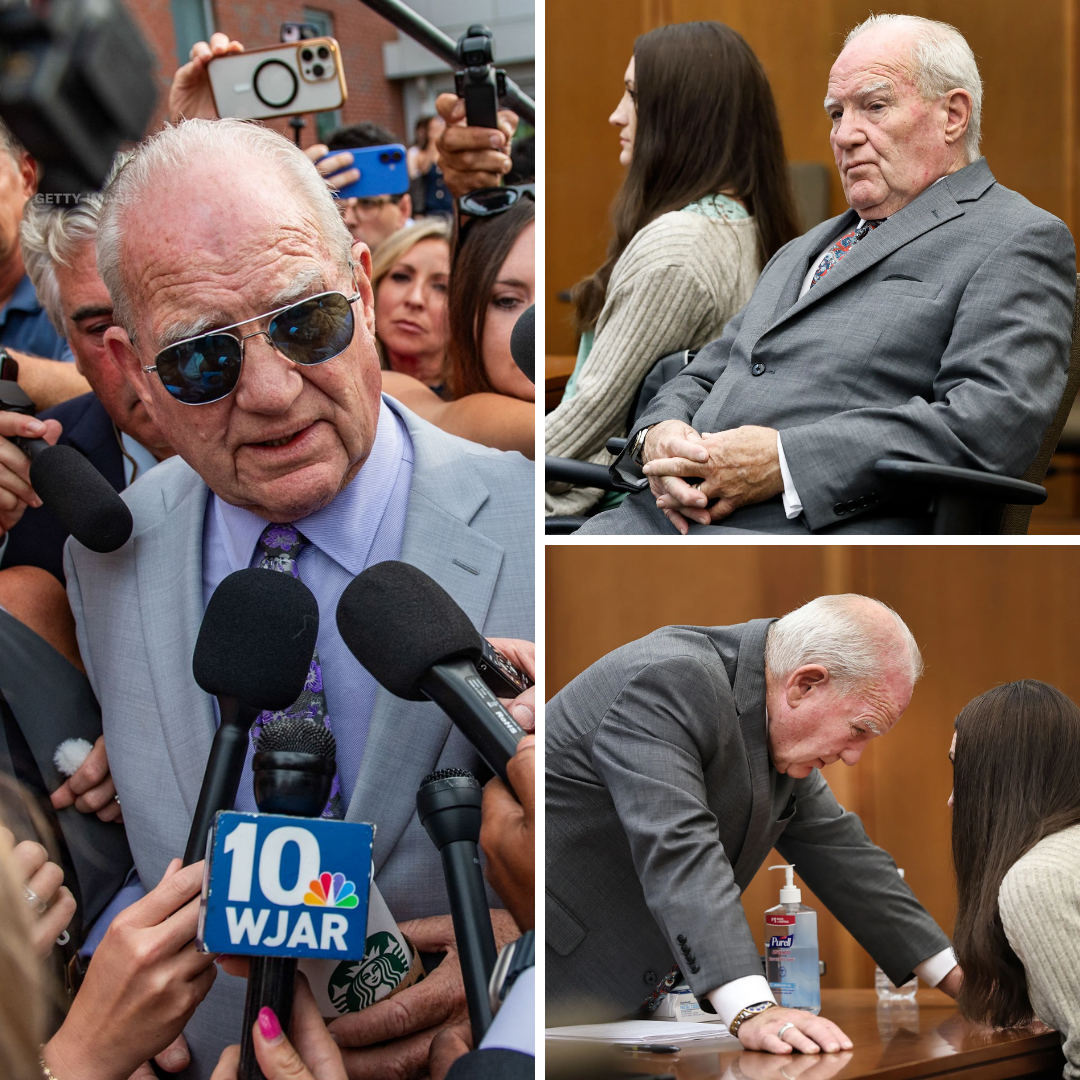
Forensic Defense Strategy and Procedural Realities: Deconstructing the Lindsay Clancy Pretrial Dynamics
In high-profile criminal litigation, the intersection of aggressive defense advocacy, complex psychiatric science, and relentless public scrutiny frequently generates intense media commentary. Following ongoing pretrial proceedings in Plymouth Superior Court concerning Lindsay Clancy—the Duxbury, Massachusetts mother facing indictment in connection with the tragic January 2023 deaths of her three children—online platforms have been inundated with speculative reports. Among the most pervasive viral claims are sensationalized headlines alleging that defense attorney Kevin Reddington is preparing an explosive public briefing to reveal “bombshell evidence missed by the court” following a fictitious mistrial.
An examination of official court dockets, statutory Massachusetts criminal procedure, and authenticated public statements from defense counsel exposes these viral narratives as pure digital fabrication. Far from a chaotic series of procedural breakdowns or unscheduled press leaks, the defense strategy managed by Reddington reflects a methodical, long-term legal campaign centered on forensic psychiatric evaluation, medication-induced akathisia, and the rigorous statutory standards governing legal insanity.
The Reality of Pretrial Motions vs. Digital Fabrications
A fundamental source of public confusion in high-profile prosecutions stems from the misinterpretation of routine pretrial hearings. In the Clancy proceedings, online clickbait networks have routinely mischaracterized standard evidentiary arguments, defense motions for independent medical evaluations, and scheduling conferences as evidence of dramatic courtroom turmoil or sudden trial cancellations.
Under Massachusetts Rules of Criminal Procedure, a mistrial can only occur after a jury has been formally empaneled and sworn, or during an active trial when procedural flaws permanently compromise the fairness of the proceedings. In the Clancy prosecution, the legal process remains firmly in the structured pretrial phase, during which both parties exchange mandatory Rule 14 discovery, present expert witness disclosures, and litigate complex evidentiary motions.
Veteran criminal defense attorney Kevin Reddington has maintained a consistent, transparent public posture focused strictly on the legal and medical realities of his client’s condition:
-
Medical and Psychiatric Evaluation: From the earliest bail hearings in Plymouth District Court, Reddington has emphasized that Clancy was suffering from severe, acute postpartum psychosis accompanied by debilitating postpartum depression and anxiety.
-
Pharmacological Over-Medication: The defense has repeatedly highlighted the extensive array of psychiatric pharmaceuticals prescribed to Clancy in the months leading up to the tragedy, arguing that rapid dosage adjustments and combination therapies induced severe involuntary intoxication and akathisia.
-
Severe Physical Injury: Defense filings have continuously reminded the court of the catastrophic physical consequences of Clancy’s suicide attempt on January 24, 2023, which resulted in permanent spinal cord damage and paraplegia requiring specialized, round-the-clock medical custody.
The Core Defense Thesis: Postpartum Psychosis and Involuntary Intoxication
Rather than relying on secret, unannounced revelations, Reddington’s defense framework is anchored in two established legal doctrines under Massachusetts jurisprudence: the lack of criminal responsibility due to mental disease or defect, and involuntary intoxication caused by prescribed medication.
Under the landmark Commonwealth v. McHoul standard, the defense bears the burden of demonstrating that at the time of the alleged conduct, as a result of a mental disease or defect, Clancy lacked substantial capacity either to appreciate the criminality of her conduct or to conform her conduct to the requirements of the law. To establish this, Reddington engaged nationally recognized forensic psychiatrists and reproductive mental health specialists to conduct exhaustive evaluations of Clancy’s cognitive state.
Central to this defense strategy is the detailed reconstruction of Clancy’s medical history in the late fall and winter of 2022:
“This is not a case of premeditated criminal intent; it is a profound medical tragedy driven by an overwhelming mental health collapse,” Reddington has asserted in public statements following court sessions. “The medical record demonstrates a dedicated mother desperately seeking professional help, engaging with multiple clinical providers, and being subjected to a rapid sequence of powerful mind-altering pharmaceuticals.”
The defense contends that the combination of acute postpartum psychosis and severe adverse drug reactions created a state of involuntary intoxication that completely destroyed Clancy’s executive functioning and moral appreciation, rendering her legally incapable of forming criminal intent.
The Battle of Expert Testimony and Prosecutorial Opposition
While the defense has constructed a detailed psychiatric argument, Plymouth County prosecutors led by Assistant District Attorney Jennifer Sprague have offered a starkly different interpretation of the physical and digital evidence. The tension between these competing legal narratives forms the core of the upcoming trial, rather than any suppressed external conspiracy.
Prosecution filings have focused on establishing conscious intent, planning, and functional rationality in the hours preceding the incident:
-
Temporal Planning: State attorneys highlight that Clancy used her mobile device to search for restaurant menus, calculate delivery times, and place takeout orders, arguing that these actions reflect structured, goal-directed behavior.
-
Absence of Immediate Hallucinatory Records: Prosecutors contend that despite numerous clinical visits, medical notes do not formally record acute command hallucinations prior to January 24, arguing instead that her actions stemmed from severe depression without legal insanity.
-
Post-Incident Statements: The state emphasizes Clancy’s initial communications with emergency personnel and her husband, asserting that her expressions of awareness indicate a clear appreciation of the moral and legal wrongfulness of her conduct.
This sharp divergence between defense and prosecution experts underscores why the case must be resolved through methodical courtroom presentation, expert cross-examination, and judicial evaluation rather than sensational press conferences.
The Role of Media Relations in High-Stakes Criminal Defense
The proliferation of viral clickbait alleging “bombshell leaks” highlights the challenging media environment in which modern defense attorneys operate. In high-profile matters, defense counsel must carefully balance aggressive public advocacy with strict ethical rules governing pretrial publicity.
Under Massachusetts Rules of Professional Conduct Rule 3.6, attorneys are strictly prohibited from making extrajudicial statements that have a substantial likelihood of materially prejudicing an adjudicative proceeding. Experienced litigators like Reddington utilize public statements strategically—not to leak unverified evidence or challenge judicial integrity, but to correct public misconceptions, counter prosecutorial narratives, and ensure that the public recognizes the complex medical context underlying the charges.
The fabricated rumors of an unannounced, explosive briefing represent a distortion of this professional advocacy, designed by unauthorized online outlets to capitalize on public emotion and generate internet traffic.
Judicial Integrity and the Path to Resolution
As Plymouth Superior Court prepares for the formal evidentiary phases of the prosecution, the case of Lindsay Clancy remains one of the most sobering legal matters in recent Massachusetts history. The trial will test the limits of forensic psychiatry, the legal standards governing maternal mental health, and the capacity of the judicial system to distinguish between criminal guilt and medical incapacitation.
By dismissing viral sensationalism and focusing on authenticated court filings, the public record remains clear: defense counsel Kevin Reddington continues to execute a structured, highly sophisticated legal strategy grounded in medical science, statutory law, and constitutional due process. The ultimate resolution of the Clancy case will be determined not by internet rumors or sensational clickbait, but by the rigorous, objective evaluation of evidence within a court of law.