NETFLIX PRESENTS A MASTERCLASS IN PSYCHOLOGICAL SUSPENSE AND MORAL DECAY
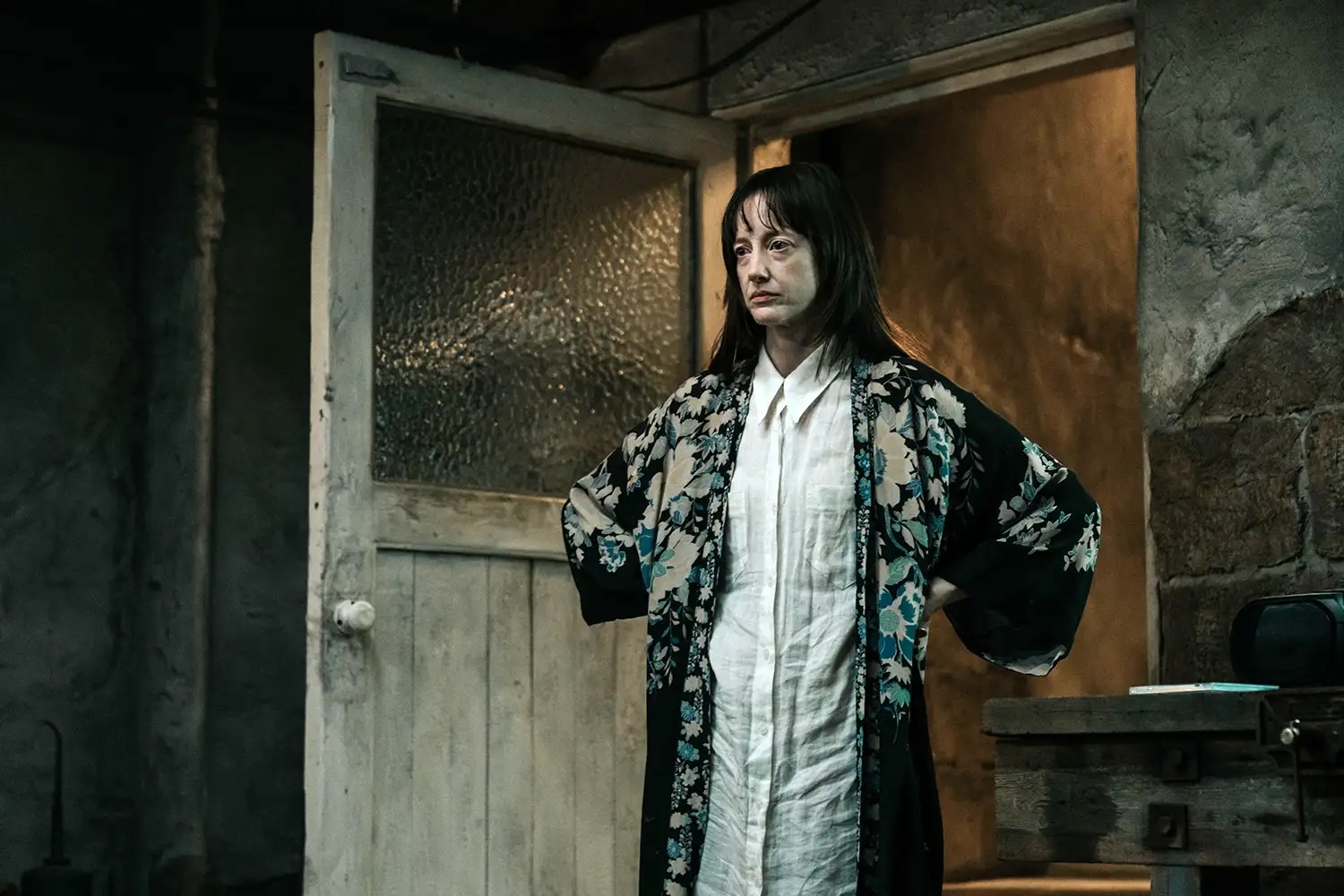
A quiet life on the surface, and an unsettling horror waiting beneath. On Netflix, this acclaimed thriller spotlights Andrea Riseborough, crossing every ethical line in a deadly game. The discovery made right after she locks the basement door that…
In the ordinary terraced bungalows of a quiet Yorkshire neighborhood, two women live side by side in almost perfect mirror images of isolation. One is elderly, proud, and increasingly dependent. The other is younger, fragile, and desperate for purpose. Their paths cross over something as simple as a grocery run. What begins as an act of neighborly kindness slowly curdles into something far darker—an entanglement of need, resentment, guilt, and moral compromise that ends in irreversible violence.
Dragonfly (2025), written and directed by Paul Andrew Williams, is not a conventional horror film. It is a slow-burn psychological study of loneliness in modern Britain, the failures of the care system, and the thin line between compassion and control. Andrea Riseborough delivers one of her most unsettling performances as Colleen, a woman living on the margins, surviving on benefits with only her large, protective dog for company. Brenda Blethyn is equally formidable as Elsie, the elderly widow next door whose son pays for intermittent carers who do the bare minimum before hurrying to the next appointment.
The film opens with the quiet routines of two lives that barely touch the outside world. Elsie moves carefully through her lace-curtained rooms, managing a recent fall and the quiet humiliation of being washed and fed by strangers who treat her as a task rather than a person. Colleen sits outside her identical bungalow, shoulders slumped, watching the comings and goings with a mixture of curiosity and judgment. When she knocks on Elsie’s door one day to ask if she needs anything from the shops, the gesture feels almost accidental. It is not. Colleen has been observing. She has decided that the official carers are not good enough.
What follows is a gradual, almost tender takeover. Colleen begins doing the shopping, the cleaning, the company. Elsie, starved for real human contact, accepts the help with a mixture of relief and wariness. The two women form an unlikely bond. There are moments of genuine warmth, of shared meals and quiet conversations that feel like the first real connection either has experienced in years. Riseborough plays Colleen with a childlike intensity—eager, slightly off-kilter, hungry for the role of caregiver in a way that suggests deeper wounds. Blethyn gives Elsie a stubborn dignity that never fully yields, even as her independence erodes.
Then the son arrives.
Jason Watkins plays John with exquisite passive aggression—the guilt-ridden, judgmental adult child who rarely visits but feels entitled to decide who is allowed near his mother. He dislikes Colleen on sight. He dislikes her dog. He questions her motives. His interference, rooted in class prejudice and his own absenteeism, becomes the catalyst that turns a fragile friendship into something far more dangerous. The film’s tension does not come from jump scares or supernatural threats. It comes from the slow realization that both women are capable of crossing lines they never intended to approach.
Williams has long specialized in stories about ordinary people pushed into extraordinary moral territory. Here he uses the confined spaces of the two bungalows like pressure cookers. The camera lingers on domestic details—the unwashed dishes, the dog’s muddy paw prints, the careful arrangement of family photographs that no longer receive visitors. The soundtrack remains sparse, letting the silence between the characters do most of the work. When violence finally erupts, it feels both shocking and inevitable, the logical endpoint of unmet needs and wounded pride.
The film’s most disturbing achievement is the way it refuses easy villains. Colleen’s desire to care is real. Elsie’s loneliness is real. John’s resentment is understandable even as it proves destructive. No one sets out to destroy anyone else. Yet by the time the final act arrives, ethical boundaries have been crossed so thoroughly that recovery is no longer possible. The “discovery” the film withholds until its closing stretch reframes everything that came before—every kind gesture, every quiet conversation, every locked door—in a colder, more clinical light.
Critics have described Dragonfly as a social-realist horror, a genre-defying drama that uses the tools of the thriller to examine Britain’s loneliness epidemic and the quiet failures of elder care. Riseborough and Blethyn’s joint performances have been widely praised, with some festivals awarding them collectively for the chemistry and emotional precision they bring to two women who should never have been left so alone. The film does not offer catharsis or redemption. It offers something rarer and more uncomfortable: the sense that the most dangerous people are sometimes the ones who believe they are helping.
Streaming on Netflix, Dragonfly runs a lean 98 minutes and wastes none of them. It asks uncomfortable questions about need, about control, and about how quickly compassion can curdle when the outside world refuses to fill the gaps. In an era of polished prestige thrillers, Williams has made something smaller, meaner, and more honest—a film that understands that the real horror often lives next door, behind a locked basement door, waiting for the moment when ordinary loneliness finally tips into something irreversible.
The surface remains quiet. The horror waits beneath. And once the door is locked, there is no going back.