UNFOUNDED CONSPIRACIES AND DIGITAL DISINFORMATION: DECONSTRUCTING THE VIRAL ATTACKS ON PATRICK CLANCY
Deconstructing the Clickbait Teaser
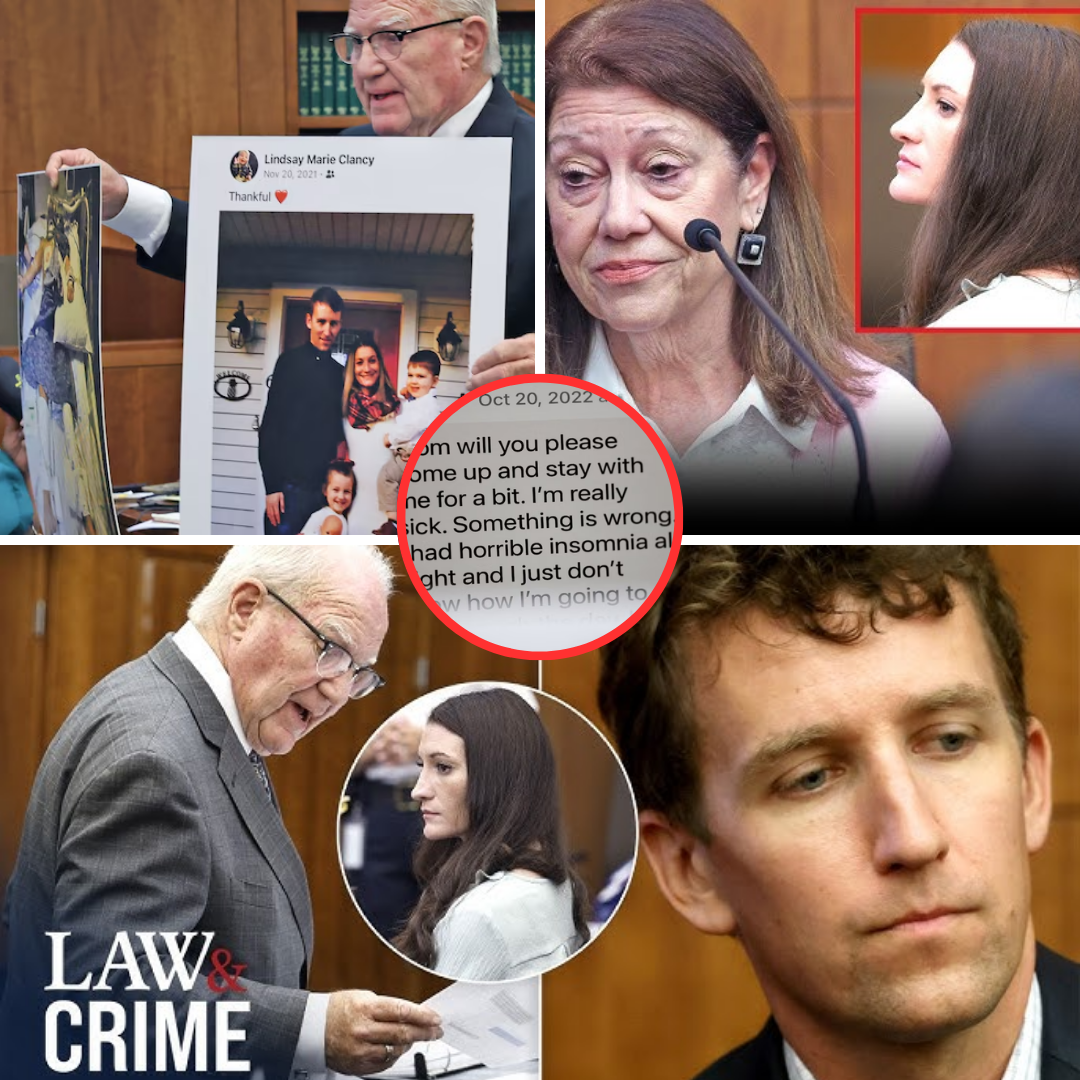
A sensational headline recently tore through true-crime forums and social media feeds, alleging that digital forensic analysts had exposed a “bombshell” in the Lindsay Clancy case: that emotional text messages sent to Lindsay’s mother were “completely fake”. Accompanied by siren emojis and conspiratorial phrasing, the post claimed that experts confirmed a calculated setup by her ex-husband, Patrick Clancy, utilizing spoofing software to engineer a bulletproof alibi while shifting suspicion entirely onto his wife. The caption teased leaked cloud logs revealing his true physical location at the moment the texts were sent, urging readers to click a link to read a “leaked digital report.”
While online content aggregators and social media “armchair detectives” routinely invent shocking plot twists to harvest clicks and monetize public fascination, this viral post is completely fabricated. At no point during the trial in Plymouth Superior Court, Massachusetts, did law enforcement, prosecutors, or defense attorneys present evidence suggesting Patrick Clancy spoofed text messages, fabricated digital logs, or had any physical involvement in the deaths of his three young children. Separating internet conspiracy theories from sworn courtroom testimony reveals how viral “forensic fandom” turns a tragic legal proceeding into a hotbed for harmful digital disinformation.
The Immutable Evidence: Surveillance, Timestamps, and Forensic Validation
The factual record established in court relies on a massive array of independently verified digital and physical evidence. On January 24, 2023, 5-year-old Cora, 3-year-old Dawson, and 8-month-old Callan Clancy were fatally strangled inside their family home in Duxbury, Massachusetts. Lindsay Clancy subsequently attempted suicide by jumping from a second-story window.
During the trial, state police cybercrime investigators and digital forensic experts presented an airtight, timestamped timeline of Patrick Clancy’s whereabouts during the 25-to-30-minute window when the killings occurred:
-
Independently Verified Alibi: Patrick’s departure from the residence was verified by home security logs, cellular tower data, and vehicle telematics.
-
Surveillance Footage: Store surveillance cameras at the local CVS pharmacy in Kingston and ThreeV restaurant in Plymouth captured Patrick in real-time, matching his exact phone activity and credit card transactions.
-
The 14-Second Call: While Patrick stood inside the CVS aisle choosing children’s medication requested by Lindsay, phone records confirm she returned a call from him, speaking briefly in a calm tone.
Digital forensic experts extracted raw data from Patrick’s devices, Apple Watch logs, and cloud storage. Prosecutors and defense attorneys alike agreed that Patrick was nowhere near the home when the acts were committed. The claim that he utilized “spoofing software” to stage text messages is a fiction created entirely by internet commentators.
The Rise of “Forensic Fandom”: How Algorithms Manufacture Outrage
The rapid spread of claims targeting Patrick Clancy highlights a growing phenomenon surrounding high-profile trials: the rise of “forensic fandom” and algorithmic amplification of conspiracy theories.
In the era of viral short-form video and true-crime podcasts, livestreamed trials are frequently transformed into interactive digital whodunits. Social media platforms rely on recommendation algorithms that prioritize user engagement over factual accuracy. Content creators quickly realize that sensationalized conspiracy videos—claiming a grieving father is the “real mastermind” or alleging secret phone spoofing—generate significantly higher views, comments, and ad revenue than straightforward journalistic updates.
In the Clancy case, amateur sleuths seized upon isolated data points, such as minor variations in body temperature readings or normal gaps in initial police interviews, using them to spin elaborate narrative devices. These videos often present baseless speculation as “leaked documents” or “insider reports,” deceiving casual viewers who cannot distinguish between sworn courtroom testimony and algorithmically pushed clickbait.
The True Legal Battle: Psychiatric Insanity vs. Premeditation
The fabrications surrounding Patrick Clancy obscure the actual, profoundly complex legal battle fought inside the courtroom. The core facts of the case were never in dispute: Lindsay Clancy admitted to strangling her three children. The sole legal question presented to the jury was whether she was criminally responsible under Massachusetts law or not guilty by reason of insanity.
The Defense Argument
Defense attorney Kevin Reddington argued that Lindsay was suffering from severe postpartum psychosis, undiagnosed bipolar illness, and acute command hallucinations brought on by a tumultuous cocktail of over a dozen prescribed psychiatric medications. The defense called perinatal mental health experts who testified that Lindsay believed a voice told her it was her “last chance” to save her children, rendering her incapable of understanding the wrongfulness of her acts.
The Prosecution Argument
Assistant District Attorneys argued that Lindsay acted with deliberate premeditation, pointing to her internet searches for restaurant distance times, suicide methods, and psychiatric side effects on the family computer. The state contended that Lindsay was an organized, controlling mother who planned the window of isolation, maintained composure during phone calls, and staged an attempted suicide to avoid accountability.
At no point did either party suggest Patrick Clancy was involved in planning or executing the crime. In fact, Lindsay’s defense team heavily relied on Patrick’s emotional testimony regarding his ex-wife’s rapid mental health decline leading up to the tragedy to support their insanity defense.
The Human Cost of Digital Disinformation
Beyond the legal technicalities, the viral attacks against Patrick Clancy underscore the real-world harm caused by digital clickbait. Patrick Clancy lost his three children in a matter of minutes and spent months testifying about the destruction of his family. To have his trauma repackaged by online content farms into a sensationalized murder mystery is a stark reminder of the ethical dark side of modern true-crime media.
Critical media literacy is essential when navigating high-profile legal coverage. Truth in the justice system is found through vetted digital extractions, sworn expert testimony, and judicial oversight—not through viral headlines promising leaked reports and manufactured secrets.
Lindsay Clancy’s Family Computer Had Disturbing Searches
This video features actual trial footage of cybercrime investigators detailing the digital extractions and internet search history retrieved from devices inside the Clancy home.