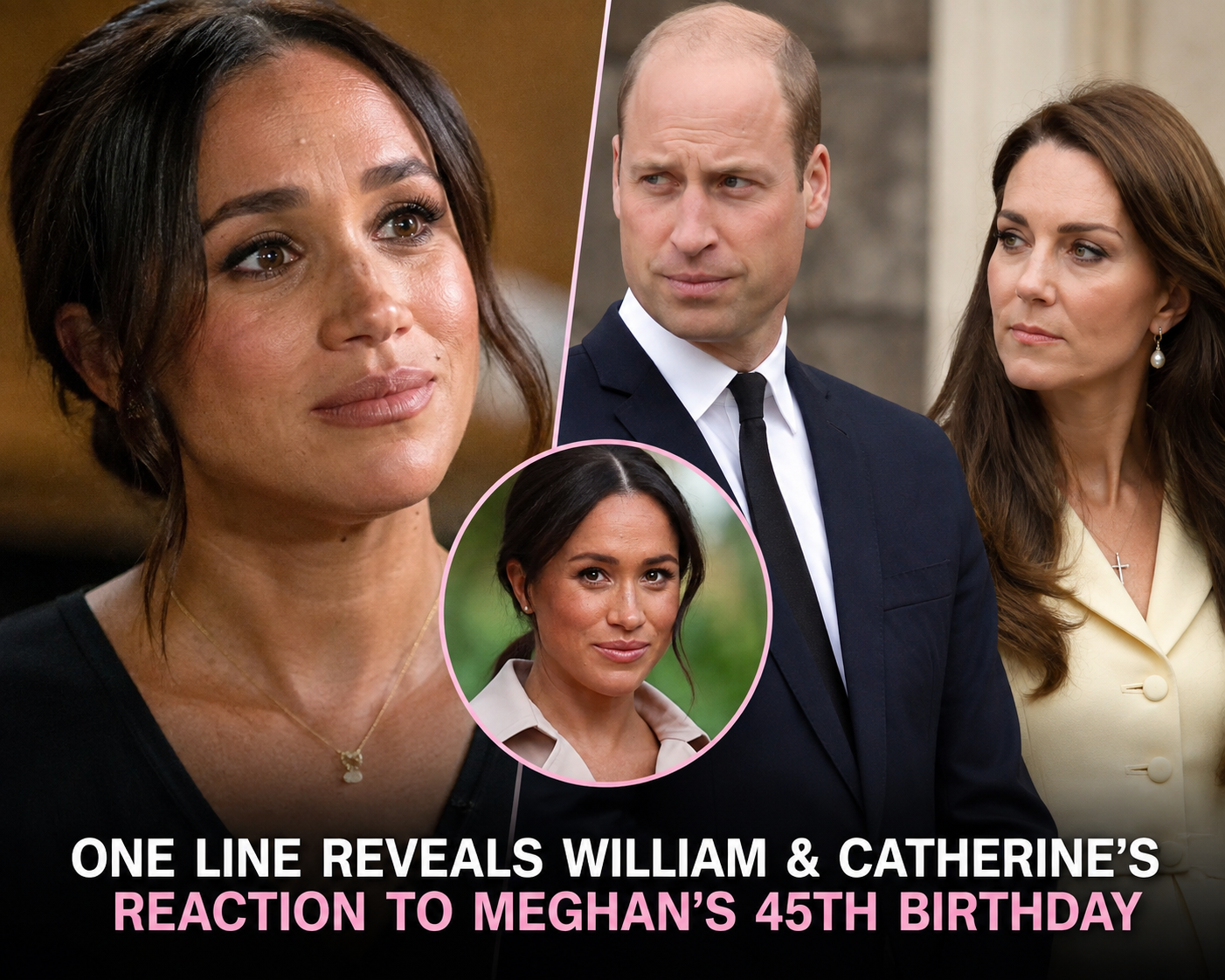
Anatomy of a Royal Tabloid Storm: Sensationalism, Media Dynamics, and the Prince William–Meghan Markle Narrative
Introduction: The Birth of a Tabloid Phenomenon
In the age of hyper-saturated digital media, few subjects command as much global intrigue, fierce debate, and revenue-generating power as the personal lives of the British Royal Family. Every glance, public appearance, sartorial choice, and official statement is parsed by millions of spectators worldwide. Within this relentless cycle of scrutiny, dramatic rumors regarding internal family conflicts regularly reach a fever pitch.
Among the most persistent narratives created by online content farms and tabloid outlets are those surrounding Prince William, the Prince of Wales, and Meghan Markle, the Duchess of Sussex. Headlines frequently tease shocking revelations—ranging from “alleged secret text messages” and “inappropriate relationships” to claims of “clash of ambitions” and “palace leaks.” These stories are meticulously designed to capture immediate attention, leveraging curiosity, emotional investment, and controversy.
Behind the viral headlines lies a complex intersection of celebrity culture, institutional public relations, media monetization, and global fascination. This comprehensive analysis deconstructs how scandalous tabloid narratives surrounding Prince William and Meghan Markle are constructed, why they resonate so deeply with audiences, and what they reveal about the modern digital media ecosystem.
Chapter 1: From “The Fab Four” to Tabloid Polarization
To understand how the current narrative landscape took shape, it is necessary to examine the evolution of public perception regarding Prince William and Meghan Markle over the past decade.
The Dawn of “The Fab Four” (2017–2018)
When Prince Harry announced his engagement to American actress Meghan Markle in late 2017, the global reaction was overwhelmingly positive. Alongside Prince William and Princess Catherine (then the Duke and Duchess of Cambridge), the quartet was enthusiastically dubbed “The Fab Four” by global press outlets.
Their joint appearance at the Royal Foundation Forum in February 2018 was widely celebrated as a turning point for the British Monarchy. Observers saw a modern, dynamic team capable of connecting with younger, more diverse generations across the Commonwealth and beyond.
Narrative Evolution of Royal Coverage:
├── 2017–2018: "The Fab Four" – Universal optimism & modernization hype.
├── 2019–2020: "The Royal Rift" – Reports of tensions, relocation, & Megxit.
├── 2021–2023: "Public Disclosures" – Interviews, memoirs, & media series.
└── 2024–Present: "Tabloid Sensationalism" – Clickbait stories & viral rumors.
The Rapid Narrative Shift
However, within two years, the media narrative underwent a total transformation. Reports of stylistic differences, operational clashes between royal households, and differing priorities between the brothers began to surface.
When Harry and Meghan officially stepped back from their roles as senior working royals in early 2020—a transition termed “Megxit”—the media environment fragmented into opposing camps. Tabloid journalism quickly recognized that conflict, betrayal, and interpersonal drama generated vastly higher engagement than stories of harmonious family cooperation.
Chapter 2: Deconstructing the “Leaked Messages” Narrative
One of the most frequently recycled tropes in tabloid storytelling involves allegations of “leaked private communications” or “secret text messages.” Headlines often claim that hidden text exchanges between Prince William and Meghan Markle have surfaced, suggesting either unexpected hostility or unverified personal intimacy.
How Tabloid Tropes are Manufactured
In modern digital publishing, these claims are rarely based on verified documents or official palace sources. Instead, they rely on a technique known as narrative extrapolation:
-
The Seed of Truth: A real event or statement occurs (e.g., a shared public event, a brief comment during an interview, or a standard palace briefing).
-
The Anonymous Source: Unnamed “insiders” or “royal experts” are cited as claiming to know the private thoughts or text message contents of high-profile figures.
-
Sensationalized Framing: Speculative theories are reframed as imminent scandals using charged language like “inappropriate,” “secret,” “leaked,” or “shocking disclosure.”
“The modern tabloid ecosystem thrives on creating cliffhangers around private messaging because texts are inherently intimate, personal, and impossible for the public to verify,” explains media analyst Dr. Sarah Jenkins. “It creates an instant sense of access without requiring actual evidence.”
Verified Reality vs. Speculative Drama
| Narrative Element | Sensationalized Tabloid Narrative | Verified Institutional Reality |
| Communication Channels | Secret, ambiguous, or illicit text messages leaked to press. | Formal palace protocols, official correspondence, and private family calls. |
| Prince William’s Stance | Driven by personal animosity or hidden intrigue toward Meghan. | Focused on institutional duty, constitutional succession, and immediate family. |
| Meghan Markle’s Intentions | Portrayed through tropes of extreme ambition or calculated leaks. | Focused on philanthropic ventures, media production, and commercial autonomy. |
| Source Material | Anonymous online blogs, unverified social media posts, clickbait hubs. | Official statements from Kensington Palace, Archewell, and credible broadsheets. |
Chapter 3: Media Framing of Meghan Markle: Ambition, Identity, and Scrutiny
Throughout her time in the global spotlight, Meghan Markle has been subjected to a level of press attention rarely matched in modern history. The media framing of her personality, motivations, and public role offers a compelling look at how female public figures are portrayed in high-profile institutions.
The Double-Edged Sword of Ambition
In traditional royal coverage, the concept of “ambition” is frequently presented through a dual lens:
-
When Framed Positively: Ambition is described as drive, leadership, social advocacy, and modern vision.
-
When Framed Negatively: Ambition is depicted as opportunistic, disruptive, self-serving, or calculated.
For Meghan—an established actress, college graduate, and lifestyle entrepreneur prior to marrying into the Royal Family—her professional drive was initially praised as a breath of fresh air. However, as tension grew between her team and traditional palace advisers, tabloid outlets increasingly reframed her articulate nature and business acumen as a threat to royal tradition.
Framework of Tabloid Archetypes:
├── The Heir (William): Duty, continuity, traditionalist, protective.
├── The Outsider (Meghan): Disruptive, ambitious, modernizing, vocal.
├── The Mediator (Catherine): Graceful, steady, institutional anchor.
└── The Rebel (Harry): Divided loyalty, seeking independence, outspoken.
By casting Meghan in the archetype of the “ambitious outsider,” tabloid narratives constructed a dramatic foil to Prince William’s role as the “steadfast traditionalist.” This archetypal division provided endless material for commentary, debates, and headline generation.
Chapter 4: Prince William and the Duty of the Heir
As first in line to the British throne, Prince William occupies a unique position within the global consciousness. His public image has been carefully cultivated over decades, grounded in service, stability, and constitutional continuity.
The Strategy of Dignified Silence
In the face of persistent media rumors, personal memoirs, and online clickbait, Prince William has largely adhered to the long-standing royal doctrine of non-retaliation. Rather than engaging with individual tabloid claims or unverified text rumors, Kensington Palace maintains a strategy focused on core national and global initiatives:
-
The Earthshot Prize: A landmark environmental initiative launched by Prince William to discover and scale solutions to climate change globally.
-
Homewards Project: A multi-year initiative aimed at demonstrating that homelessness can be ended safely and sustainably across the UK.
-
Mental Health Advocacy: Continued efforts to destigmatize mental health discussions among military veterans, emergency workers, and young people.
By maintaining absolute focus on official duties, Prince William reinforces the boundary between royal statecraft and personal media drama, ensuring that the institution remains distinct from temporary internet trends.
Chapter 5: The Economics of Royal Clickbait and Digital Algorithms
The proliferation of sensationalized articles claiming “secret affairs,” “leaked text messages,” or “palace crises” is fundamentally an economic story driven by the mechanics of modern digital publishing.
How Content Farms Monetize Controversy
Online platforms, search engines, and social media networks operate on algorithms optimized for user engagement. Content that triggers strong emotional reactions—such as shock, curiosity, indignation, or surprise—achieves far higher click-through rates (CTR) and shares than balanced factual reporting.
The Clickbait Funnel Architecture:
[ Sensationalized Headline ] ➔ High Emotional Trigger (Shock/Curiosity)
       │
       ▼
[ The Ellipsis Trap ] ➔ "Read more...", "10 minutes ago...", "Revealed..."
       │
       ▼
[ Page View & Ad Revenue ] ➔ User clicks, encounters multiple ad placements.
       │
       ▼
[ Vague/Recycled Content ] ➔ Article provides no real evidence, restarts cycle.
Key Clickbait Indicators to Recognize
Digital consumers can identify sensationalized royal coverage by watching for several common formatting and rhetorical patterns:
-
Dramatic Emoji Overuse: Headlines featuring 🚨, 💔, 💥, or 👑 to simulate a breaking news crisis.
-
Artificial Urgency Phrases: Opening lines such as “Just ten minutes ago,” “A single line revealed everything,” or “Minutes after the speech.”
-
The Ellipsis Teaser: Leaving key details incomplete at the end of a sentence (
...) to force the reader to open the link or search the comments. -
Anonymized Authority: Attributing dramatic statements to “sources close to the situation,” “insiders,” or “royal observers” without providing specific context or confirmation.
Chapter 6: Institutional Public Relations in the Digital Age
The challenge facing the modern British Monarchy is unprecedented. In previous eras, royal public relations teams managed a small group of accredited newspaper editors and television broadcasters through established press pools. Today, information—and misinformation—spreads globally across millions of independent accounts within seconds.
Managing Privacy in a Transparent World
Both Kensington Palace (representing Prince William and Princess Catherine) and the Duke and Duchess of Sussex’s team at Archewell face the constant task of managing their public image while protecting personal privacy.
-
Legal Protections: High-profile royals have increasingly turned to legal remedies to address unauthorized paparazzi photography, copyright infringement, and defamatory claims.
-
Direct-to-Consumer Media: By utilizing official Instagram accounts, YouTube channels, personal websites, and produced documentaries, public figures bypass traditional tabloid filters to speak directly to their audience.
This shift allows public figures to control their own storytelling, reducing the impact of unverified rumors circulated by third-party tabloids.
Chapter 7: Separation of Fact from Fiction
When evaluating sensational stories regarding Prince William, Meghan Markle, and the broader Royal Family, maintaining critical media literacy is essential.
Analyzing Common Claims vs. Verified Facts
-
Claim: “Unfiltered private text messages between William and Meghan have been published.”
-
Fact Check: No private text communications between Prince William and Meghan Markle have been verified or released by either household. Claims of “leaked text exchanges” stem entirely from speculative social media posts and tabloid clickbait.
-
-
Claim: “Prince William personally blocked Meghan from all family events.”
-
Fact Check: Event attendance, official invitations, and seating arrangements at state occasions (such as state funerals, jubilees, and coronations) are managed by the Royal Household’s protocol officers in consultation with the Monarch, not decided individually by family members.
-
-
Claim: “Meghan Markle’s ambition caused the downfall of the monarchy’s digital team.”
-
Fact Check: The modernization and restructuring of royal social media strategies were planned institutional updates aimed at streamlining communications and clarifying the distinction between working royals and non-working family members.
-
Conclusion: Understanding the Endless Appeal of Royal Drama
The enduring fascination with narratives involving Prince William, Meghan Markle, and the British Royal Family is a testament to the power of modern storytelling. For centuries, royal families have served as a public canvas upon which society projects its values, anxieties, debates over tradition versus modernity, and fascination with family dynamics.
Sensationalized headlines claiming “secret text messages,” “forbidden relationships,” or “hidden motives” will undoubtedly continue to circulate as long as digital advertising models reward click-driven engagement. However, recognizing the mechanics behind these stories enables readers to distinguish between manufactured drama and real-world facts.
Beyond the headlines, the reality remains clear: Prince William continues his work as heir to the throne, focused on national service and environmental leadership, while Meghan Markle and Prince Harry pursue their independent philanthropic and media endeavors in California. Understanding the difference between online sensation and authentic reality allows us to appreciate the human reality behind the global headlines.