SHOCKING TWIST: The Case That Should’ve Ended – But Took a Darker Turn
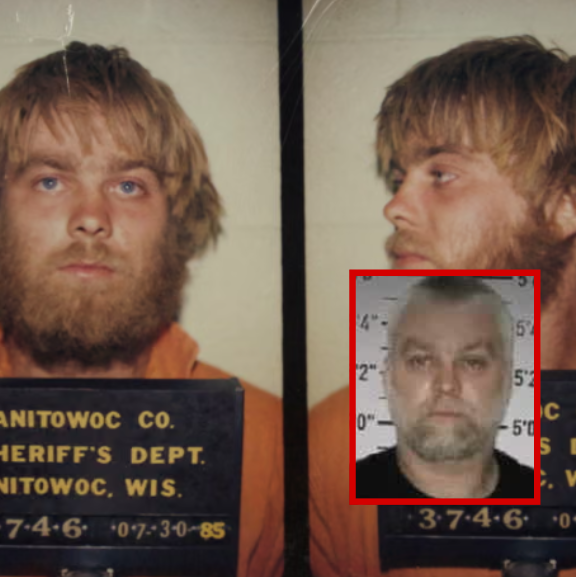
When Making a Murderer dropped on Netflix, it didn’t just invite viewers to watch; it invited them to investigate. The story of Steven Avery—a man exonerated by DNA evidence after 18 years in prison, only to be arrested for a new murder two years later—played out with the narrative complexity of a Dickensian novel and the pacing of a Hollywood thriller.
But unlike CSI or Law & Order, the stakes weren’t settled in 60 minutes. This was real life, and the “villains” weren’t actors in makeup—they were elected officials, sheriffs, and prosecutors. As The Guardian noted during the show’s peak, the series succeeded because it utilized the tropes of prestige TV drama to expose the systemic flaws of the American legal system.
Part I: The Slow Burn – Narrative Pacing as a Weapon
Traditional TV dramas often rely on “the twist”—a shocking revelation at the end of an episode to keep you coming back next week. Making a Murderer creators Laura Ricciardi and Moira Demos spent ten years filming the Avery case, and that decade of dedication translated into a “slow-burn” intensity that scripted shows struggle to replicate.
1. The Power of the Archive The series utilized hundreds of hours of depositions, recorded phone calls, and news footage. By the time viewers reached the trial of Brendan Dassey (Avery’s nephew), they weren’t just watching a show; they felt they had “lived” through the years of litigation.
2. The Cliffhanger Reality Because the filmmakers followed the case in real-time, the natural “beats” of the legal process—the discovery of a bloodstain, the finding of a key, the sudden confession—acted as organic cliffhangers. The audience felt the same whiplash as the defense attorneys, Dean Strang and Jerry Buting.
Part II: The Hero-Villain Archetype
One of the most fascinating aspects of the series was its “casting.” In a scripted drama, you have a protagonist you root for. In Making a Murderer, the audience was presented with complex, deeply flawed individuals who filled traditional dramatic roles:
-
The Unlikely Protagonists: Strang and Buting, the defense lawyers, became overnight internet sensations. They represented the “intellectual heroes” fighting against a Goliath-like system.
-
The Antagonist: Prosecutor Ken Kratz was framed by the narrative (and his own actions) as the quintessential villain. His confidence and high-pitched delivery became the focal point of viewer vitriol.
-
The Tragic Figure: Brendan Dassey, a teenager with learning difficulties, provided the emotional heart of the series. His interrogation scenes are widely cited as the most difficult—and compelling—television of the decade.
Part III: The “Reddit-fication” of Television
Making a Murderer didn’t end when the credits rolled on Episode 10. It birthed a new type of viewer: The Armchair Detective.
The show leveraged the internet’s obsession with crowdsourcing information. Within weeks of its release:
-
Subreddits were dedicated to analyzing every frame of the evidence.
-
Petitions to the White House for Avery’s pardon garnered hundreds of thousands of signatures.
-
The “fandom” began digging into court records that hadn’t even been featured in the documentary.
This level of engagement is the holy grail for TV producers. While a drama like Breaking Bad creates conversation about “what will happen,” Making a Murderer created a conversation about “what is right.”
Part IV: The Ethics of the Edit
Critically, The Guardian and other outlets pointed out that while the show was “beating drama at its own game,” it was also using drama’s tools—sometimes at the expense of total objectivity.
The filmmakers were accused of omitting key pieces of evidence that pointed toward Avery’s guilt to make the “wrongful conviction” narrative more palatable. This sparked a massive debate about the ethics of true-crime documentaries. If a documentary uses the techniques of a thriller (dramatic music, selective editing, character arcs), does it lose its status as journalism?
Regardless of the answer, the drama of the presentation is what made it a global phenomenon.
Part V: The Legacy – The “Netflix Effect”
In 2026, we see the fingerprints of Making a Murderer everywhere. From The Staircase to Tiger King, the “prestige true crime” genre is now a staple of every streaming service.
It proved that:
-
Audiences have an immense appetite for long-form, complex legal procedurals.
-
“Niche” stories about small-town American injustice can have global resonance.
-
The line between “entertainment” and “activism” is thinner than ever before.
Conclusion: Why it Still Matters
Making a Murderer remains the definitive example of how reality can be more gripping than fiction. By adopting the structure of a high-end TV drama, it forced the world to look at a trailer park in Manitowoc County, Wisconsin, and see a mirror of the entire justice system.
It wasn’t just a show; it was a cultural event that proved that sometimes, the most terrifying monsters aren’t the ones under the bed—they’re the ones carrying badges and signing warrants.